
Trans-Pacific container rates top $7,900 as demand eclipses supply fears
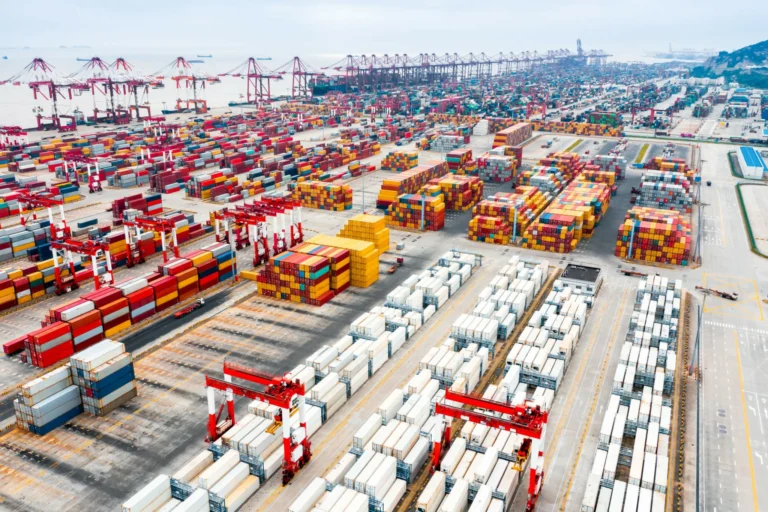
Shippers moving cargo from Asian factories to U.S. consumers now face spot container rates above $7,900, a level that directly lifts landed costs for importers and signals sustained pressure on trans-Pacific supply chains. The latest assessments show ocean freight prices on the Asia-U.S. route have broken through the $7,900 mark, driven by a surge in peak-season demand rather than the geopolitical risks that previously roiled energy markets.
Demand momentum outweighs oil dynamics
Unlike earlier in the year when attacks in the Red Sea and tensions near the Strait of Hormuz sent oil prices higher and threatened fuel costs for ships, the current rate climb is powered by solid consumer orders. The Strait of Hormuz, a chokepoint for crude tankers, is no longer the primary narrative. Instead, retailers in the United States are stocking up for the holiday season, and factory output in Asia is robust. Bunker fuel costs, which often influence freight rates, have remained relatively stable, underscoring that the increase is demand-led.
A closer look at the rate milestone
The spot rate for a 40-foot container from Shanghai to Los Angeles or Long Beach has reached $7,900, according to market tracking services. This is up sharply from earlier in the second quarter. The Shanghai Containerized Freight Index, a widely referenced benchmark, has recorded consecutive weekly gains. While not an all-time high—rates during the pandemic exceeded $20,000—the current level is several multiples above the historical average.
Operational implications for importers
Inventory planners face longer lead times and higher freight budgets. The peak season traditionally runs from July through October, and many importers frontloaded shipments to avoid potential disruptions, contributing to the tight capacity. Carriers have added extra loader vessels, but space remains scarce. The rate surge is impacting all major trade lanes, including those covered by Matson shipping rates from China to USA, as capacity tightens across the Pacific. Retailers and manufacturers are assessing whether to pass costs to consumers or absorb the hit to margins.
Shifting geopolitical risk sentiment
Earlier in the year, worries centered on the Strait of Hormuz and the possibility of crude oil price spikes that would inflate vessel operating costs. However, oil prices have moderated, and shipowners’ bunker expenses have not been the catalyst for the latest rate jumps. The market pivot reflects a recognition that consumer demand is the stronger force in container shipping.
What comes next
Analysts expect the rate surge to persist as long as U.S. import volumes remain elevated. A post-peak retreat is typical, but if demand holds, rates could stay high into the fourth quarter. The situation also has implications for contract negotiations, as beneficial cargo owners (BCOs) look to lock in annual rates.
The trans-Pacific container spot rate surpassing $7,900 is a clear signal that peak-season restocking is steering freight costs, not the crude oil markets or chokepoint tensions.
Key Figures
This story reports a measured change such as $7,900. Figures like this show direction and scale, so it helps to keep them separate from the surrounding commentary.
- Spot container rate: $7,900 Asia-US ocean container spot rate surpassed this threshold, driven by peak-season demand.
Why This Matters
The rate jump highlights how freight markets are now reacting more acutely to consumer spending patterns than to traditional energy price shocks. Elevated shipping costs compress importer margins and can contribute to downstream inflation if sustained, making it a critical watchpoint for retailers and manufacturers.
FAQ
What has pushed Asia-US container rates past $7,900?
Strong peak-season demand from U.S. retailers stocking up for holiday sales, rather than oil price increases or geopolitical tensions, is driving the rate surge. The Strait of Hormuz, a key oil transit point, is no longer the dominant factor.
Which trade lane does the $7,900 rate apply to?
The rate typically refers to the spot price for a 40-foot container moving from major Asian ports such as Shanghai or Ningbo to U.S. West Coast destinations like Los Angeles or Long Beach. Rates to the East Coast are higher.
Is $7,900 an all-time high for trans-Pacific container rates?
No, during the pandemic-era supply chain crunch, rates spiked above $20,000 per container. However, $7,900 is well above the historical norm of around $1,500–$2,000 and represents a sharp increase from earlier this year.
How might this rate increase affect consumer prices in the U.S.?
Importers face higher landed costs, which can lead to price hikes on consumer goods if companies pass the expenses along. The Federal Reserve and economists monitor such cost pressures as potential inflationary signals.
Sources
- Strait of Hormuz (eia.gov)
- Shanghai Containerized Freight Index (en.sse.net.cn)
Source: news – FreightWaves