
Shanghai Futures Rally: Energy and Container Shipping Indices Surge at Open
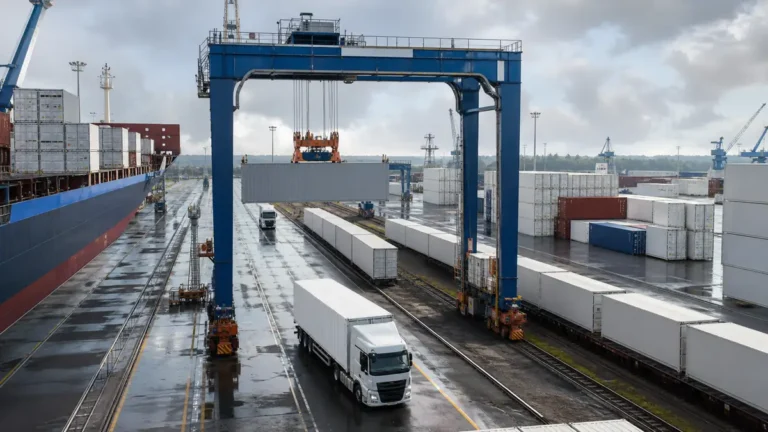
The opening bell on the Shanghai International Energy Exchange (INE) on Thursday, July 23, 2026, saw a broad rally in commodity futures, with benchmark energy and shipping contracts posting sharp gains. At precisely 09:00:02, continuous trading kicked off with Shanghai crude oil futures leaping 3.40 percent, fuel oil climbing 2.09 percent, and the container shipping index European line futures advancing 2.03 percent.
The simultaneous uptick across energy and freight derivatives points to a risk-on sentiment driven by tightening physical markets and renewed demand expectations. While crude oil and fuel oil often move in tandem with geopolitical and supply fundamentals, the strength in container shipping futures specifically highlights ongoing capacity constraints and robust export volumes from Asia to Europe.
Futures Open with Broad-Based Momentum
Continuous trading sessions on the Shanghai International Energy Exchange and the Shanghai Shipping Exchange began sharply higher. The 3.40 percent rise in Shanghai crude oil—China’s actively traded medium sour crude benchmark—extended a recovery from the previous week, as traders priced in seasonal demand strength and lingering OPEC+ supply discipline. Fuel oil, widely used in shipping and power generation, mirrored the move with a 2.09 percent gain, reflecting higher bunkering costs and limited inventories in East Asia.

The container shipping index European line futures, a derivative product tracking spot freight rates from Shanghai to major European container ports, added 2.03 percent. This contract, settled against the Shanghai Containerized Freight Index (SCFI) European service route, has been on an upward trajectory since early May 2026, underpinned by a shortage of available capacity and port congestion at key European gateways.
Container Shipping Market Context
The container shipping segment has experienced a volatile 2026, with rates spiking in response to vessel diversions around the Cape of Good Hope, periodic labor disruptions, and front-loading of shipments ahead of potential tariff changes. The European lane, which handles a significant share of China’s finished goods exports, has seen particular pressure. Spot rates from Shanghai to Rotterdam, for instance, reportedly surpassed $4,500 per forty-foot equivalent unit (FEU) in early July, nearly double the five-year average for this time of year.
Futures traders on the Shanghai Shipping Exchange use the contracts to hedge against rate fluctuations or to speculate on future freight levels. The 2.03 percent opening surge on July 23 suggests market participants anticipate further rate increases, possibly due to peak season demand and tight vessel supply. Importers in Europe may face higher logistics costs as a result, which could feed into broader inflationary pressures. The rally in container shipping derivative markets adds to the strain on shipping lines and beneficial cargo owners alike, as the cost of securing capacity remains unusually high.
Energy and Shipping Linkages
The concurrent rise in crude oil and fuel oil futures further amplifies cost pressures for the shipping from China sector. Bunker fuel constitutes a major operational expense for container lines; higher fuel oil prices directly increase voyage costs, providing an additional layer of support for elevated freight rates. Moreover, as Shanghai crude oil futures influence the pricing of marine fuels in Asia, the 3.40 percent jump signals potential margin squeezes for carriers unless they can pass through the incremental costs via surcharges or higher base rates.
Analysts note that when energy and shipping futures rally simultaneously, it often indicates a broad-based tightening of the physical goods supply chain. The market appears to be pricing in sustained demand for both raw materials and manufactured goods, a scenario that has historically correlated with expanding global trade volumes. Freight forwarders and logistics providers in China have reported operating at full capacity to manage the surge in bookings, underscoring the real-world impact of these financial market moves.
Contract Specifications and Key Data
The Shanghai crude oil contract is traded in lots of 1,000 barrels, priced in yuan per barrel, with physical delivery at designated storage facilities in China. Fuel oil futures are sized at 10 metric tons per lot, while the container shipping index European line futures are cash-settled based on SCFI spot rates published every Friday. The continuous contract structure allows traders to roll positions seamlessly as expiration approaches, contributing to the robust liquidity observed during the opening session.
The table below summarizes the key movements from the July 23 open.
| Contract | Change (%) | Type | Trading Venue |
|---|---|---|---|
| Shanghai Crude Oil | +3.40 | Continuous | Shanghai International Energy Exchange |
| Fuel Oil | +2.09 | Continuous | Shanghai International Energy Exchange |
| Container Shipping Index European Line | +2.03 | Continuous | Shanghai Shipping Exchange |
Market Outlook
With the peak shipping season underway and crude oil benchmarks pushing higher, both energy and freight derivative markets are poised for further volatility. The ocean freight from China market, in particular, will likely see continued upward pressure in the near term, barring a sudden resolution to logistical bottlenecks or a demand slowdown in Europe. The next significant checkpoint will be the weekly SCFI spot rate release on July 24, which will provide concrete price signals for physical container shipments out of Shanghai.
Additionally, traders will closely monitor the U.S. dollar exchange rate and any policy announcements from major central banks, as they can influence commodity and freight demand. For now, the Shanghai open on July 23 underscores the interconnectedness of energy and shipping markets and the bullish sentiment prevailing in both sectors.
Key Figures
This story includes concrete figures such as 3.40%, 2.09% and 2.03%. The points below pull out the key numbers so the reporting is easier to scan and verify.
- Crude oil futures increase: 3.40% Shanghai crude oil rose continuously at the open on July 23, 2026.
- Fuel oil futures increase: 2.09% Fuel oil rose continuously at the open.
- Container shipping futures increase: 2.03% European line container shipping index futures rose at the open.
- Trading session date: 2026-07-23 Futures opened at 09:00:02 on July 23, 2026.
Why This Matters
The simultaneous surge in energy and container shipping futures highlights tightening global supply chains, where higher fuel costs and freight rates are reinforcing each other. For importers and exporters, the combined effect could accelerate logistics inflation and squeeze margins, while signaling robust demand for crude and containerized goods during the peak season.
FAQ
What specific contracts saw gains on July 23, 2026?
Shanghai crude oil futures rose 3.40%, fuel oil futures increased 2.09%, and the container shipping index European line futures advanced 2.03% at the open on the Shanghai International Energy Exchange and Shanghai Shipping Exchange.
Why did container shipping futures rise?
The container shipping index European line futures climbed due to tight vessel supply, port congestion in Europe, and strong seasonal demand for exports from China, pushing spot freight rates higher.
How do energy prices affect container shipping costs?
Bunker fuel, derived from crude oil, is a major expense for container ships. Rising crude and fuel oil prices increase voyage costs, which carriers often pass on through higher freight rates or surcharges.
What is the next key indicator for the container shipping market?
The weekly Shanghai Containerized Freight Index (SCFI) spot rate release on July 24 will offer the most recent pricing for physical container shipments from Shanghai to Europe, influencing futures and market sentiment.
Sources
- Shanghai International Energy Exchange (ine.cn)
- Shanghai Shipping Exchange (sse.net.cn)
Source: Bluesky @babygoldie.bsky.social