
India rice freights steady as port delays prompt August hike plans
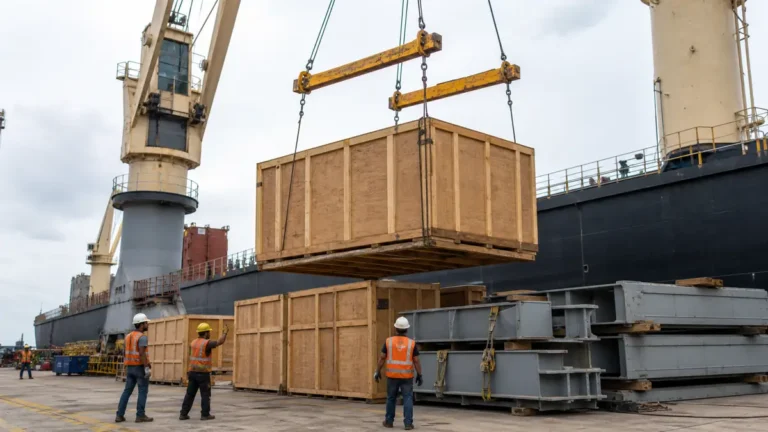
Freight rates for rice shipments out of India held steady last week, with port congestion at several key gateways absorbing capacity and keeping a floor under pricing. Carriers, however, are already signaling their intention to lift rates when contract terms roll over into August 2026.
Port delays keep rates from falling
Congestion at major Indian ports, including Nhava Sheva, Mundra and Kakinada, has led to vessel waiting times and reduced turnaround efficiency. This sustained operational pressure has prevented freight rates from declining, even as global demand patterns remain mixed. A market source noted that available shipping slots are tighter than usual, with some carriers absorbing demurrage and delay-related costs rather than passing them on immediately to shippers.

For both break-bulk and containerised rice cargoes, the week-on-week stability follows several months of fluctuating rates tied to export policy changes and monsoon disruptions. Exporters report that current rates to the Middle East and Africa—two of India’s largest rice markets—are holding at levels seen in the last pricing cycle.
Carriers prepare August rate increases
Despite the near-term steadiness, shipping lines have begun circulating fresh rate advisories for August, banking on peak export demand and the monsoon season’s impact on inland logistics. Industry participants say the congestion is unlikely to ease quickly, and many carriers are positioning themselves for a rate push as contract renewals approach. Shippers are being urged to finalise bookings early to lock in current levels.
- Container freight rates for rice to key Middle Eastern destinations remain elevated compared to pre-2025 averages.
- Vessel bunching at Nhava Sheva and Mundra has extended average waiting times by several days.
- Monsoon-related logistics bottlenecks are expected to compound port-side delays in the coming weeks.
- Market participants report firmer rate indications for August contracts, though specific percentages vary by route.
Industry context and global trade implications
India is the world’s largest rice exporter, shipping over 20 million tonnes annually to more than 150 countries. Any sustained increase in freight costs directly influences the landed price of rice in importing nations, many of which are price-sensitive markets in Africa and the Middle East. The interplay between port efficiency and freight pricing is therefore closely tracked by traders, governments and food security analysts.
Data from platforms like BigMint shows that India’s rice freight outlays have become increasingly sensitive to infrastructure bottlenecks at its west-coast ports. While investments in capacity expansion are underway at several terminals, the immediate outlook points to continued cost pressures through the third quarter of 2026.
| Aspect | Current Status | Near-Term Outlook |
|---|---|---|
| Freight rates | Steady week-on-week | Expected to rise in August |
| Primary cause | Port congestion | Congestion likely to persist |
| Key ports affected | Nhava Sheva, Mundra, Kakinada | Operators aim to clear backlogs |
| Carrier action | Holding current rates | Issuing August rate hike advisories |
| Global impact | Stable rice export prices | Potential upward pressure on global rice costs |
With August just weeks away, both export volumes and freight cost trends will be under intense scrutiny. Even modest rate increases on India’s rice outbound trade can reshape procurement decisions in importing countries, reinforcing the vulnerability of global food supply chains to logistics disruptions.
Key Figures
This story includes concrete figures such as August 2026. The points below pull out the key numbers so the reporting is easier to scan and verify.
- Planned hike target: August 2026 Carriers are targeting rate increases when contracts roll over next month.
Why This Matters
India dominates global rice trade, and even a modest change in shipping costs can ripple through food supply chains. With carriers preparing to raise rates in August, importing nations may soon face higher landed costs, potentially stoking food inflation in vulnerable markets.
FAQ
Why are rice export freight rates from India remaining steady right now?
Despite port congestion, a balance between vessel supply and demand—along with carriers absorbing congestion costs—has kept week-on-week rates unchanged. The congestion is currently preventing the usual seasonal softening.
What is causing the port congestion at Indian ports?
A combination of increased cargo volumes, weather-related disruptions, and operational backlogs at major container and bulk ports like Nhava Sheva and Mundra has led to vessel waiting times and reduced turnaround efficiency.
When are carriers planning to increase freight rates?
Carriers are eyeing rate hikes from August 2026, when new contract cycles begin and peak export demand is expected to coincide with the monsoon season.
How might this affect global rice prices?
India is the world’s top rice exporter, so higher freight costs directly raise landed prices for importers. This could fuel food inflation, especially in price-sensitive markets across Africa and the Middle East.
Sources
- Nhava Sheva (jnport.gov.in)
- Mundra (adaniports.com)
- BigMint (bigmint.co)
Source: BigMint