
Fuel Cost Pressures to Outlast Iran Peace Deal, Maersk Cautions
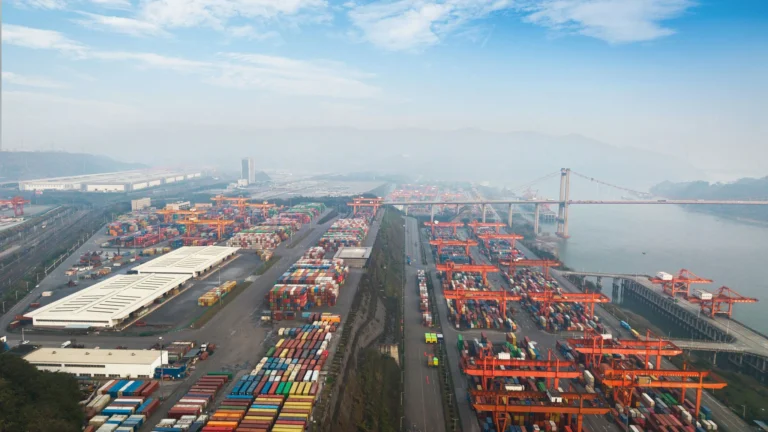
The global shipping leader Maersk has issued a stark warning that the energy crunch battering freight markets will not ease even if a peace agreement is reached with Iran. The company’s outlook, shared amid ongoing geopolitical turbulence, signals that elevated fuel costs will remain a structural challenge for the logistics sector well beyond any temporary diplomatic breakthrough. This assessment casts a shadow over the trajectory of freight rates, which have already shown volatility in the current quarter.
Freight Rates Face Early-Quarter Dip and Rebound
Early in the quarter, freight rates experienced a noticeable decline, offering some respite to shippers grappling with high transportation costs. That downward trend, however, proved short-lived. Recent weeks have seen rates climb once more, reflecting persistent underlying pressures in the global logistics market.

Analysts point to the unpredictable nature of fuel prices as a primary driver of this fluctuation. While demand patterns and capacity adjustments play a role, the cost of bunker fuel—directly tied to broader energy markets—remains the single largest swing factor for ocean carriers. Maersk’s update underscores that the market cannot rely on geopolitical de-escalation alone to stabilize these costs.
Energy Crunch Transcends Geopolitical Shifts
Maersk’s message is unequivocal: the current energy squeeze stems from deep-rooted structural issues that go far beyond the Iran situation. Years of underinvestment in oil and gas exploration, combined with capacity constraints in refining and distribution, have created a tight energy supply landscape. A peace deal with Iran might ease some speculative pressure on crude prices, but it would not immediately resolve the fundamental imbalances.
The shipping giant notes that even if Iranian barrels return to the global market, the lead time for significant output increases and the ongoing disruptions in other energy-producing regions mean fuel costs will stay elevated. Carriers have already baked this reality into their long-term planning, with fuel surcharge mechanisms becoming more responsive to spot price movements.
Wider Supply Chain Implications
Persistent high energy costs are filtering through the entire supply chain. Beyond the direct hit to carrier operating expenses, shippers face increased total landed costs, which can erode margins or force price increases for end consumers. The uncertainty also complicates procurement decisions, with some businesses opting for shorter-term contracts to retain flexibility.
Maersk’s warning comes at a time when global trade is already navigating a complex array of challenges, from port congestion to shifting trade policies. The energy factor adds another layer of unpredictability, making it harder for logistics managers to forecast budgets and plan inventory strategies effectively.
Long-Term Strategies for Shippers
In light of these sustained cost pressures, shippers are being urged to reassess their logistics networks. Diversifying sourcing locations, investing in fuel-efficient routing, and locking in contract rates where possible are among the strategies being considered. Some are also accelerating a shift toward multimodal options that can offer more cost certainty.
While the industry has weathered energy spikes before, the current cycle appears more entrenched. Maersk’s outlook suggests that businesses should prepare for a prolonged period of elevated freight expenses, rather than treating this as a temporary disruption. Keeping a close watch on fuel price trends and maintaining open communication with carriers will be crucial in navigating the months ahead.
| Aspect | Details |
|---|---|
| Primary warning | Energy crunch persists even if Iran peace deal is reached |
| Rate trend in quarter | Fell early then rose |
| Core driver | Structural energy supply issues, not just geopolitics |
| Impact on freight rates | Elevated and volatile fuel costs keep rates high |
| Industry response | Shippers reviewing contracts, exploring multimodal options |
Why This Matters
Maersk’s warning highlights a critical shift in the freight industry’s cost structure. Even with potential diplomatic breakthroughs, the underlying energy deficit will keep shipping expenses elevated, forcing shippers to rethink budgets and logistics strategies. This signals that high freight rates may become a long-term norm, reshaping global trade dynamics and supply chain planning.
FAQ
What is Maersk’s warning about energy costs?
Maersk, one of the world’s largest shipping companies, warns that the energy crunch will continue even if a peace deal is reached with Iran. This means fuel costs for ocean carriers will stay elevated, directly impacting freight rates and overall logistics expenses for shippers.
Why would an Iran peace deal not lower fuel prices quickly?
Maersk points out that the energy squeeze is driven by structural problems like years of underinvestment in oil infrastructure and high global demand, not just geopolitical tensions. A deal might offer only modest, short-term relief, leaving long-term fuel costs high.
How have freight rates been moving recently?
According to Maersk, freight rates dipped early in the quarter but then rose again. This volatility reflects the ongoing uncertainty in energy markets and demonstrates how sensitive shipping costs are to fuel price swings.
What does this mean for businesses that rely on shipping?
Persistent high fuel costs are likely to keep freight expenses elevated for the foreseeable future. Companies may need to adjust procurement strategies, consider longer-term contracts, or explore alternative transportation modes to manage budgets effectively.
Sources
- Maersk (maersk.com)
Source: Bluesky @eu-dk.bsky.social