
Russian Missile Strikes Compel Maersk to Suspend Chornomorsk Calls
The Numbers That Matter
This story carries monetary or market figures such as 20 million and 2022. They are the kind of detail worth noting up front, then confirming against the original report for exact amounts and scope.
- Market value: 20 million Before the war, it handled over 20 million tonnes of cargo annually, with regular feeder connections to larger Mediterranean transshipment hubs like Piraeus and Gioia Tauro.
- Date / period: 2022 The port’s container terminal, operated by private stevedores, provided a critical interface for shippers reliant on Black Sea routes to reach markets in Asia, the Middle East, and Europe.The latest attacks underscore…
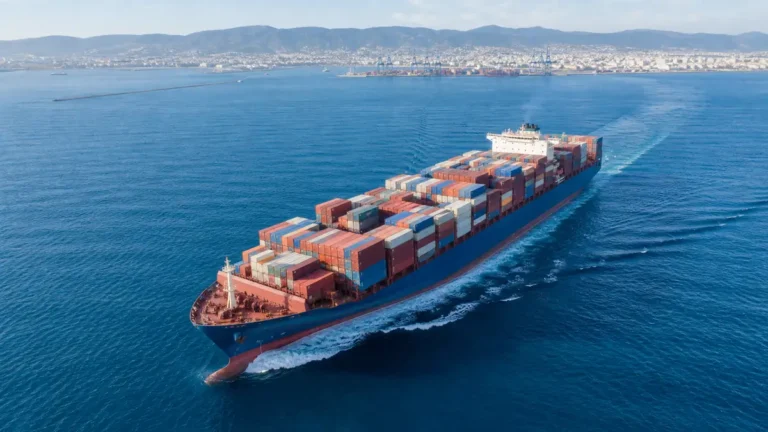
Maersk, one of the world’s largest container shipping lines, has temporarily halted vessel operations at the Ukrainian port of Chornomorsk following Russian missile attacks in the vicinity. The decision interrupts a vital maritime link for containerised cargo moving in and out of Ukraine, a country whose Black Sea ports have been under persistent threat since the full-scale invasion began.
Company representatives confirmed the suspension in a brief advisory, citing immediate safety risks to crew, vessels, and cargo. No timeline for resumption was given, and customers with shipments booked to or from Chornomorsk were urged to seek alternative routing through nearby hubs.
Market Context: Black Sea Trade Under Pressure
Chornomorsk, located southwest of Odesa, has historically been a key gateway for Ukrainian agricultural exports, metals, and containerised consumer goods. Before the war, it handled over 20 million tonnes of cargo annually, with regular feeder connections to larger Mediterranean transshipment hubs like Piraeus and Gioia Tauro. The port’s container terminal, operated by private stevedores, provided a critical interface for shippers reliant on Black Sea routes to reach markets in Asia, the Middle East, and Europe.

The latest attacks underscore the fragile operating environment that has plagued regional logistics since 2022. Major container carriers, including Maersk, have repeatedly adjusted their port coverage due to safety concerns, shifting calls to Constanța in Romania or relying on land corridors to move boxes to and from Ukrainian inland points. Insurance premiums for Black Sea voyages have soared, and many shipping lines now demand war risk surcharges, adding to the cost of trade. The disruption also comes as the UN-backed Black Sea Grain Initiative remains suspended, further straining Ukraine’s export capacity.
Technical and Routing Implications
From an operational standpoint, the suspension forces immediate schedule revisions. Maersk typically serves Ukraine with dedicated feeder vessels that shuttle containers between Chornomorsk and large relay hubs. With Chornomorsk offline, cargo must be redirected—likely overland to the port of Constanța or via the Danube ports of Reni and Izmail—before connecting to deep-sea networks. Such rerouting adds time, cost, and complexity, particularly for time-sensitive shipments.
Terminal infrastructure at Chornomorsk itself may face further degradation if the security situation persists. Port equipment, storage yards, and intermodal connections require sustained maintenance, and prolonged inactivity could delay a return to pre-war throughput levels even after the fighting subsides. For shippers, the instability reinforces the need for flexible supply chain designs and contingency contracts that allow rapid port-switching without excessive penalty fees.
What to Watch Next
Industry observers will be monitoring whether other carriers follow Maersk’s lead, potentially triggering a broader withdrawal from Ukrainian Black Sea ports. The reaction of local logistics firms, freight forwarders, and rail operators will also be critical, as they scramble to absorb additional cargo volumes on already congested land bridges. Additionally, the incident may influence upcoming negotiations on war risk insurance pools and international efforts to safeguard maritime corridors.
Maersk’s return to Chornomorsk hinges on a tangible improvement in security conditions. Until then, shippers should brace for higher freight rates and longer transit times along alternative routes. The situation serves as a stark reminder that geopolitical volatility continues to reshape Black Sea container flows in real time.
| Aspect | Details |
|---|---|
| Vessel Operator | Maersk |
| Affected Port | Chornomorsk, Ukraine |
| Cause | Russian missile strikes near the port |
| Status | Temporary suspension; no resumption date |
| Alternative Routing | Constanța (Romania), Danube ports, land corridors |
| Sector Impact | Containerised cargo, agricultural exports, supply chain delays |
Russian missile strikes near Ukraine’s Black Sea coastline have removed a major container shipping gateway from service, leaving shippers to navigate unpredictable alternatives while the Danish carrier assesses future risk.
Why This Matters
The halt at Chornomorsk compounds the chronic instability plaguing Black Sea supply chains. It removes a critical container feeder hub, increases reliance on Romanian and Danube alternatives, and fans upward pressure on regional freight rates and insurance premiums. The move also tests the resilience of Ukraine’s export infrastructure as international carriers weigh security against commercial need.
FAQ
Why did Maersk suspend calls at Chornomorsk?
Russian missile strikes in the vicinity of the port created immediate safety risks for ships, crew, and cargo. Maersk deemed the threat level too high to continue normal vessel operations and halted service until conditions improve.
Which cargo flows are most affected?
Containerised exports and imports, including agricultural products, metals, and consumer goods, are directly impacted. The port normally handles feeder traffic that connects to larger transshipment hubs in the Mediterranean, so the disruption ripples through intercontinental supply chains.
What alternatives do shippers have?
Cargo can be routed through the Romanian port of Constanța or via the Danube river ports of Reni and Izmail, often combined with rail or truck moves. These options add time and cost but keep goods flowing.
When might Maersk return to Chornomorsk?
The company has not provided a timeline, stating that resumption depends on a verifiable improvement in security. Any decision will follow close monitoring of the military situation and coordination with Ukrainian authorities.
Sources
- Maersk (maersk.com)
- Ukrainian Sea Ports Authority (uspa.gov.ua)
Source: Bluesky @eu-dk.bsky.social