
AC imports surge tests Europe’s container supply chains
Facts and Figures
This story cites quantities or scale figures such as 300 units. They give a sense of magnitude that a headline alone usually leaves out.
- Scale / volume: 300 units A single forty‑foot container may hold only 200 to 300 units depending on size, meaning a regional heatwave can translate into thousands of additional containers needing transit in a short window.
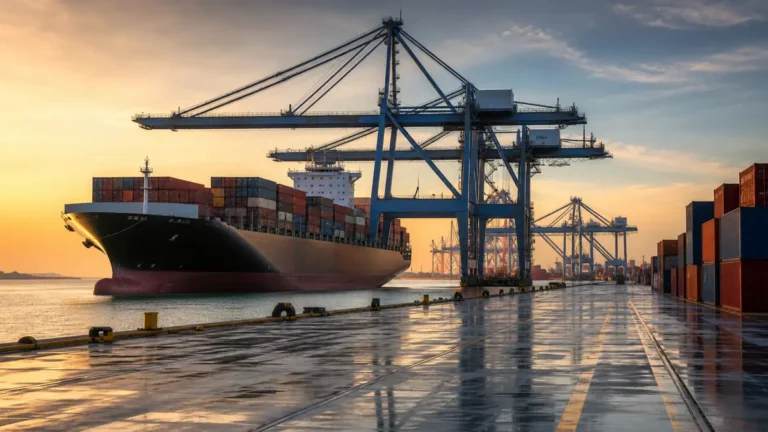
Container shipping’s peak-season playbook is being rewritten as Europe’s air conditioner imports surge, a trend that is packing more cargo onto an already stretched Asia–Europe tradelane. The shift reflects a continent-wide embrace of cooling technology. Where once air conditioning was a rarity in many parts of Europe, record heatwaves and changing consumer expectations have turned portable and split-system units into must-have appliances. This demand spike is concentrated in the late spring and early summer months, aligning uncomfortably with the traditional pre‑holiday shipping rush for retail goods.
From factory floor to container vessel
Most air conditioners sold in Europe are manufactured in China, with smaller volumes coming from Thailand and Vietnam. These units are bulky, often shipped fully assembled in large cartons that consume significant container space. A single forty‑foot container may hold only 200 to 300 units depending on size, meaning a regional heatwave can translate into thousands of additional containers needing transit in a short window. Ocean carriers, already navigating tight capacity on the Asia–North Europe loop, now face a predictable yet disruptive seasonal bump that tests the resilience of their networks.
Strain on capacity and freight rates
The Asia–North Europe route already grapples with chronic overcapacity and rate volatility, but the AC season introduces a sharp demand spike that can catch the market off guard. Carriers often respond by adding extra loaders or skipping slow‑steaming legs, yet the suddenness of heat‑driven orders strains spot availability. In recent years, spot freight rates from Shanghai to Rotterdam have swung by double‑digit percentages during the second quarter, partly driven by air conditioner bookings. Shippers without long‑term contracts may find themselves paying a premium or scrambling for space as warehouse doors open to meet the summer rush.
Standards and compliance add complexity
Europe’s Ecodesign Directive and tightened refrigerant regulations heap another layer of complexity onto the logistics chain. Units that do not meet updated SEER (Seasonal Energy Efficiency Ratio) thresholds or use banned hydrofluorocarbons cannot be imported. This means shippers must verify compliance documentation before goods even leave the factory, occasionally delaying shipments and squeezing the available booking window. As the European Union regularly updates these standards, procurement teams and freight forwarders must stay agile to avoid costly cargo holds at destination ports.
Looking ahead: planning for a warmer norm
Logistics managers and freight forwarders are now building the AC peak into their annual forecasts. Some are locking in container slots months in advance through long‑term contracts, while others are turning to alternative ports to avoid congestion at major hubs like Rotterdam and Hamburg. The trend also raises a broader question: as climate change makes European summers hotter, will air conditioning cease to be a seasonal item and become a year‑round staple? For now, the container market must brace for an intensifying summer squeeze. According to Seatrade Maritime News, the ripple effects are already reshaping how carriers allocate space on their strings.
| Aspect | Detail | Impact |
|---|---|---|
| Demand driver | More frequent and intense heatwaves | Increases seasonal container volumes |
| Supply chain | AC units mostly made in China | Tightens Asia-Europe eastbound capacity |
| Cargo characteristics | Bulky, low‑weight cargo | Consumes cubic space rather than weight capacity |
| Regulatory hurdles | EU Ecodesign and refrigerant rules | Compliance checks may delay shipments |
| Rate effects | Summer spot rates rise | Shippers face higher costs or must book early |
| Future trend | Potential shift to year‑round demand | Could smooth but intensify overall container demand |
Why This Matters
This surge challenges the industry's ability to handle overlapping peak seasons, potentially raising costs for importers and disrupting supply chain predictability. It underscores the growing influence of climate-driven consumption on global trade infrastructure, pressing carriers to build more agile capacity plans and shippers to secure earlier, longer-term contracts.
FAQ
What is driving the air conditioning boom in Europe?
The boom is primarily driven by more frequent and intense heatwaves across the continent, coupled with rising living standards and a cultural shift toward greater indoor comfort. Many homes and businesses that previously lacked cooling systems are now installing air conditioners, especially portable and split-system units.
How does this trend affect container shipping?
It creates a seasonal surge in demand for container capacity on key Asia–Europe trade routes, because most air conditioners are imported from China. This can tighten spot availability, push up freight rates, and strain port and vessel operations during the already busy late spring and early summer period.
When does the peak shipping season for air conditioners occur?
The peak typically runs from late spring through early summer, aligning with the traditional pre‑holiday rush for other consumer goods. This overlap can exacerbate capacity crunches and make it more difficult for shippers to secure space at stable rates.
What role do EU regulations play in the import process?
The European Union’s Ecodesign Directive and refrigerant regulations set energy efficiency and environmental standards that imported air conditioners must meet. Compliance checks can slow down shipments if documentation is not in order, potentially delaying delivery and narrowing the effective booking window.
Sources
- Seatrade Maritime News (seatrade-maritime.com)
- European Union (europa.eu)
Source: Seatrade Maritime News