
Yang Ming Gains Tariff Clarity as West Coast Freight Rates Dip
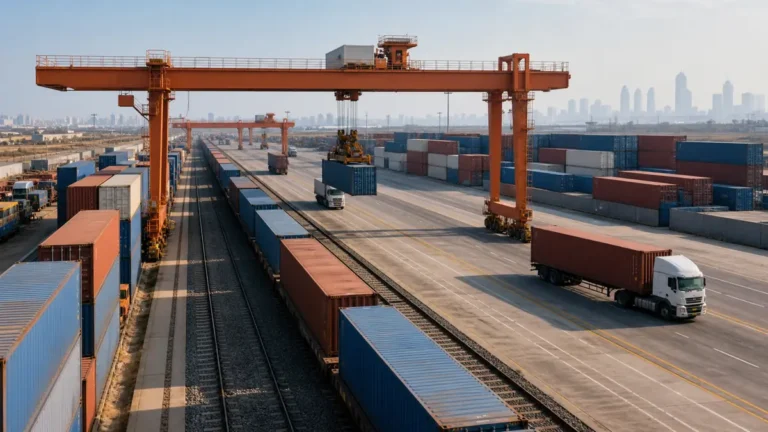
Container shipping benchmarks on the trans-Pacific corridor show a slight easing, yet the financial performance of major carriers remains robust. The interplay between rate levels and carrier profits has drawn renewed attention after a tariff decision brought clarity to one of Asia’s largest container lines.
Supply-Chain and Standards Context
Global container movements rely on standardized unit sizes—predominantly the 40-foot equivalent unit (FEU)—to facilitate efficient intermodal transfers. On the US West Coast, ports such as the Port of Los Angeles and Long Beach handle a large share of these imports, operating with strict turnaround protocols and chassis pools that minimize dwell times. Even minor fluctuations in freight rates from China can cascade through supply-chain budgets, making rate benchmarks a critical indicator for retailers and manufacturers.

Rate Movements and Profitability
Recent assessments of spot ocean freight rates from China to the US West Coast indicate a modest decline from the highs seen earlier this year. Despite this downward tick, average profits per container stayed well above pre-pandemic norms. Carriers have maintained elevated earnings through careful capacity deployment—blanking sailings when demand softens—and by retaining a larger share of annual contract volumes at favorable terms. This structural profitability shows no sign of collapsing, even as short-term rates correct.
Yang Ming’s Tariff Clarity
Yang Ming Marine Transport Corp., headquartered in Keelung, Taiwan, stated that a recent tariff ruling has provided the company with greater operational visibility. The decision, which affects goods flows on the trans-Pacific trade, allows carriers to plan vessel deployments and contract negotiations with more confidence. A spokesman noted that while rate levels are cyclical, tariff predictability helps reduce the risk of sudden cargo diversions and ensures smoother capacity allocation across alliance networks.
Implications for Shippers and Forwarders
For importers and logistics providers, the combination of softer spot rates and tariff clarity from a major line like Yang Ming could translate into more stable contract pricing. Freight forwarders may find it easier to offer long-term rate guarantees, while beneficial cargo owners can lock in transportation costs without fear of disruptive tariff swings. Nevertheless, market participants remain watchful of factors such as West Coast port labor negotiations and equipment availability, both of which could quickly tighten supply-demand balance again.
Key Points Overview
| Aspect | Detail |
|---|---|
| West Coast freight rates | Modest decline from earlier highs, but remain above historical averages. |
| Carrier profitability | Strong margins sustained through capacity management and annual contracts. |
| Yang Ming tariff clarity | Recent ruling enhances operational visibility and contract stability. |
| Key ports | Los Angeles and Long Beach continue to handle high volumes efficiently. |
| Outlook | Stable pricing expected, but labor and equipment risks remain. |
Why This Matters
The divergence between softening freight rates and sustained profitability underscores the structural shift in container shipping since the pandemic. Carriers have leveraged alliances and tighter capacity to maintain earnings even as spot prices cool. For importers and freight forwarders, tariff certainty from a major line like Yang Ming reduces planning risk, potentially stabilizing contract rates and service reliability on the critical Asia–US West Coast trade lane.
FAQ
Why are US West Coast freight rates dipping?
Rates are easing from the elevated levels driven by pandemic-era demand surges and supply chain disruptions. A combination of softer consumer spending, improved port fluidity, and increased carrier capacity has contributed to the recent decline, though prices remain historically high.
How can shipping companies remain highly profitable despite lower rates?
Carriers locked in multi-year contracts at favorable rates during the peak period, and they continue to use disciplined capacity management, such as blanking sailings, to prevent overcapacity. Operational efficiencies and strong financial reserves also support sustained profitability.
What does the tariff decision mean for Yang Ming?
The tariff ruling provides predictability for goods flows on the trans-Pacific trade, allowing Yang Ming to adjust its vessel deployment and service offerings without the disruption of sudden policy shifts. This clarity supports better long-term planning and partnership with customers.
When might US West Coast freight rates change significantly again?
Rate movements depend on demand patterns, port labor stability, and carrier strategies. The next peak shipping season, typically starting in summer, could push rates up if volumes rebound. Conversely, a prolonged economic slowdown or a resolution of ongoing labor negotiations could lead to further softening.
Sources
- Yang Ming Marine Transport Corp. (yangming.com)
- Port of Los Angeles (portoflosangeles.org)
Source: finance.biggo.com