
U.S. Container Imports Jump as Tariff Uncertainty Fuels Booking Rush
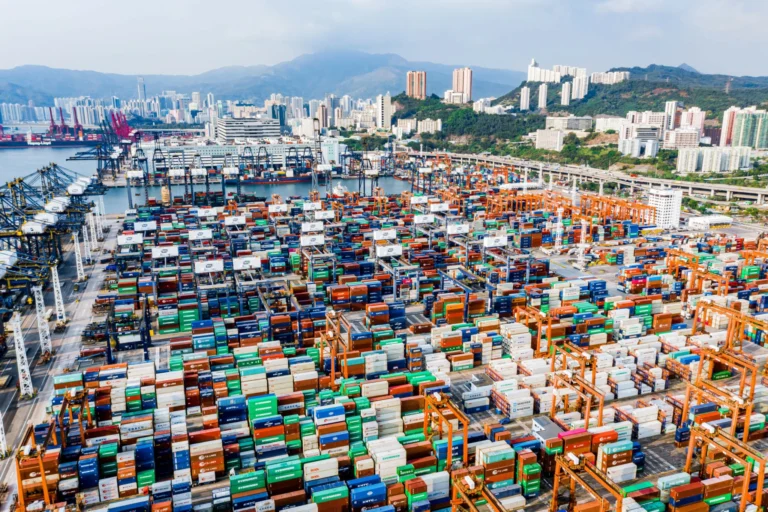
Container import bookings into the United States are riding a prolonged wave, with shippers accelerating orders as federal trade officials review existing tariff structures. The sustained uptick, highlighted in recent freight data, has stirred debate over how much of the volume is directly induced by trade policy and what the ripple effects will be for domestic transportation networks.
Booking Volumes Stay Elevated
Several months of above-trend container bookings have placed strain on major U.S. maritime gateways. Terminal operators report that vessel calls remain fully utilized, and empty container returns are lagging, indicating that importers are pulling forward shipments to beat possible tariff escalations. The pattern echoes past pre-tariff rushes, where uncertainty prompted businesses to stock inventory ahead of new levies.
For importers relying on ocean freight from China, working with a reliable freight forwarder in China has become essential to manage the surge. Such logistics partners are navigating tight vessel space and volatile spot rates, while also advising on customs compliance should tariff codes change abruptly. The booking strength is visible across multiple trade lanes, though the trans-Pacific route shows the most pronounced acceleration.
Tariff Review Sparks Preemptive Ordering
The Office of the U.S. Trade Representative is actively reviewing current tariff schedules, a process that includes evaluating Section 301 duties on a wide range of Chinese goods. Although no final determinations have been issued, the mere prospect of additional or broadened tariffs is spurring importers to order early and in larger quantities. Industry observers note that even the threat of higher duties can distort normal inventory cycles, creating a temporary but intense demand spike for international freight and associated logistics services.
Trade analysts point out that the existing tariff regime already covers thousands of product categories, and any expansion could affect consumer electronics, machinery, and apparel. The review encompasses both a possible increase in rates and a potential widening of the product scope, adding layers of uncertainty that businesses are hedging against through accelerated procurement.
Domestic Transport Networks Absorb the Influx
Eastbound containers discharging at West Coast ports are quickly transitioning to intermodal rail and truckload moves bound for major consumption centers. This has tightened capacity in domestic drayage and over-the-road markets, with spot truck rates in Southern California climbing steadily. Warehousing vacancy rates in key logistics hubs like the Inland Empire have compressed further, as facilities struggle to absorb the influx while still holding existing inventory.
Midwest and East Coast rail ramps are also feeling the pressure, as unit trains from Los Angeles and Long Beach arrive at elevated frequencies. Domestic intermodal volume has paralleled the import spike, suggesting that a significant share of landed boxes is moving intact inland. The surge is occurring during what is typically a softer pre-holiday lull, meaning any sustained demand could deepen capacity crunches into peak season.
Industry Context and Strategic Outlook
Historically, tariff-driven import waves tend to be followed by sharp corrections once trade policy stabilizes or inventory levels become excessive. Logistics providers are therefore cautious about investing in long-term assets, such as chassis or warehouse expansions, based on what might be temporary volume. FreightWaves reported that forward-looking indicators, including new purchase order indices, remain positive but show early signs of deceleration, hinting that the current rush may not extend indefinitely.
Supply chain managers are weighing the cost of expedited shipping and storage against the risk of holding too much stock if consumer demand moderates. The Federal Reserve’s monetary policy and retail sales data will be closely watched to gauge downstream absorption. For now, the import pipeline remains full, and the domestic freight sector is running hot, but the longevity of this cycle hinges on the U.S. Trade Representative’s next moves and global economic conditions.
| Aspect | Observation |
|---|---|
| Booking trend | Prolonged high volume of container import bookings |
| Primary driver | Uncertainty from tariff review prompting advance ordering |
| Policy context | U.S. Trade Representative evaluating possible tariff changes |
| Trade lane focus | Trans-Pacific route, especially imports from China |
| Domestic transport effect | Increased demand for trucking, rail, warehousing; tighter capacity |
| Risk | Potential inventory glut and sharp volume drop if tariffs stabilize |
The interplay between trade policy and import flows remains a critical factor for the logistics sector. As container bookings persist at elevated levels, the industry tracks government announcements and consumer trends to determine whether this is a short-term pull-forward or the start of a longer-lasting shift in supply chain behavior.
Why This Matters
The sustained import wave, likely driven by tariff anxiety, injects volume into trucking and rail networks but risks creating inventory gluts if demand softens. Transport providers must gauge whether this is a short-term pull-forward or a structural shift, as misjudgment could lead to capacity mismatches and rate volatility.
FAQ
What is causing the current surge in container import bookings?
The surge is largely attributed to a review of trade tariffs by U.S. authorities. Importers are accelerating orders to avoid potential cost increases, creating a prolonged high-volume booking period.
How are trade policy reviews affecting import decisions?
Uncertainty over tariff hikes prompts businesses to front-load imports, bringing in goods ahead of possible new levies. This behavior artificially inflates short-term demand for ocean freight and domestic logistics.
What does this mean for domestic transportation markets?
Increased imports boost demand for trucking, rail, and warehousing services, tightening capacity and potentially raising rates. If the surge is temporary, a sudden drop could leave carriers with excess equipment.
Who is reviewing the tariffs and what is the timeline?
The Office of the U.S. Trade Representative is reviewing existing tariffs, though no specific timeline has been announced. The ongoing evaluation creates a forward-looking rush that is visible in freight data.
Sources
- FreightWaves (freightwaves.com)
- Office of the U.S. Trade Representative (ustr.gov)
Source: news – FreightWaves