
Sepanggar Port congestion prompts task force launch
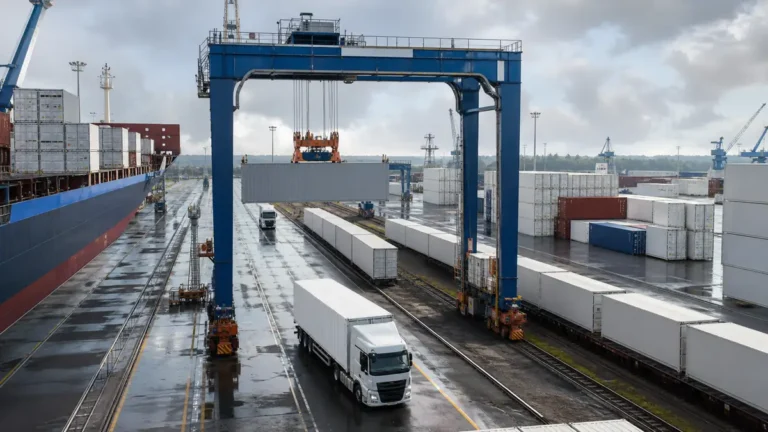
Operations at Sepanggar Port in Kota Kinabalu have been strained by persistent delays, leading authorities to establish a dedicated panel to resolve the bottlenecks. The port, a critical gateway for Sabah’s imports and exports, has seen mounting congestion that threatens to disrupt regional supply chains and increase logistics costs.
Rising Delays at Sabah’s Main Seaport
For months, ships calling at Sepanggar Port have faced extended waiting times at anchorage, while yard utilisation has crept to uncomfortable levels. Importers and exporters report difficulties in meeting delivery schedules, with some containers overstaying due to slow inland clearance.
The congestion has been attributed to a combination of factors, including a surge in cargo volumes, uneven vessel arrivals, and occasional equipment shortages. Although the port has undergone expansion in recent years, operational tempo has struggled to keep pace with demand, prompting calls for intervention.
Mandate and Composition of the New Panel
The newly formed task force is expected to bring together key stakeholders, including the port operator, shipping lines, customs, and haulage representatives. Its primary goal is to streamline berth scheduling, accelerate gate movements, and enhance coordination between public and private entities.
While the exact terms of reference have not been disclosed, the panel is widely seen as an acknowledgement that piecemeal fixes are insufficient. The Sabah state government has been under pressure to intervene, and the task force represents a structured approach to restoring normal service levels.
Economic Stakes for the State
Sepanggar Port handles a substantial share of Sabah’s consumer goods, construction materials, and agricultural exports. Any prolongation of congestion risks causing inventory shortages, missed export windows, and higher freight rates, which would ripple through the local economy.
Small and medium enterprises, in particular, are vulnerable to even minor disruptions. With the state’s development plans relying on efficient logistics, the task force’s performance is likely to be closely watched by business chambers and investors alike.
What Comes Next
In the immediate term, the panel is expected to conduct a rapid diagnostic of chokepoints, from vessel traffic management to last-mile delivery. Recommendations could include extended gate hours, appointment systems for truck arrivals, or investment in supplementary yard space.
Longer-term solutions may involve deeper shipping-channel upgrades and digital cargo-tracking platforms. However, previous attempts at reform have sometimes stalled due to competing interests, making follow-through as important as the task force’s initial mandate.
| Aspect | Details |
|---|---|
| Port | Sepanggar Port, Kota Kinabalu, Sabah |
| Issue | Congestion causing delays in cargo handling |
| Response | Formation of a multi-stakeholder task force |
| Expected Outcome | Reduced waiting times, improved efficiency |
| Economic Impact | Stabilisation of supply chains and freight costs |
As of now, the specific membership and action plan have not been publicly detailed, leaving industry observers to await concrete measures. The move was first reported by Daily Express Malaysia.
Why This Matters
Sepanggar Port is vital for Sabah’s economy, handling everything from consumer goods to agricultural exports. Prolonged congestion can raise shipping costs, delay cargo, and hurt local businesses. A coordinated task force signals that authorities recognise the urgency, but the real test will be whether it translates intent into lasting operational improvements.
FAQ
Who formed the task force for Sepanggar Port congestion?
While detailed announcements are pending, the task force is believed to have been initiated by port authorities in coordination with the Sabah state government. It is expected to include the port operator, customs, and key logistics stakeholders.
What is causing the congestion at Sepanggar Port?
The delays are linked to a surge in cargo volumes, uneven vessel scheduling, and occasional equipment shortages. Increased demand has outstripped some operational capacities, leading to yard congestion and longer ship waiting times.
When will the task force start work?
No official start date has been released, but stakeholders anticipate immediate diagnostic activity. The task force’s first steps are likely to involve identifying bottlenecks and implementing short-term measures such as extended gate hours.
How does Sepanggar Port congestion affect Sabah’s economy?
As the main seaport for Sabah, any delays can disrupt supply chains for essential goods, increase freight rates, and cause missed export deadlines. Small businesses are especially vulnerable, and persistent congestion could deter investment if not resolved.
Sources
- Sepanggar Port (sabahports.com.my)
- Sabah state government (sabah.gov.my)
- Daily Express Malaysia (dailyexpress.com.my)
Source: Daily Express Malaysia