
Packaging Shortfalls Create Unseen Delays in Global Ocean Freight
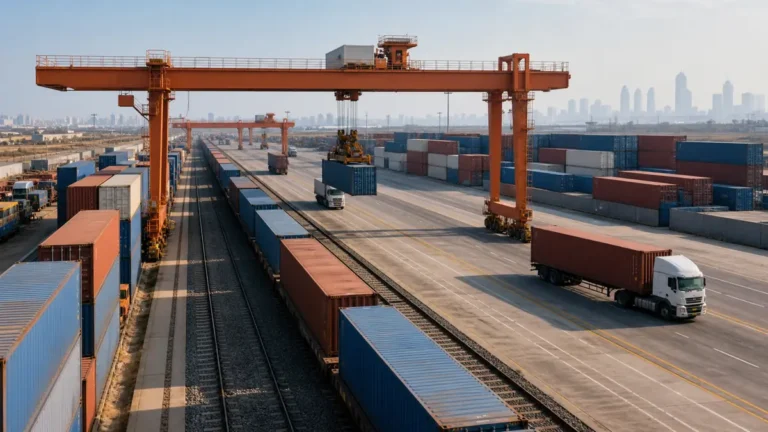
Effective packaging forms a critical link in the international supply chain, yet its pitfalls often surface long before a container is loaded for sea transit. When packaging fails—whether through non-compliance with international standards, shortages of raw materials, or incompatibility with handling equipment—the resulting choke points can stall shipments for days, inflate costs, and cascade disruptions across inland logistics. As ocean freight volumes continue to rebound, these packaging-related vulnerabilities are emerging as silent threats to trade fluidity.
Why This Matters
Ocean freight thrives on seamless unitisation, but packaging flaws can break that uniformity. When a single pallet or crate fails inspection, it can hold up an entire container, delay vessel loading, and trigger demurrage charges. For industries reliant on just-in-time delivery, understanding and mitigating packaging choke points is essential to maintaining competitive lead times and cost control.

FAQ
Who is most affected by packaging-related freight delays?
Exporters, freight forwarders, and manufacturers who rely on ocean freight are directly impacted. Port operators, container lines, and customs authorities also experience downstream effects when non-compliant or damaged packaging creates inspection backlogs and equipment tie-ups.
What are the common packaging choke points in ocean shipments?
Key choke points include non-compliance with ISPM 15 wood packaging regulations, pallet sizes that mismatch standard container dimensions, insufficient cushioning leading to cargo damage, and critical shortages of materials like corrugated fibreboard or specialised cushioning foams.
How do packaging issues translate into supply chain disruption?
A rejected pallet or damaged carton can delay a container's release at origin or destination, causing missed connections on feeder vessels and trains. The ripple effect extends to warehouse congestion, inventory imbalances, and contractual penalties for late delivery.
Why is packaging often overlooked in freight planning?
Logistics teams tend to prioritise carrier rates and transit times, treating packaging as a static procurement item. However, its direct impact on loadability, regulatory clearance, and cargo integrity means that packaging performance is as dynamic as any other supply chain variable.
Sources
- International Organization for Standardization (ISO) (iso.org)
- World Shipping Council (worldshipping.org)
Source: Packaging Gateway