
E-Commerce Surge Drives Air Freight Forwarding Industry Toward US$126.55 Billion by 2031
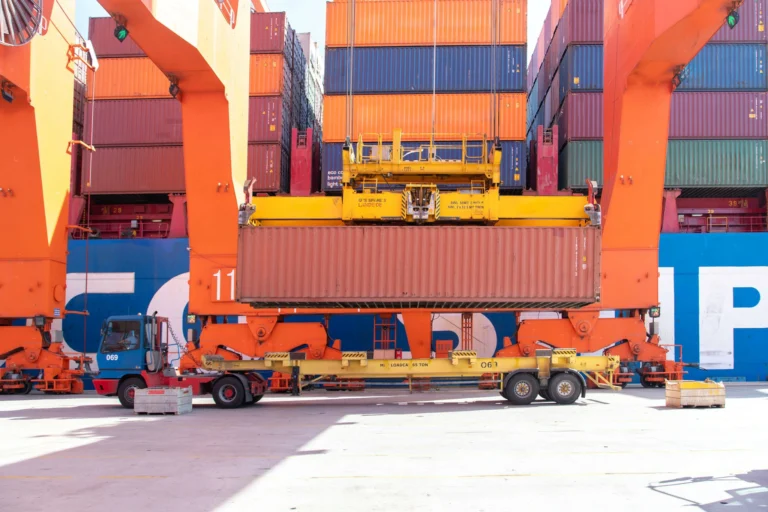
Global logistics networks have grown increasingly dependent on swift air cargo solutions as businesses shift toward just-in-time inventory models and cross-border online retail. The sector’s importance has been underlined by a fresh market forecast projecting substantial expansion over the remainder of the decade.
According to a report released by Mordor Intelligence and distributed via Barchart, the worldwide air freight forwarding market is on pace to reach a valuation of USD 126.55 billion by the year 2031. Analysts point to sustained e-commerce growth and the rising prevalence of time-critical deliveries as the primary forces behind this trajectory.
Scale of the Forecasted Expansion
The projected figure represents a notable leap from current market size estimates, reflecting how deeply air cargo has become embedded in modern supply chains. While the report does not detail the compound annual growth rate in the lead findings, the sheer value of USD 126.55 billion underscores that carriers, handlers, and forwarders are likely to see a sustained increase in volumes.

This growth is not expected to be uniform; instead, it will be shaped by shifting trade lanes, capacity fluctuations, and the ability of logistics providers to adapt to new digital platforms. Industry observers note that such forecasts often act as a benchmark for investment decisions, influencing everything from fleet expansion to warehouse automation.
E-Commerce as a Primary Demand Engine
Online retail has redrawn the map for freight forwarders. The need to move goods from manufacturing centers to end consumers within days—sometimes hours—has made air freight the preferred mode for many high-value shipments. As marketplaces expand their global footprint, the strain on existing air cargo networks intensifies.
China, remaining a dominant manufacturing hub, feeds much of this demand. The rising complexity of cross-border trade has driven more shippers to rely on specialized services like freight forwarding from China, ensuring that goods clear customs and reach distribution centers with minimal delay. With peak seasons becoming longer and more intense, forward-looking capacity planning is now a permanent fixture of the industry.
Time-Sensitive Shipments and the New Normal
Beyond retail, sectors such as pharmaceuticals, automotive spare parts, and perishables are contributing to the urgency. These verticals depend on tight delivery windows; any disruption can halt production lines or compromise product integrity. Consequently, the premium segment of air freight continues to attract a growing share of logistics budgets.
This ongoing shift has prompted many companies to re-evaluate their logistics partnerships, often opting for integrated air freight from China providers that offer end-to-end visibility. The ability to track shipments in real time and adjust routes dynamically is no longer a differentiator—it has become a baseline requirement.
Implications for the Logistics Ecosystem
For freight forwarders, the forecast signals both opportunity and pressure. Rising demand must be met with expanded capacity, digitalised documentation, and stronger relationships with carrier partners. Firms that have invested in AI-driven routing tools and carbon-neutral initiatives could gain a competitive edge as the market matures.
Regulatory changes, including stricter customs protocols and environmental mandates, are also expected to shape the landscape. Forwarders operating in multiple jurisdictions will need to stay agile, leveraging technology to maintain compliance while keeping transit times low.
| Aspect | Details |
|---|---|
| Projected market size | USD 126.55 billion |
| Forecast year | 2031 |
| Primary growth driver | E-commerce demand and time-sensitive shipments |
| Reporting entity | Mordor Intelligence |
| Distribution partner | Barchart |
Stakeholders across the logistics chain will be watching closely as interim data releases test the validity of this long-range projection. The ultimate outcome hinges on how global trade policies, consumer behaviour, and technological innovation converge in the years ahead.
Key Figures
This story includes concrete figures such as USD 126.55 billion and 2031. The points below pull out the key numbers so the reporting is easier to scan and verify.
- Projected market size: USD 126.55 billion Air freight forwarding market value projected for 2031 by Mordor Intelligence.
- Forecast year: 2031 The year by which the market is expected to reach the stated valuation.
Why This Matters
The forecast signals a sustained capacity crunch and heightened competition among logistics providers. As e-commerce margins tighten, the pressure on forwarders to offer faster, more transparent services will reshape investment in air cargo infrastructure and digital platforms.
FAQ
Who published the USD 126.55 billion air freight forwarding forecast?
The forecast was published by Mordor Intelligence, a market research firm, and distributed through the financial data platform Barchart.
What is driving the projected growth in air freight forwarding?
Two primary factors: the continued expansion of global e-commerce, which demands rapid delivery of cross-border orders, and the growing volume of time-sensitive shipments from sectors like pharmaceuticals and automotive parts.
How significant is the USD 126.55 billion figure?
It represents a substantial increase from current market levels and reflects the deepening reliance on air cargo for international trade. The figure serves as a key benchmark for logistics investment and capacity planning through the rest of the decade.
When is the market expected to reach this value?
The projection targets the year 2031, implying sustained year-on-year growth over the next several years, barring major economic disruptions.
Sources
- Mordor Intelligence (mordorintelligence.com)
- Barchart (barchart.com)
Source: Barchart.com