
Low water restricts barge capacity, but the real problem is port congestion
Key Figures
This story is anchored to specific dates or periods such as 2023. Those reference points make it easier to track how the situation develops over time.
- Date / period: 2023 The 150-centimeter threshold serves as a psychological tripwire for the industry: in the summer of 2023, similar conditions prompted several lines to levy low-water surcharges, inflating shipping bills for manufacturers and traders…
Seasonal dips in the Rhine’s water levels regularly test the resilience of Europe’s supply chains, but the more entrenched obstacle for barge operators is not the shallowing river itself — it is the persistent congestion at container terminals and the low priority assigned to inland vessels. Last week, measurements at a critical gauge point fell below 150 centimeters, a mark that in past years triggered the imposition of low-water surcharges by shipping lines. This development renews attention not only on the river’s hydrology but on the long-standing operational failures that plague multimodal freight networks.
Low water triggers capacity constraints and cost pressures
When the Rhine runs shallow, barges must sail with reduced loads to avoid running aground. Carriers impose draft restrictions that can slash a vessel’s maximum cargo weight by half or more, forcing more trips or shifting goods to costlier modes like truck or rail. The 150-centimeter threshold serves as a psychological tripwire for the industry: in the summer of 2023, similar conditions prompted several lines to levy low-water surcharges, inflating shipping bills for manufacturers and traders reliant on the Rhine corridor.
These surcharges are meant to offset the diminished efficiency, but they also expose the vulnerability of just-in-time supply chains. Shippers often face a difficult choice: absorb higher freight costs or risk delays by seeking alternative routes. The economic impact radiates beyond Germany and the Netherlands, affecting landlocked destinations that depend on the river as a gateway to world markets.
Yet, the low-water scenario, while disruptive, is a periodic natural event that the logistics sector has long learned to anticipate. The real drag on barge transport performance lies elsewhere.
Terminal congestion sidelines barge services
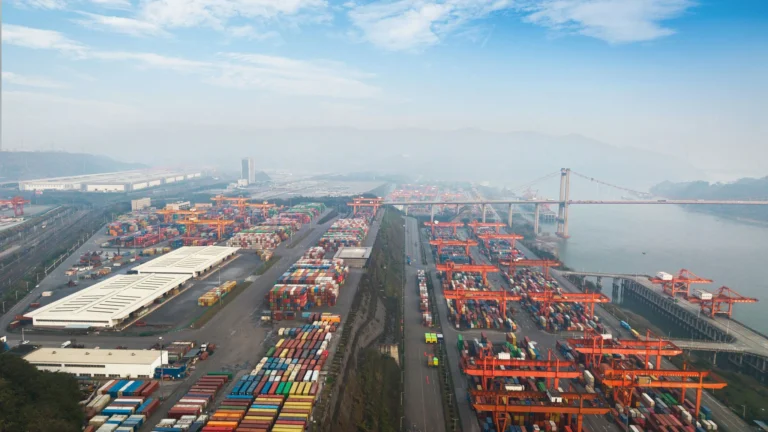
Container terminals at major port hubs like Rotterdam and Antwerp frequently struggle under the weight of mega-ship calls, labour shortages, and equipment deficits. In this high-pressure environment, barges are often treated as second-class callers. They face extended waiting times, miss their designated slots, and occasionally are turned away entirely if a terminal’s yard is too clogged to accept more boxes.
Such delays cascade through the inland network. A barge that misses a slot may be forced to wait a full day for the next available window, disrupting its entire sailing schedule and the onward connections of its cargo. Reliability suffers, shippers lose confidence, and the cost advantage of inland waterways erodes. The Loadstar’s reporting underscores that many barge operators see terminal congestion as a chronic bottleneck more damaging than seasonal low water.
Port congestion itself has multiple causes: surging import volumes, a shortage of dockworkers and crane operators, and the concentration of container traffic at a handful of mega-terminals. When disruptions strike, the knock-on effects for barges are immediate because their smaller consignments are less attractive to terminal planners juggling the needs of ultra-large container vessels.
Structural neglect of barge transport undermines reliability
European policy has long touted inland navigation as a green alternative, yet investment in barge-friendly infrastructure has lagged behind aspirational targets. Many terminals lack dedicated barge quays, streamlined customs processes, or digital platforms that give barges equal booking rights. Without systemic change, barges will continue to operate at the mercy of terminal operators who prioritize the speedier turnaround of deep-sea ships.
Initiatives like the EU’s Rhine-Alpine Core Network Corridor aim to integrate waterway transport into a seamless multimodal chain, but progress is uneven. Some ports have experimented with fair-slot allocation schemes and off-peak incentives, but these remain exceptions. Barge operators argue that until their vessels receive the same operational respect as ocean-going giants, the sector cannot grow its modal share.
The combination of physical restrictions from low water and operational snubs at the terminal gate creates a double bind. Shippers who might otherwise choose the climate-friendly river route are driven back to roads, adding to congestion and emissions precisely when the EU seeks to decarbonize freight.
Addressing these issues demands coordinated action: waterway management to ensure navigability through dredging and flow regulation, alongside terminal policies that recognize barges as equal partners in the chain. Without such measures, the Rhine’s role as Europe’s industrial lifeline will remain hostage to both weather and inefficiency.
Why This Matters
Europe’s Rhine corridor is a backbone of industrial freight, yet systemic neglect of barge handling at congested container terminals magnifies disruptions from low water. Without integrated waterway-terminal planning, supply chains face mounting costs and reduced reliability, while environmental goals tied to modal shift remain out of reach.
FAQ
Why are Rhine water levels falling?
Seasonal dry spells and reduced snowmelt from the Alps contribute to low water levels on the Rhine, a phenomenon observed more frequently in recent summers. Climate change is intensifying these fluctuations, making low-water events more common and prolonged.
How does port congestion affect barge transport?
Port congestion leads to longer waiting times, missed berthing windows, and often denial of service for barges, as terminals prioritize larger ocean vessels. This reduces reliability and increases costs for barge operators, pushing cargo to road and rail.
What are low-water surcharges?
Low-water surcharges are fees imposed by carriers when river levels drop below certain thresholds, restricting barge loading capacity. They compensate for the higher per-unit cost of moving cargo under draft restrictions, but add to shippers’ overall transportation expenses.
What is being done to improve barge terminal handling?
Some ports are investing in dedicated barge quays and digital slot-booking systems to reduce waiting times. EU projects like the Rhine-Alpine Corridor aim to enhance infrastructure and coordination, but progress remains slow and fragmented.
Sources
Source: The Loadstar