
Container Freight Rates Surge as Peak Season Demand Collides With Middle East Disruptions
Key Figures
This story is anchored to specific dates or periods such as 14 days. Those reference points make it easier to track how the situation develops over time.
- Time frame: 14 days Instead, ships are diverting around the Cape of Good Hope, adding roughly 10–14 days to a typical Asia–Europe voyage.
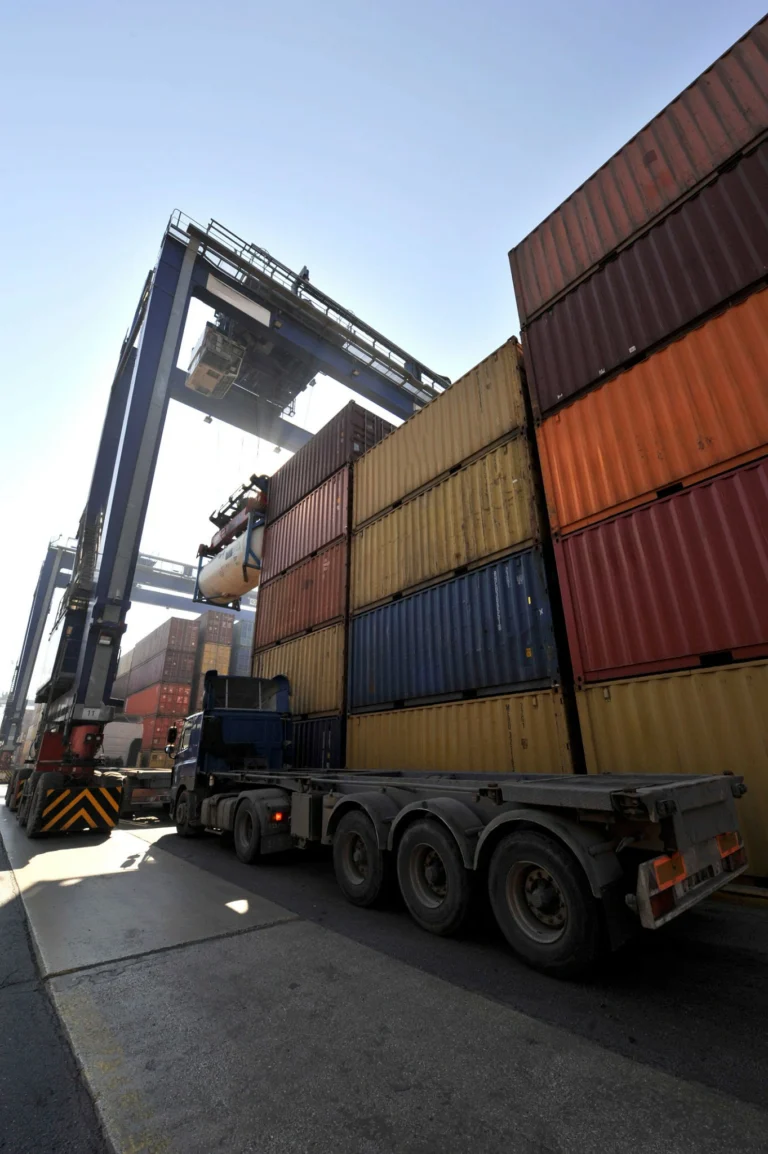
Global container shipping markets are facing a fresh wave of volatility as a sharp uptick in early peak season demand collides with ongoing military tensions in the Middle East, driving spot freight rates to levels not seen since the pandemic era. Freight forwarders and importers are grappling with tighter capacity, longer transit times, and rapidly climbing costs across major trade lanes.
Peak Season Demand Arrives Ahead of Schedule
Retailers and manufacturers in North America and Europe have begun front-loading orders ahead of the traditional July–August peak window. This early surge reflects efforts to hedge against possible tariff changes, avoid late-season congestion, and secure inventory for the back-to-school and holiday shopping periods. With orders hitting the water months earlier than usual, vessel utilization is already near capacity on many Asia–Europe and Asia–US East Coast strings.
The compressed timeline leaves little room to absorb additional shocks, and shipping lines have responded by announcing a wave of general rate increases. Spot rates on key corridors have risen sharply in recent weeks, squeezing the margins of freight forwarders who must pass on elevated carrier charges to their clients while still guaranteeing space.
Middle East Turmoil Triggers Costly Rerouting
At the heart of the disruption is the crisis in the Red Sea, where attacks on commercial vessels have forced most container lines to abandon the Suez Canal routing. Instead, ships are diverting around the Cape of Good Hope, adding roughly 10–14 days to a typical Asia–Europe voyage. The extra distance consumes fuel, incurs higher insurance premiums, and effectively removes significant vessel capacity from the global fleet.
Voyage lengths for the Asia–US East Coast trade are similarly stretched, as carriers have pulled services away from the Suez in favor of the longer passage via the Cape or an overland rail connection across North America. The rerouting is soaking up tonnage that would normally handle rising seasonal volumes, creating a supply-demand mismatch that is propelling spot rates upward.
Ripple Effects on Global Trade and Logistics
The spike in container freight rates is reverberating through supply chains worldwide. Importers are seeing landed costs increase by double-digit percentages for many consumer and industrial goods. Smaller businesses, in particular, are being forced to reevaluate product pricing or accept thinner margins. Some shippers are turning to air freight for time-sensitive shipments, though that mode carries its own steep cost and capacity constraints.
Freight forwarders managing deliveries to vulnerable regions, such as East Africa, are under particular pressure. Services like Kenya — Nairobi — Sea DDP w/Tax and Tanzania — Dar es Salaam — Sea DDP w/Tax are seeing rates climb as carriers pass on the increased costs of the longer routing. For many import-dependent economies in Africa, the combination of higher logistics costs and extended lead times threatens to disrupt domestic markets and construction projects reliant on just-in-time imports.
Carriers, meanwhile, are benefiting from the higher rate environment, but the situation remains fragile. Any further escalation in the Middle East—or a early resolution of the conflict—could swiftly alter the dynamic. For now, the expectation is that elevated rates will persist through the peak season and possibly into the fourth quarter as the industry adjusts to what is quickly becoming a new norm for East-West container flows.
Why This Matters
The collision of peak season demand with geopolitical risk in the Middle East exposes the brittleness of modern supply chains. Freight forwarders must now operate under routing constraints that invalidate traditional assumptions, pushing shippers to rethink inventory strategies and transportation budgets. Sustained rate hikes risk feeding into broader inflationary pressures on consumer goods, amplifying the commercial consequences of a regional crisis.
FAQ
Why are container freight rates surging?
The surge is driven by a combination of earlier-than-usual peak season demand and disruptions in the Middle East, particularly attacks on vessels in the Red Sea. These events have restricted capacity by forcing ships to take longer routes, leading carriers to impose substantial rate increases on major East-West trades.
How are Middle East disruptions affecting shipping routes?
Most container lines have suspended Suez Canal transits and are rerouting vessels around the Cape of Good Hope. This adds thousands of miles and many days to voyages, reducing the effective supply of ships and driving up fuel, insurance, and charter costs.
What is the impact on importers and retailers?
Importers face longer lead times, significantly higher freight bills, and a greater risk of stockouts. Many are accelerating orders or shifting to air freight, while retailers may need to absorb logistics cost increases or pass them on to consumers during the upcoming holiday season.
How are freight forwarders responding to the rate surge?
Freight forwarders are negotiating aggressively with carriers for space, exploring alternative routings, and advising clients on flexible booking strategies. They are also highlighting door-to-door DDP options that can offer cost certainty amid volatile spot markets.