
Lithium Battery Shipping from China
Export freight for lithium battery — packing specification, container loading, HS classification and clearance. Quoted EXW, FOB, CIF, CIP or delivered duty-paid.
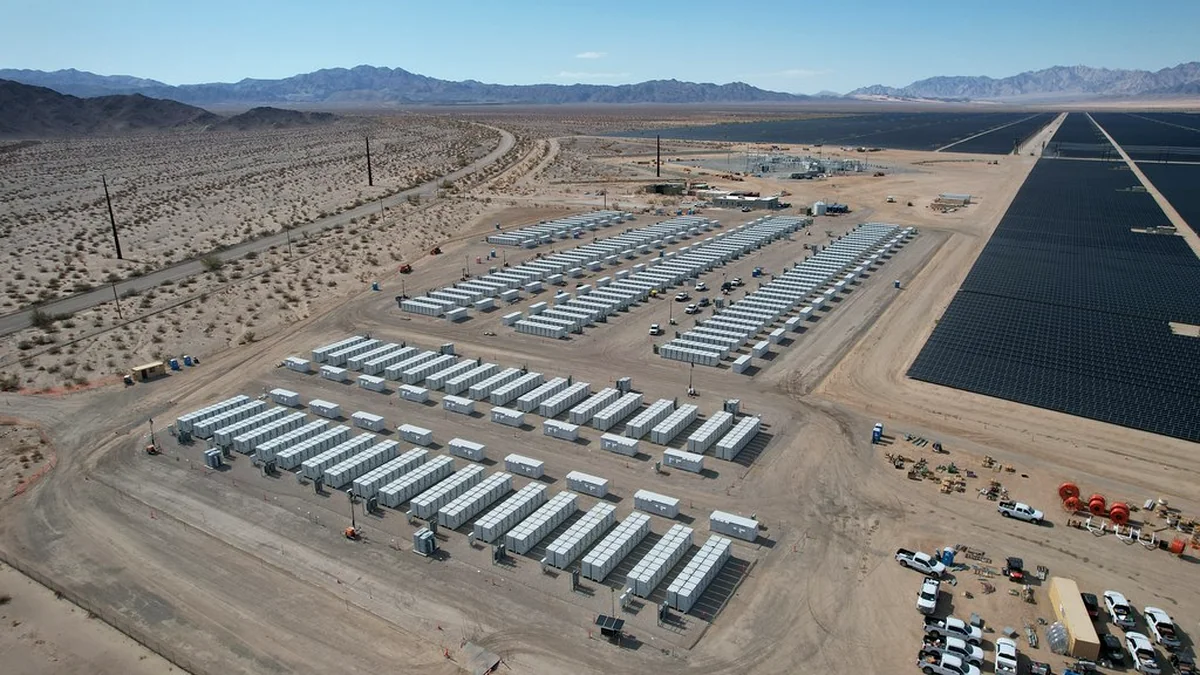
We move Lithium Battery out of China as ordinary export freight — booked, packed and cleared to the same standard as any other commodity, but planned around the fact that it Class 9 dangerous goods from the first enquiry to the final delivery.
The pricing follows from it. Priced as dangerous goods, which means the DG surcharge, restricted space allocation and the packing specification all sit on top of the base rate. Air capacity for lithium is genuinely limited on many lanes and books out early.
A caution particular to this commodity. The UN entry. Standalone cells (UN3480), cells packed with equipment (UN3481) and cells contained in equipment are three different entries with different packing and documentation. Declaring the wrong one gets the booking cancelled at origin.
On the compliance side the recurring item is straightforward to state and easy to leave too late: CE and IEC conformity, and a check that voltage and grid code match the destination. HS classification generally falls in chapter 85 / 8541, though the exact heading depends on specification and should be confirmed against your own product before you rely on a duty estimate.
Freight reference — Lithium Battery
| Typical HS chapter | 85 / 8541 |
|---|---|
| Cargo behaviour | Class 9 dangerous goods from the first enquiry to the final delivery |
| How it prices | DG surcharged |
| Usual service | Sea IMDG Class 9 |
| Main compliance step | CE and IEC conformity, and a check that voltage and grid code match the destination |
| Trade terms available | EXW, FOB, CIF, CIP, DAP or delivered duty-paid |
HS chapters are indicative. The binding classification depends on your exact specification — confirm the heading before relying on a duty estimate.
Packing and protection
UN-specification packaging, terminals individually protected against short circuit, cells at 30% state of charge or below for air, and Class 9 lithium marks correctly applied. The document set — UN38.3 test summary, SDS and DG declaration — must exist before booking, not before departure.
Loading the container
On loading: Segregate per IMDG. Cells shipped inside equipment, packed with equipment, and standalone are three different UN entries with different rules — UN3480 for standalone cells against UN3481 for cells in or with equipment — and getting the entry wrong is a booking cancellation, not a correction.
Choosing the service
On routing: Sea under IMDG Class 9 is the workhorse and by far the cheaper option. Air is possible under PI965–967 but restricted, surcharged and capacity-constrained; expect longer lead times to secure space.
Where it usually goes wrong
The UN entry. Standalone cells (UN3480), cells packed with equipment (UN3481) and cells contained in equipment are three different entries with different packing and documentation. Declaring the wrong one gets the booking cancelled at origin.
Live rates on lanes that carry this cargo
Published per-kilo and per-CBM rates from China, updated from carrier feeds. Rates are lane-based rather than commodity-based, so these apply to lithium battery as much as to any other general cargo on the same route.
Frequently asked questions
How is freight priced for lithium battery?
Priced as dangerous goods, which means the DG surcharge, restricted space allocation and the packing specification all sit on top of the base rate. Air capacity for lithium is genuinely limited on many lanes and books out early.
How should lithium battery be packed for export?
UN-specification packaging, terminals individually protected against short circuit, cells at 30% state of charge or below for air, and Class 9 lithium marks correctly applied. The document set — UN38.3 test summary, SDS and DG declaration — must exist before booking, not before departure.
Air or sea for lithium battery?
Sea under IMDG Class 9 is the workhorse and by far the cheaper option. Air is possible under PI965–967 but restricted, surcharged and capacity-constrained; expect longer lead times to secure space.
What customs paperwork does lithium battery need?
The step that most often holds a shipment is CE and IEC conformity, and a check that voltage and grid code match the destination. Classification normally falls in HS chapter 85 / 8541, but the exact heading depends on your specification — send the product details and we will confirm the code and the duty position for the destination before you commit.
What goes wrong most often with lithium battery shipments?
The UN entry. Standalone cells (UN3480), cells packed with equipment (UN3481) and cells contained in equipment are three different entries with different packing and documentation. Declaring the wrong one gets the booking cancelled at origin.
Is there anything specific to lithium battery we should know?
State of charge is a compliance parameter, not a convenience: air movements require cells at or below 30% SOC, and a declaration that does not match the cells is a rejected booking.
Can you quote lithium battery on FOB or CIF rather than duty-paid?
Yes. We quote EXW, FOB, CIF, CIP, DAP and delivered duty-paid on this cargo. The term decides how much of the journey is already inside the price — the trade-terms table on any of our rate pages sets out exactly who carries which cost at each stage.