
Transformers Shipping from China
Export freight for transformers — packing specification, container loading, HS classification and clearance. Quoted EXW, FOB, CIF, CIP or delivered duty-paid.
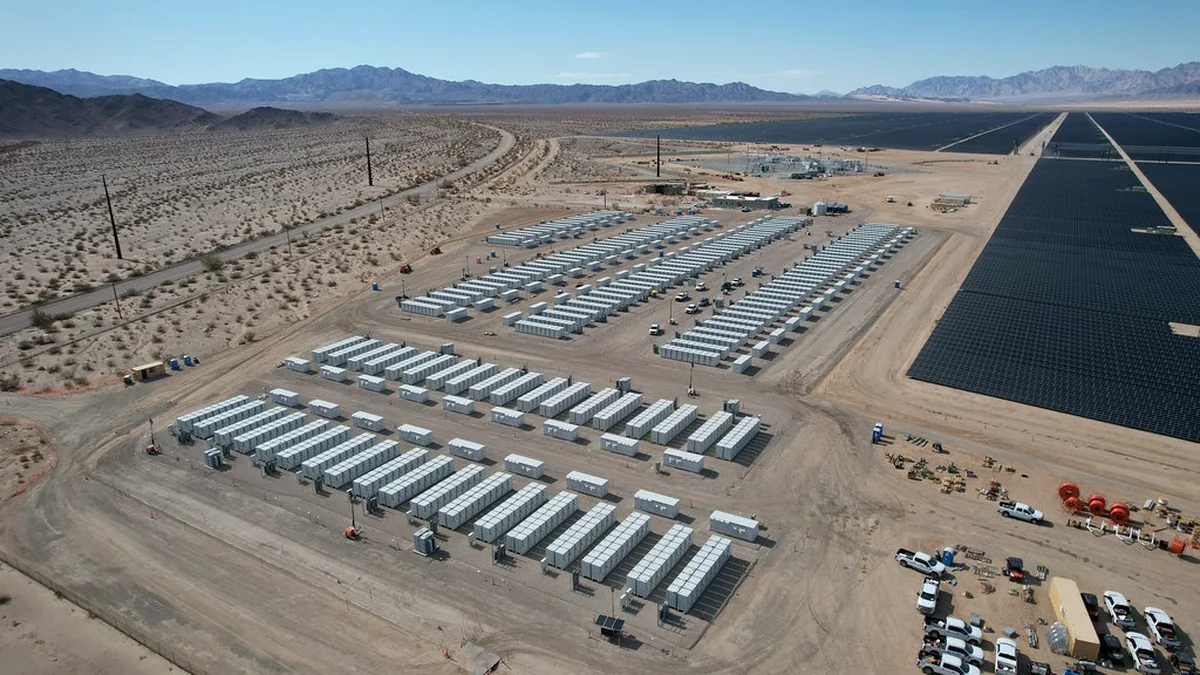
Transformers shipping from China is straightforward once the cargo is understood: this is freight that oil-filled or dry-type units with a very high centre of gravity, and the routing follows from that.
The pricing follows from it. Rated on a combination of dimensions, weight and how far out of gauge it sits. Once any axis exceeds standard internal dimensions the rate moves from a container tariff to a project quote, and the price gap between "just fits" and "just does not" is large enough to justify measuring twice.
A caution particular to this commodity. Tilt damage. A transformer tipped beyond its limit in transit can suffer internal core displacement that is invisible externally and only shows up in testing. The tilt recorder is the deciding evidence in any claim, so fit one and check it on arrival.
On the compliance side the recurring item is straightforward to state and easy to leave too late: CE and IEC conformity, and a check that voltage and grid code match the destination. HS classification generally falls in chapter 85 / 8541, though the exact heading depends on specification and should be confirmed against your own product before you rely on a duty estimate.
Freight reference — Transformers
| Typical HS chapter | 85 / 8541 |
|---|---|
| Cargo behaviour | Oil-filled or dry-type units with a very high centre of gravity |
| How it prices | Project rated |
| Usual service | Flat rack / open-top / breakbulk |
| Main compliance step | CE and IEC conformity, and a check that voltage and grid code match the destination |
| Trade terms available | EXW, FOB, CIF, CIP, DAP or delivered duty-paid |
HS chapters are indicative. The binding classification depends on your exact specification — confirm the heading before relying on a duty estimate.
Packing and protection
Bolt to a skid through the designed mounting points, fit impact and tilt recorders, and mark the centre of gravity and lifting points clearly. Oil-filled units may ship with oil drained and nitrogen-blanketed, which changes the handling and the paperwork.
Loading the container
On loading: Open-top or flat rack with engineered lashing. Where the plant can be split — counterweights, tracks, booms, masts removed and shipped separately — dismantling usually pays for itself immediately by bringing the load back inside standard gauge.
Choosing the service
On routing: Sea, on flat rack, open-top, or breakbulk depending on how far out of gauge it runs. Some lanes offer RoRo for self-propelled plant, which is often cheaper than any container option.
Where it usually goes wrong
Tilt damage. A transformer tipped beyond its limit in transit can suffer internal core displacement that is invisible externally and only shows up in testing. The tilt recorder is the deciding evidence in any claim, so fit one and check it on arrival.
Live rates on lanes that carry this cargo
Published per-kilo and per-CBM rates from China, updated from carrier feeds. Rates are lane-based rather than commodity-based, so these apply to transformers as much as to any other general cargo on the same route.
Frequently asked questions
How is freight priced for transformers?
Rated on a combination of dimensions, weight and how far out of gauge it sits. Once any axis exceeds standard internal dimensions the rate moves from a container tariff to a project quote, and the price gap between "just fits" and "just does not" is large enough to justify measuring twice.
How should transformers be packed for export?
Bolt to a skid through the designed mounting points, fit impact and tilt recorders, and mark the centre of gravity and lifting points clearly. Oil-filled units may ship with oil drained and nitrogen-blanketed, which changes the handling and the paperwork.
Air or sea for transformers?
Sea, on flat rack, open-top, or breakbulk depending on how far out of gauge it runs. Some lanes offer RoRo for self-propelled plant, which is often cheaper than any container option.
What customs paperwork does transformers need?
The step that most often holds a shipment is CE and IEC conformity, and a check that voltage and grid code match the destination. Classification normally falls in HS chapter 85 / 8541, but the exact heading depends on your specification — send the product details and we will confirm the code and the duty position for the destination before you commit.
What goes wrong most often with transformers shipments?
Tilt damage. A transformer tipped beyond its limit in transit can suffer internal core displacement that is invisible externally and only shows up in testing. The tilt recorder is the deciding evidence in any claim, so fit one and check it on arrival.
Is there anything specific to transformers we should know?
Windings absorb moisture and lose insulation resistance across a long sea crossing. Ship with desiccant inside the enclosure, and lock the rotor or shaft — bearing brinelling from vibration in transit is a common and expensive arrival defect.
Can you quote transformers on FOB or CIF rather than duty-paid?
Yes. We quote EXW, FOB, CIF, CIP, DAP and delivered duty-paid on this cargo. The term decides how much of the journey is already inside the price — the trade-terms table on any of our rate pages sets out exactly who carries which cost at each stage.