
Bank of Canada Warns Port Connectivity Decline Increases Supply Chain Risk – IndexBox
Key Figures
This story reports a measured change such as 74%, 12 months and 11,000. Figures like this show direction and scale, so it helps to keep them separate from the surrounding commentary.
- Change / rate: 74% The report, which utilized satellite data to track container ship and car carrier transits from 2016 to 2023, found that connectivity among Canada’s five largest ports—as measured by the number of distinct…
- Time frame: 12 months Over the last 12 months, Vancouver recorded 143 such calls, while Los Angeles and Long Beach saw 410 and 308 calls, respectively.
- Scale / volume: 11,000 For instance, the Port of Vancouver receives only about half as many large trans-Pacific vessels (over 11,000 TEUs) as the Port of Los Angeles.
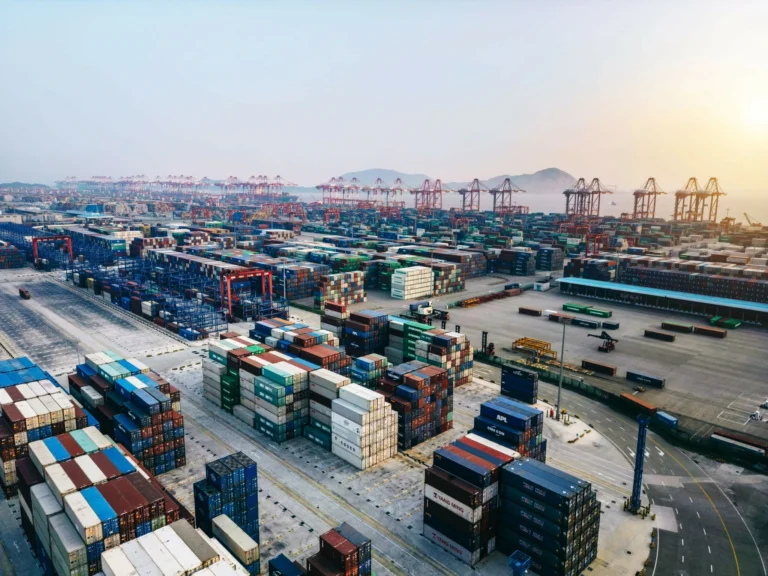
Ottawa, Canada – A stark warning has been issued by the Bank of Canada (BoC) regarding the diminishing global standing of the nation’s ports. According to a recent central bank research report, Canadian ports are significantly less connected to international shipping networks than they were a decade ago, a shift that is increasing supply chain vulnerabilities for domestic shippers.
The report, which utilized satellite data to track container ship and car carrier transits from 2016 to 2023, found that connectivity among Canada’s five largest ports—as measured by the number of distinct international destinations served—has dropped by a striking 74%. The central bank concluded that Canadian ports have become relatively less central in global maritime networks compared to their previous standing.
Researchers attribute much of this decline to a global industry shift toward fewer, ultra-large container vessels (ULCVs). These larger ships, which primarily head to major U.S. West Coast hubs, largely bypass Canadian ports. For instance, the Port of Vancouver receives only about half as many large trans-Pacific vessels (over 11,000 TEUs) as the Port of Los Angeles. Over the last 12 months, Vancouver recorded 143 such calls, while Los Angeles and Long Beach saw 410 and 308 calls, respectively.
This restructuring means many imports destined for Canada—particularly those from Southeast Asia—must first be processed through Southern California and then shipped north by rail or truck. The Bank of Canada warned that this less-central role increases exposure to supply chain disruptions and may ultimately raise business costs.
The findings were published as BoC Governor Tiff Macklem testified before a Canadian Senate banking committee. During his testimony, Macklem stressed the urgent need for greater investment in Canadian transportation infrastructure, noting that ports in Southern California can handle significantly larger vessels than those that currently call on Canadian ports.
Source: https://www.indexbox.io/blog/bank-of-canada-warns-port-connectivity-decline-increases-supply-chain-risk/
My Take as a Viewer
From where I sit, this report is both troubling and unsurprising. For years, I’ve watched headlines about mega-ships and port expansions in places like Los Angeles and Rotterdam, while Canadian ports seemed to quietly fade from the conversation. Seeing a 74% drop in connectivity is staggering—it’s not a small dip; it’s a near-collapse of Canada’s direct link to global shipping.
What really grabs me is the “hidden cost” angle. Most consumers probably think their imported goods come straight to a Canadian dock. In reality, they’re likely landing in California first, then taking a long truck or train ride north. That extra leg adds fuel, time, and congestion costs, which inevitably get passed down to us. It also makes Canadian businesses less competitive.
The Bank of Canada’s warning about increased risk is spot on. If a major disruption hits the Port of Los Angeles—a labor strike, a cyberattack, or even bad weather—Canadian supply chains could seize up despite having our “own” ports. That’s a dangerous dependency.
On the other hand, this feels like a wake-up call Canada can finally act on. Governor Macklem is right: investment is overdue. If we want to shift trade away from the U.S. and build resilience, we need ports that can handle today’s giant ships, not yesterday’s. Otherwise, this connectivity problem will keep costing us—both in dollars and in reliability.
Source excerpt
Bank of Canada Warns Port Connectivity Decline Increases Supply Chain Risk IndexBox
Source: “container shipping” – Google News
FAQ
Why does this container shipping development matter?
The significance lies in what it signals: a notable figure, a decision, or a shift that affects the people, places or organisations named. Those are the points worth following as the story continues.
How current is this container shipping information?
This article was published on May 25, 2026. News changes quickly, so use it as a starting point and check the named source for later corrections, revised figures or follow-up reporting.
Is this container shipping report confirmed?
It reflects what the cited reporting stated at the time, which can be preliminary. For anything consequential, comparing two or more independent reports is the most reliable way to confirm the details.
Who and where is involved in this container shipping story?
The article identifies the main organisations, people and locations tied to the development. Those named entities are the anchors for following how the story evolves across later coverage.
Is "container shipping" - Google News the only source for this container shipping story?
"container shipping" - Google News is the outlet attached to this item, but it should not be the only reference for an important development. Comparing it with other independent reports gives a fuller and more reliable picture.
What are the key figures in this container shipping story?
The article cites figures such as 74%, 12 months and 11,000. Numbers like these convey the scale and direction of what happened; for the exact amount and the context around it, the original report is the reference.