
Strait of Hormuz: Mines and Dual Transit Regime Complicate Return to Normal
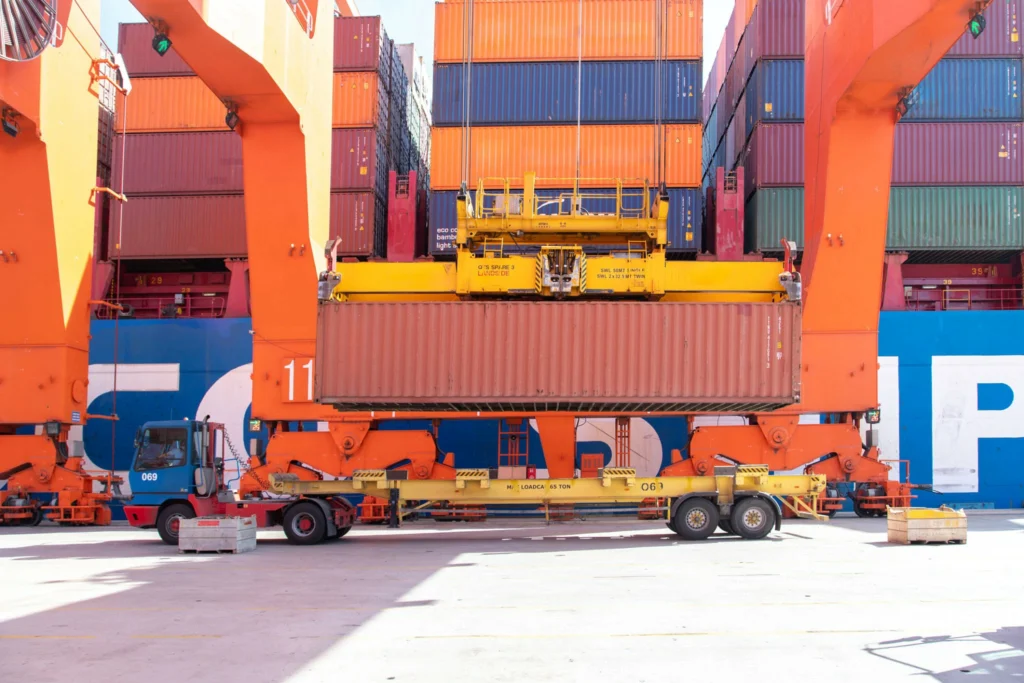
Global energy supply chains are adjusting to a transformed security environment as commercial vessels tentatively resume transits through the Strait of Hormuz. The waterway, a vital conduit for crude oil and liquefied natural gas, now operates under a dual transit regime that reflects lingering threats from unexploded ordnance and the operational scars of recent conflict. Shipping companies face a delicate balancing act between restoring trade flows and managing heightened risks that include minefields and new routing protocols.
The New Transit Reality
Commercial traffic is returning to a strait that bears little resemblance to the pre-war corridor. Maritime authorities have implemented a bifurcated transit system designed to separate inbound and outbound lanes more strictly than before. This dual regime aims to reduce collision risks and better monitor vessel movements in an area where underwater hazards may still be present. Navigational charts have been updated, but the exact locations of all mines and debris remain under investigation, creating uncertainty for captains and fleet managers.
Vessels are now required to adhere to predefined corridors with minimal deviation, while naval patrols and support vessels maintain a visible presence. The International Maritime Organization has issued interim guidance urging ships to transit only during daylight hours and at reduced speeds in designated sectors. Such measures, while necessary for safety, extend voyage times and complicate scheduling for just-in-time energy deliveries.
Mine Clearance and Residual Danger
Mine clearance operations are underway, but progress is slow given the strait’s depth changes and strong currents. Military and commercial salvage teams are working to identify and neutralize explosive remnants, yet the sheer volume of ordnance used during the conflict means full clearance could take months. Until then, shipping firms must rely on updated intelligence and coordination with naval forces. Any misstep could result in catastrophic damage, a risk that weighs heavily on underwriters and shipowners alike.
The presence of mines also complicates salvage and emergency response. In the event of an incident, the window for rescuing crew and preventing environmental disaster is compressed. Ports on both sides of the strait have upgraded emergency protocols, but their capacity to handle a major spill or vessel fire remains constrained by wartime infrastructure damage.
Impact on Shipping and Insurance
War risk premiums for hull and cargo insurance have not returned to pre-conflict levels, reflecting the persistent danger. Additional premiums for transiting the Strait of Hormuz can add thousands of dollars per voyage, a cost that ultimately feeds through to energy prices. Some smaller operators are opting to avoid the area entirely, rerouting around the Cape of Good Hope despite the longer distance and higher fuel consumption. This diversion strains an already fragile global supply chain and intensifies demand for alternative trade corridors.
Larger carriers with robust security protocols are among the first to return, but they are demanding enhanced escort packages and real‑time threat updates. The dual transit regime, while more organized, introduces a layer of bureaucracy that can delay convoys. Shipping agents report that port clearance processes have grown more complex, with additional documentation and compliance checks required for vessels calling at regional hubs.
Broader Market Implications
The altered conditions in the strait have immediate implications for benchmark crude prices and LNG spot markets. Traders are factoring in a persistent risk premium, keeping volatility elevated even as physical flows gradually resume. Downstream, refiners and petrochemical plants that rely on Gulf feedstock are adjusting procurement strategies, building larger inventory buffers where storage allows. In Europe and Asia, energy importers are once again evaluating the Gulf’s reliability as a supply source, with some accelerating diversification efforts toward Atlantic and African suppliers.
Longer-term, the situation may accelerate investment in alternative pipeline routes and floating storage solutions. However, there is no quick substitute for a waterway that handles a significant share of global seaborne oil. The Strait of Hormuz remains irreplaceable for Middle East exports, and the shipping industry must adapt to a new normal that blends military oversight with commercial necessity.
The return of traffic to the Strait of Hormuz marks a critical step, but the waterway now operates under a stricter dual transit system while mines continue to pose a latent threat to commercial shipping.
Why This Matters
The altered security landscape in the Strait of Hormuz has far-reaching consequences for global energy supply chains. Elevated war risk premiums, slower transit speeds, and mandatory routing protocols increase operational costs and delay deliveries. These factors can sustain oil price volatility and push importers to seek costlier alternatives, ultimately affecting everything from industrial production to consumer fuel prices. The waterway’s importance as a chokepoint for crude and LNG means any prolonged disruption or persistent risk premium reverberates across interconnected economies.
FAQ
What is the dual transit regime in the Strait of Hormuz?
The dual transit regime is a new traffic separation scheme that divides inbound and outbound commercial lanes more rigidly than before the conflict. It is designed to improve vessel monitoring, reduce collision risks, and respond more effectively to any mine or security threats. Ships must follow specific corridors, often accompanied by naval oversight, which extends transit times but enhances safety.
Why are mines still a danger in the Strait of Hormuz?
Mines laid during the recent conflict remain uncleared because of challenging underwater conditions, including strong currents and varying depths. Full clearance is expected to take months, leaving residual explosive hazards that could damage hulls or cause catastrophic spills. Shipping companies must rely on cautious navigation and coordination with military forces to mitigate these risks.
How are shipping costs affected by the new conditions?
War risk insurance premiums for vessels transiting the strait remain above pre-conflict levels, adding significant cost per voyage. Furthermore, the dual transit system and slower speeds increase fuel consumption and delay deliveries, compounding expenses. These extra costs are often passed along to charterers and ultimately contribute to higher energy prices for end users.
When will the Strait of Hormuz return to normal?
A full return to pre-conflict normality is not expected in the near term. While commercial traffic has resumed, the dual transit regime and mine clearance operations indicate a protracted adjustment period. Regulators and naval forces will likely maintain enhanced security measures for months, and shipping companies will continue to treat the waterway with heightened caution until all explosive remnants are removed and insurance premiums normalize.
Sources
Source: gCaptain