
Munich AI Startup Secures $3.2M for Freight Forwarding Automation
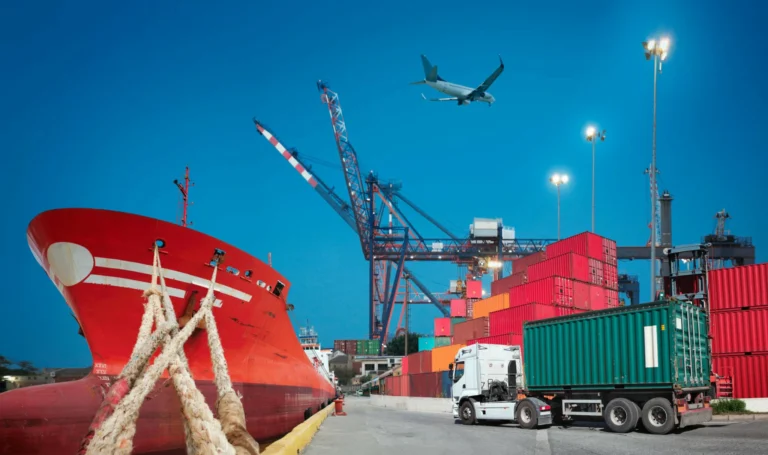
A Munich-based startup has raised $3.2 million in a seed funding round to advance its platform of AI digital workers tailored for the freight forwarding industry. The investment was led by former executives from DHL and Maersk, two of the world’s largest logistics companies. The capital injection will accelerate product development and initial deployments across European forwarders.
Automating the Back Office
Walk into the back office of a mid-sized freight forwarder anywhere in Europe and the scene is one of manual data entry, countless emails, and repurposed spreadsheets. The startup aims to replace these repetitive tasks with AI workers that can interpret shipping documents, update booking systems, and communicate with partners autonomously.

These digital employees are designed to handle the unstructured information that flows through a typical freight forwarding operation—from rate requests to customs documentation. By integrating with existing transportation management systems, they promise to reduce administrative overhead and free human staff for higher-value work.
Industry Context: A Sector Ripe for Change
Freight forwarding has long resisted the kind of digital transformation seen in banking or retail. Many small and medium-sized forwarders still rely on legacy processes that generate errors and delays. The arrival of AI workers offers a new path to efficiency without requiring a full overhaul of established workflows.
Large incumbents like DHL and Maersk have already invested in internal automation, but the startup’s focus on a modular, easily integrated solution could democratize access for the thousands of independent forwarders that make up the backbone of global trade. The involvement of former leaders from these giants signals both the viability of the technology and the strategic importance of backward automation.
Implications for the Global Supply Chain
For shippers and importers, the potential benefits include faster quote turnaround, fewer booking errors, and improved visibility into shipment status. A more efficient freight forwarder sector could ultimately lower the cost of cross-border trade and make supply chains more resilient.
The startup’s success will depend on its ability to deliver measurable gains in pilot projects. If it can prove that AI workers can handle the messy realities of global logistics, it may spur a wave of similar investments and accelerate the industry’s shift toward data-driven operations.
Key Details at a Glance
| Aspect | Detail |
|---|---|
| Startup Location | Munich, Germany |
| Funding Amount | $3.2 million |
| Key Backers | Former DHL and Maersk executives |
| Target Sector | Freight forwarding back offices |
| Technology Focus | AI digital workers |
One open question remains: Can a startup effectively sell AI solutions to an industry that has historically been slow to adopt new technology, even with heavyweight backers? The answer will shape the pace of digital change across global logistics.
Key Figures
This story includes concrete figures such as $3.2 million. The points below pull out the key numbers so the reporting is easier to scan and verify.
- Funding amount: $3.2 million Raised by the Munich startup to develop AI workers for freight forwarding back offices.
Why This Matters
The backing of DHL and Maersk veterans validates the concept of AI workers in freight forwarding, a sector where manual processes still dominate. Their involvement signals industry recognition that automation can address chronic inefficiencies without massive IT overhauls, potentially reshaping how thousands of mid-sized forwarders operate and compete in global trade.
FAQ
What does the startup's AI work on?
The startup develops AI digital workers that automate routine back-office tasks in freight forwarding, such as data entry, document processing, and communication with shipping partners. The goal is to reduce manual administration and improve accuracy for mid-sized forwarders.
Who are the investors?
The $3.2 million seed round was backed by former executives from DHL and Maersk, two leading global logistics firms. Their participation brings both capital and deep industry expertise to the young company.
How will this affect freight forwarding companies?
If successful, the AI workers could lower operational costs, speed up booking and documentation, and allow human staff to focus on customer relationships. It may enable smaller forwarders to compete more effectively with larger, tech-enabled rivals.
When will the technology be available?
The funding will be used to accelerate development and early-stage deployments in Europe. A specific timeline has not been disclosed, but pilot projects with forwarders are likely underway or expected soon.
Sources
Source: Bluesky @eu-de.bsky.social