
Lampung Ferry Expansion Aims to Unclog Ports and Lift Revenue
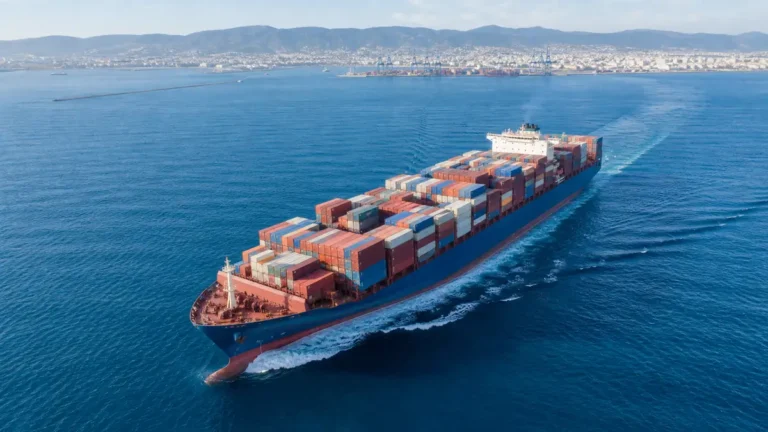
Indonesia’s archipelagic geography makes maritime connectivity a lifeline for both passengers and freight. Ferry services operated by state-owned PT ASDP Indonesia Ferry form a backbone of this network, yet persistent congestion at strategic port nodes has long added hidden costs to logistics chains. The latest initiative to tackle these choke points comes from new ferry routes inaugurated in Lampung, a province on the southern tip of Sumatra that serves as a critical land-sea bridge to Java.
Targeting choke points in the ferry network
Lampung’s Bakauheni port is one of the busiest roll-on/roll-off (Ro-Ro) terminals in the country, handling a constant stream of trucks, buses, and private vehicles plying the Sunda Strait. Queuing times at peak periods have been known to stretch for hours, delaying shipments of agricultural produce, manufactured goods, and raw materials. The new ASDP routes are designed to siphon off a portion of this traffic by offering alternative embarkation points within Lampung and additional frequencies on under‑utilized crossings. By spreading demand across multiple corridors, the operator expects to reduce dwell times, improve vessel turnaround, and ultimately lower the logistics burden for shippers. While the exact routing remains to be fully detailed, early indications point to new links from Panjang and other secondary piers that can intercept cargo flows before they concentrate on Bakauheni.

Revenue strategy built on recurring contracts
Beyond congestion relief, the expansion carries a strong commercial rationale. ASDP is moving toward a model where a larger share of income comes from long‑term agreements with freight forwarders, plantation companies, and manufacturing groups that need guaranteed space on regular sailings. Such contracts generate recurring revenue streams that are less volatile than walk‑up ticket sales. With Lampung’s economy anchored in palm oil, rubber, coffee, and coal, the availability of dependable ferry slots allows producers to schedule deliveries with greater certainty. This, in turn, can attract more business to the new services and help ASDP meet internal performance targets set by the Ministry of Transportation.
Broader implications for Sumatra’s logistics corridor
Sumatra’s transport infrastructure has seen significant upgrades in recent years, including toll road extensions and revitalized railway segments. Yet the sea leg remains a critical variable. New ferry capacity in Lampung has the potential to shorten end‑to‑end transit times for goods moving from Medan, Pekanbaru, or Palembang toward markets in Java and beyond. It also aligns with government ambitions to moderate the chronic overload at Merak and Bakauheni, which together form the nation’s busiest ferry axis. Freight forwarders operating in the region note that even a modest reduction in port waiting time can translate into meaningful savings on driver hours, fuel, and inventory carrying costs. For inter‑island supply chains, the multiplier effect can be substantial when repeated across thousands of sailings each year.
Operational and regulatory considerations
All new services must satisfy safety and environmental standards set by Indonesia’s Directorate General of Sea Transportation, including vessel seaworthiness inspections and port facility readiness. ASDP has committed to deploying modern Ro‑Ro tonnage with higher capacity per sailing, which improves fuel efficiency per unit of cargo. The addition of routes also requires adjustments to slot allocation at receiving terminals on Java, where dock availability can be tight. Coordination with port authorities will be essential to avoid shifting congestion from one node to another. Observers expect a phased rollout, with initial sailings tested during off‑peak periods before full commercial operations are launched.
Competitive landscape and market position
ASDP is the dominant Ro‑Ro player in the state‑owned segment, but it competes with private operators on some short‑sea lanes and faces growing interest from logistics investors eyeing an integrated sea‑land offering. By expanding its own network, ASDP not only strengthens its market presence but also creates a platform for value‑added services such as door‑to‑door freight and digital booking. The Lampung routes could serve as a template for similar additions in other congested corridors, such as East Java–Bali or Kalimantan’s busier crossings. If successful, the move may prompt competitors to upgrade their own fleets and service patterns, benefiting the broader logistics community.
| Aspect | Details |
|---|---|
| Operator | PT ASDP Indonesia Ferry (Persero) |
| Location | Lampung Province, Sumatra |
| Primary objective | Relieve congestion at main ports (esp. Bakauheni) |
| Revenue model | Recurring contracts with freight forwarders and producers |
| Strategic value | Shorten transit times on Sumatra–Java freight corridor |
| Regulatory oversight | Ministry of Transportation, Directorate General of Sea Transportation |
Further announcements are expected once the initial service patterns have been validated with port authorities and early commercial partners. The market will be watching for volume data from the first quarter of operation to gauge how much relief the new routes actually deliver.
Why This Matters
Indonesia’s inter‑island logistics depend on ferry capacity that is often overstretched. By opening alternative routes in Lampung, ASDP addresses a chronic bottleneck that delays freight and inflates costs across Sumatra–Java supply chains. The move also signals a shift toward contract‑based recurring revenue, giving the operator more financial stability while offering logistics firms predictable, reliable sea‑leg capacity.
FAQ
Who is PT ASDP?
PT ASDP Indonesia Ferry is a state‑owned enterprise that operates the largest fleet of roll‑on/roll‑off ferries in Indonesia. It serves as the backbone of maritime connectivity for passengers, vehicles, and cargo across the archipelago’s major islands.
What are the new ferry routes in Lampung?
The newly launched routes are additional crossings within Lampung province that provide alternatives to the heavily congested Bakauheni–Merak corridor. While precise routing is still being finalized, they are expected to connect secondary ports like Panjang to destinations on Java and potentially nearby islands.
How will the routes ease port congestion?
By diverting a share of freight and vehicle traffic away from the busiest terminals, the new routes can reduce queue lengths and turnaround times. This spreads demand across multiple embarkation points, lowering peak pressure at Bakauheni and helping logistics operators maintain tighter schedules.
When will these ferry routes become fully operational?
A phased rollout is anticipated, starting with trial sailings during off‑peak periods. Full commercial operations will follow after coordination with port authorities and regulatory clearances are completed, though no specific date has been publicly announced.
Why is this significant for Sumatra’s logistics?
Sumatra is a major producer of commodities like palm oil, rubber, and coal, all of which rely on efficient sea links to reach markets in Java and beyond. Relieving port congestion can shorten transit times, reduce inventory costs, and make the entire logistics corridor more competitive.
Sources
- PT ASDP (indonesiaferry.co.id)
- Ministry of Transportation (dephub.go.id)
Source: Bluesky @jatimaktual.bsky.social