
Ghana’s Swiftway Digitizes Freight Forwarding for African Traders
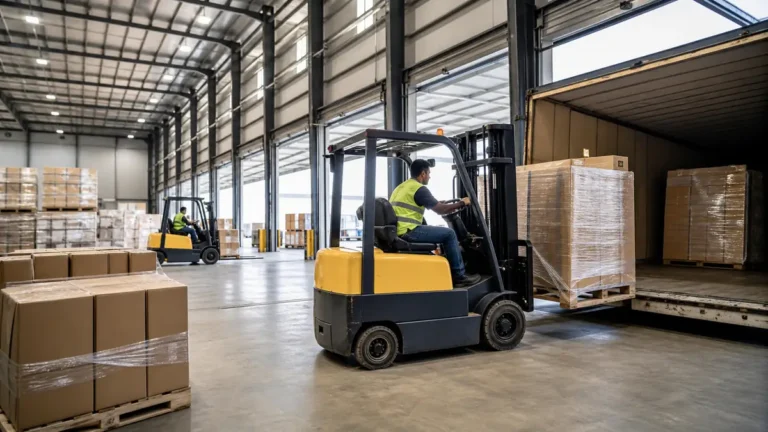
The fragmentation of Africa’s logistics networks has long hindered the continent’s economic integration. Now, a Ghanaian startup is stepping in with a digital-first solution. As reported by Disrupt Africa, Swiftway has launched a digital freight forwarding platform built specifically for African businesses.
Addressing Africa’s Logistics Challenges
Africa’s freight forwarding landscape is marked by high costs, opaque processes, and significant delays. Traditional methods rely heavily on manual paperwork, phone calls, and fragmented communication between shippers, carriers, and customs agents. For small and medium enterprises, these barriers often make cross-border trade prohibitively expensive and unpredictable. Digital platforms can streamline these interactions, offering automated quotes, real-time tracking, and integrated documentation – a shift that could transform how goods move across the continent.
How Swiftway’s Platform Works
Swiftway’s digital interface connects businesses directly with freight services, simplifying the entire shipping lifecycle. Users can request quotes, book shipments, and manage documentation online, reducing the need for intermediaries. The platform likely aggregates available carrier capacity and optimizes routes, much like other digital freight forwarders globally but tailored to African trade corridors. By automating routine tasks, Swiftway aims to cut the time and cost involved in moving goods, making logistics as straightforward as ordering a product online.
Impact on Regional Trade and SMEs
More accessible freight forwarding could have a ripple effect on intra-African commerce. With the African Continental Free Trade Area (AfCFTA) driving closer economic ties, affordable and reliable logistics are essential. Smaller businesses, which often lack the volume to negotiate favorable rates, stand to benefit most from such a platform. By lowering entry barriers, Swiftway might encourage more traders to explore regional markets, supporting the broader goal of economic integration and job creation across the continent.
| Aspect | Details |
|---|---|
| Target Market | African businesses, from small traders to larger enterprises |
| Core Offering | Digital freight forwarding platform |
| Key Benefits | Automation, transparency, cost reduction, simplified logistics |
| Geographic Focus | Pan-African trade corridors, starting from Ghana |
| Technology | Online booking, real-time tracking, digital documentation |
| Potential Impact | Lower trade barriers, support for AfCFTA goals |
Why This Matters
Africa’s logistics sector is notoriously inefficient, with high costs and delays that stifle trade. Swiftway’s digital approach could reduce barriers for small businesses, boost intra-African commerce, and demonstrate the potential of homegrown tech solutions in transforming critical infrastructure.
FAQ
What is Swiftway?
Swiftway is a digital freight forwarding platform based in Ghana, designed to simplify the process of shipping goods across Africa by digitizing logistics operations. It connects businesses with freight services online, eliminating much of the paperwork and manual coordination typically involved.
Who can use Swiftway’s platform?
The platform is built for African businesses of all sizes, from small traders to larger enterprises, that need to move goods domestically or across borders. It particularly targets those frustrated by the high costs and inefficiencies of traditional freight forwarding in Africa.
How does digital freight forwarding improve logistics in Africa?
Digital freight forwarding automates quoting, booking, and tracking shipments, reducing delays and errors. It also increases transparency in pricing and documentation, which can lower the overall cost of trade and make it easier for businesses to plan and execute shipments.
Why is this launch significant?
The launch is significant because it addresses a critical bottleneck for African trade. By offering a modern, tech-driven solution, Swiftway could help more businesses participate in regional and international trade, potentially supporting the goals of the African Continental Free Trade Area (AfCFTA) to boost intra-continental commerce.
Sources
- Disrupt Africa (disruptafrica.com)
Source: – Disrupt Africa