
Freight forwarder welcomes new apprentice
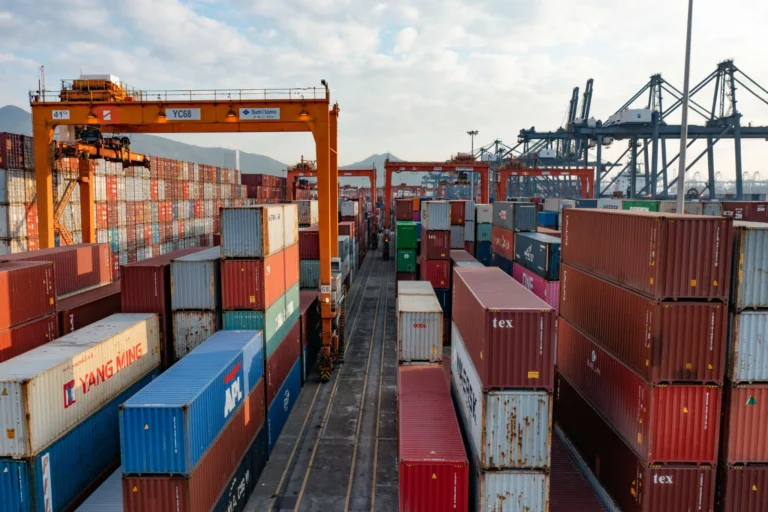
The sound of keyboards and ringing phones now includes a fresh voice at a Midlands freight forwarding office, where a new apprentice has begun their career journey. The Greater Birmingham Chambers of Commerce confirmed the appointment, marking another step in the region’s push to strengthen its logistics workforce.
Investing in the Next Generation
The unnamed freight forwarder has a long-standing presence in Birmingham’s commercial landscape. By bringing on an apprentice, the firm signals confidence in hands-on training as a way to develop job-ready talent. This move aligns with a broader industry pattern: faced with an ageing workforce and complex global supply chains, logistics companies are increasingly leaning on apprenticeships to secure their future.
Programmes like these offer young people a direct route into a career that touches every corner of international trade. For the employer, an apprentice can quickly learn company-specific processes, from customs documentation to client liaison, while contributing to daily operations.
What Does a Freight Forwarding Apprenticeship Involve?
A typical apprenticeship blends practical experience with formal learning. New recruits spend their days inside a working environment, shadowing experienced colleagues and gradually taking on responsibilities. Parallel classroom study—often at a local college or through a training provider—covers the theory behind global logistics.
Key areas of learning include:
- Preparing and checking shipping documents such as bills of lading or air waybills
- Understanding customs clearance and import/export regulations
- Coordinating with carriers, hauliers, and warehouse teams
- Using specialised software to track shipments in real time
- Managing customer queries and providing freight quotations
Many apprentices work towards a Level 3 qualification in International Freight Forwarding, awarded by bodies like the British International Freight Association (BIFA). Some may progress to higher qualifications or specialist roles in supply chain management.
Industry Support and Future Growth
The Greater Birmingham Chambers of Commerce has long championed vocational training as a tool for economic resilience. Its endorsement of this apprenticeship reflects a wider recognition that the logistics sector must attract young talent to thrive. With e‑commerce booming and Brexit reshaping trade routes, the demand for skilled freight professionals has never been greater.
Local training providers and government initiatives often subsidise apprenticeship costs, making them an affordable talent pipeline for firms of all sizes. In the West Midlands, apprenticeship starts in transport and logistics have climbed steadily, though employers say more could be done to raise awareness among school leavers.
For the new apprentice, the road ahead will be demanding yet rewarding. Each consignment that moves from supplier to customer tells a story of coordination, compliance, and problem‑solving—skills that can now be built from the ground up.
Why This Matters
Apprenticeships in freight forwarding address chronic talent shortages in logistics, equipping newcomers with practical skills in global trade and supply chain management. As older workers retire, such programs ensure continuity and innovation in an industry vital to economic resilience.
FAQ
How do I become a freight forwarder apprentice?
Typically, you need GCSEs in English and maths. You then apply to local freight companies or through government apprenticeship websites. The program combines on-the-job training with classroom learning, often leading to recognized qualifications.
What skills does a freight forwarding apprentice learn?
Apprentices learn documentation, customs procedures, carrier coordination, and customer service. They also master software tools for tracking shipments and understanding international trade compliance.
Why are apprenticeships important in freight forwarding?
Apprenticeships help fill the skills shortage in logistics by providing a structured pathway for young people. They allow companies to mold talent specifically for the complex demands of global supply chains.
What qualifications does a freight forwarding apprenticeship offer?
Many apprenticeships lead to a Level 3 qualification in International Freight Forwarding or a similar certification. Some programs also offer foundation degrees or professional accreditation from bodies like the British International Freight Association (BIFA).