
Evolving the cargo network: How legacy experience shapes a resilient, future-ready strategy
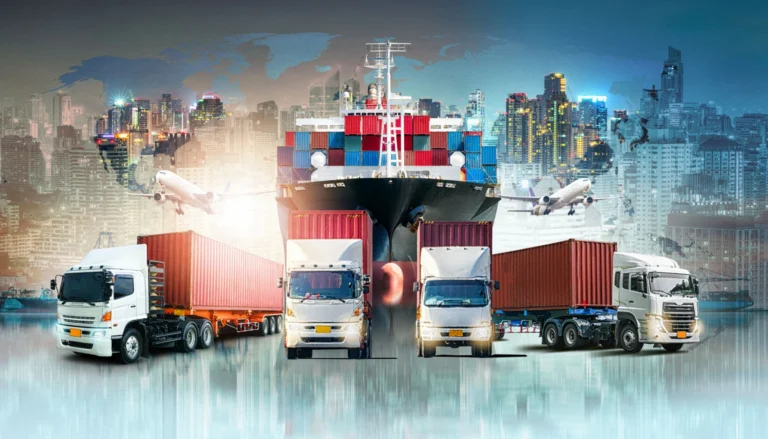
Global air cargo networks face unprecedented pressure from shifting trade patterns, digital disruption, and the lingering aftershocks of pandemic-era volatility. Against this backdrop, industry leaders are re-examining the very architecture of their logistics chains, searching for models that merge reliability with agility. The question is no longer whether to adapt but how quickly decades of institutional knowledge can be harnessed to build something both resilient and forward-looking.
The Role of Legacy Experience in Modern Logistics
Long-established freight operators possess an intangible asset that technology alone cannot replicate: a deep, intuitive understanding of trade lane nuances, regulatory landscapes, and cultural negotiation norms. This experiential intelligence, accumulated over countless shipments and crises, enables faster, more informed decision-making under pressure. While algorithms optimize volumes, seasoned logistics professionals anticipate bottlenecks before they appear in data feeds.
Moreover, legacy networks often include relationships with customs authorities, ground handlers, and local partners that have matured over decades. Trust built through repeated collaboration becomes a competitive moat, smoothing clearance processes and expediting last-mile delivery in challenging destinations. In a sector where minutes can mean millions, that institutional trust translates directly into service reliability.
However, experience alone cannot counteract every modern threat. Weather disruptions, geopolitical instability, and sudden capacity crunches demand a complementary digital backbone. The most effective strategies layer analytics on top of legacy wisdom, allowing veterans to validate machine-generated recommendations against their own market instincts.
Building Resilience Through Network Diversification
Concentration risk has emerged as a dominant concern following extended port closures and airspace restrictions. Forward-thinking freight forwarder teams increasingly design networks with multiple routing options, avoiding over-reliance on any single hub. Secondary gateways in Africa, for example, are gaining attention as import volumes grow and main hubs approach saturation.
A resilient cargo network does not merely duplicate paths; it actively balances cost, speed, and risk across lanes. This requires granular data on transit times, customs performance, and local infrastructure capacity—details that legacy operators often already possess in proprietary databases. Harnessing that data for dynamic re-routing becomes a powerful hedge against disruption.
Equally important is the human layer. Experienced staff can rapidly activate alternative ground transport links when an airport closes, leveraging local knowledge that no external platform can instantly replicate. Their ability to improvise within regulatory boundaries keeps supply chains moving when rigid plans fall apart.
Technology as a Catalyst for Future-Ready Operations
Digitalization is not replacing experience; it is amplifying it. Cloud-based visibility platforms now integrate booking, tracking, and documentation into unified dashboards, giving logistics professionals real-time control over multimodal shipments. Machine learning algorithms mine historical shipment data to predict demand surges and recommend pre-positioning of capacity.
Yet, technology adoption must be intentional. Simply layering new tools onto outdated processes creates friction and data silos. Successful transformations map digital workflows to the actual decision-making patterns of skilled teams, preserving the value of human judgment while automating repetitive tasks. The goal is a symbiotic relationship where algorithms handle complexity at scale and experts handle exceptions.
Cybersecurity also enters the resilience equation. As cargo networks become more digitized, the attack surface expands. Legacy players with a cautious, process-disciplined culture often fare better in embedding security protocols early, avoiding the vulnerabilities that rapid, unchecked digitization can introduce.
Sustainability and Long-Term Strategy
Environmental pressures are reshaping network design, pushing operators to reconsider aircraft types, routing efficiencies, and modal shifts. Sustainable aviation fuel adoption, carbon offset programs, and optimized load factors are no longer optional—they are prerequisites for retaining corporate clients with strict ESG mandates. Legacy carriers that have long invested in fleet efficiency find themselves at an advantage.
Long-term strategy also involves nurturing talent. As veteran staff retire, their knowledge must be codified and transferred to younger generations. Mentorship programs, shadowing arrangements, and curated knowledge bases ensure that decades of situational awareness are not lost. Companies that treat experience as a renewable resource will maintain operational resilience.
Regulatory evolution adds another dimension. Trade agreements, customs digitization initiatives, and security regulations evolve continuously. Networks designed with flexibility in mind—capable of absorbing new documentation requirements or sanction regimes without major disruption—reflect a maturity born from navigating past regulatory upheavals.
How can legacy air cargo operators effectively transfer intuitive, experience-based decision-making to younger, digitally native teams without sacrificing speed or service quality?
Why This Matters
The air cargo sector stands at a crossroads where institutional memory and digital innovation must converge. As global trade becomes more volatile, the ability to blend human judgment with predictive analytics will define which networks survive shocks and which falter. Understanding how legacy experience translates into future-ready strategy provides a blueprint for modern logistics resilience.
FAQ
Why is legacy experience still important in modern air cargo?
Legacy experience encompasses deep knowledge of trade lane intricacies, regulatory environments, and trusted local partnerships that technology alone cannot replace. This human judgment helps anticipate disruptions and enables faster, context-aware decisions, especially in crisis situations where standardized algorithms may fall short.
How can cargo networks build resilience against disruptions?
Resilience comes from network diversification—avoiding over-reliance on single hubs, maintaining alternative routes, and using historical data to pre-position capacity. It also requires flexible processes and experienced staff who can activate contingency plans rapidly when unexpected events occur.
What technologies are shaping future-ready cargo operations?
Cloud-based visibility platforms, machine learning for demand forecasting, and integrated booking and tracking systems are key. These tools amplify human expertise by automating routine tasks and providing real-time data, allowing teams to focus on exception management and strategic decisions.
How does sustainability influence cargo network strategy?
Sustainability pressures drive choices in fleet selection, routing optimization, and modal shifts. Adoption of sustainable fuels, carbon offsetting, and improved load factors is critical to meet client ESG requirements, and legacy carriers with existing efficiency programs often have a head start in complying with environmental regulations.
Sources
Source: "air cargo" – Google News