
Dubai Simplifies Animal Feed Importation with Streamlined Customs Clearance
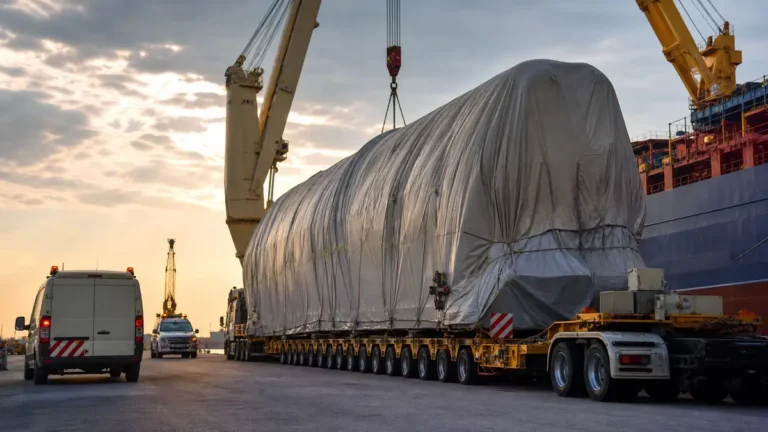
Importing animal feed into Dubai now follows a more efficient customs process designed to speed up clearance and door delivery while upholding strict safety standards.
Dubai authorities have overhauled the import procedure for animal food, aligning it with federal regulations to safeguard public and animal health. The updated framework places a premium on documentation, requiring importers to submit a product registration certificate, a health certificate, and a free sale certificate from the country of origin. These papers collectively verify that the feed meets UAE biosecurity norms and is legally marketed elsewhere.
Traders who previously faced lengthy clearance delays now benefit from a coordinated customs-to-door logistics chain. The initiative reduces redundant inspections and administrative friction, enabling feed consignments to move from port to farm with fewer stops. A centralized digital platform reportedly underpins the new workflow, though specific technical details remain limited.
Market Context: Rising Demand for Livestock Feed in the UAE
The United Arab Emirates depends overwhelmingly on imported animal feed to sustain its domestic livestock sector, which supplies dairy, poultry, and red meat to a growing population. Annual feed imports run into hundreds of thousands of tonnes, making customs efficiency a critical factor in food security. Any disruption at the border can ripple through the supply chain, inflating prices and jeopardizing animal welfare. Streamlining clearance aligns with the national strategy to build a resilient agri-food system while containing operational costs for importers.
Global trade patterns have also intensified the need for rapid processing. Major feed exporters in South America, Europe, and Asia compete to serve the Gulf market, where transit times of several weeks already strain shelf life. By smoothing administrative hurdles, Dubai positions itself as a preferred entry point for shippers who might otherwise route through competing regional hubs.
Technical and Standards Implications: Documentation and Compliance
The mandated paperwork reflects the UAE’s rigorous approach to biosecurity and consumer protection. A product registration certificate confirms that the feed formula has been reviewed by the Ministry of Climate Change and Environment, ensuring it contains no prohibited additives. A health certificate, issued by the veterinary authority in the exporting country, attests that the shipment is free from transmissible diseases and contaminants. A free sale certificate demonstrates that the product is lawfully marketed in its home jurisdiction, adding an extra layer of assurance.
These requirements are consistent with international guidelines set by the World Organisation for Animal Health (WOAH) and Codex Alimentarius. However, importers must remain vigilant about the issuing authority and the certificate’s validity period, as non-compliant documents can still trigger rejections. The streamlined customs protocol does not lower the bar—it simply accelerates the verification steps once the correct papers are in hand.
| Aspect | Details |
|---|---|
| Core change | Faster customs clearance and integrated door delivery |
| Required documents | Product registration, health certificate, free sale certificate |
| Regulatory reference | UAE federal regulations on feed safety |
| Benefit to importers | Reduced delays, lower administrative burden, predictable logistics |
| Impact on food security | Stabilizes feed supply for livestock, supporting dairy and meat production |
What to Watch Next
Industry observers expect the model to expand to other perishable food categories, as the UAE accelerates its digital customs transformation. The Ministry of Climate Change and Environment may also update its feed import regulations to harmonize with emerging Gulf Cooperation Council (GCC) standards, potentially simplifying cross-GCC movement of animal feed. Importers should monitor the Dubai Customs website for any procedural refinements or additional document requirements.
The next likely checkpoint is the publication of a formal circular by Dubai Customs detailing the updated clearance workflow, or a supplier confirmation from a major feed shipping line that the new process has been fully operationalized.
Why This Matters
Efficient customs procedures for animal feed are critical to the UAE’s food security strategy, reducing import delays and ensuring a steady supply of high-quality feed for the livestock sector. This streamlining aligns with the country’s push to become a global logistics hub while maintaining strict biosecurity standards.
FAQ
What change has Dubai made for animal feed imports?
Dubai has streamlined customs clearance and door delivery for animal feed, making the process faster and more efficient while still adhering to UAE safety and quality regulations.
Which documents are now required for importing animal feed into Dubai?
Importers must provide a product registration certificate, a health certificate from the exporting country, and a free sale certificate to prove the feed is legally sold in its country of origin.
Why is this streamlining significant for the UAE?
The UAE imports the vast majority of its animal feed, so efficient customs clearance helps ensure a stable supply for the livestock sector, supporting food security and price stability.
When did the new customs process take effect?
The exact effective date has not been specified, but the initiative has been announced and is already being implemented by Dubai authorities as part of ongoing trade facilitation efforts.
Sources
- Dubai Customs (dubaicustoms.gov.ae)
- Ministry of Climate Change and Environment (moccae.gov.ae)