
Digital Freight Tools Gain Traction as Logistics Goes Automated
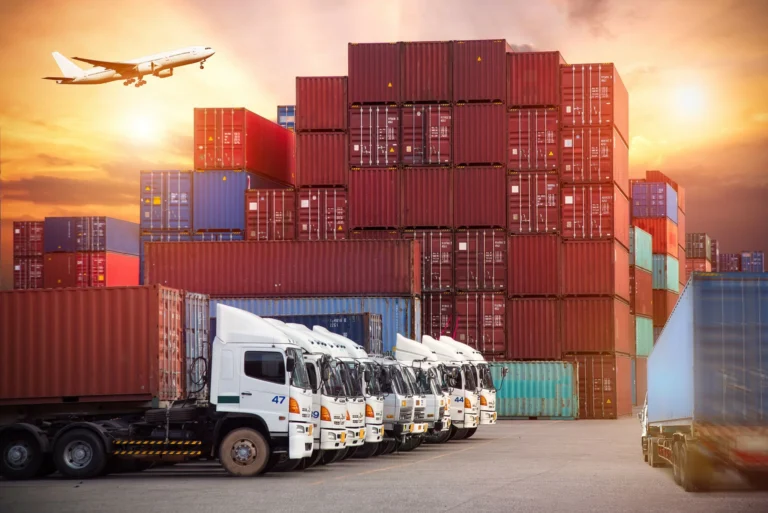
The freight forwarding industry is steadily embracing digital platforms, moving away from paper‑based processes to automated systems that promise greater efficiency and real‑time visibility. A recent analysis by PC Tech Magazine highlights how technology is reshaping the way goods are booked, tracked and delivered across global supply chains.
Market Context
E‑commerce and Supply Chain Pressures Fuel Adoption
Global e‑commerce growth has intensified demands on logistics providers. Online retailers and their customers expect fast, transparent delivery, pushing freight forwarders to offer instant digital quotes, online booking and live shipment tracking. The pandemic exposed severe weaknesses in manual, document‑dependent workflows, accelerating the shift toward cloud‑based platforms that can keep information flowing even during disruptions.
At the same time, shippers are consolidating their logistics partners and seeking greater cost visibility. Digital freight forwarders respond by aggregating rates from multiple carriers, allowing businesses to compare options in seconds rather than days. This democratisation of data reduces reliance on long‑term, opaque contracts and gives smaller importers and exporters the agility once reserved for large multinationals.
Technical and Standards Implications
Data Integration and Emerging Industry Standards
Behind the user‑friendly dashboards lies a complex web of application programming interfaces (APIs) that connect freight platforms to carrier systems, customs databases, and warehouse management software. Standardising these connections remains a challenge. Industry bodies such as the International Federation of Freight Forwarders Associations (FIATA) are working on open data models to ensure different systems can communicate seamlessly.
Blockchain technology has also been explored for creating immutable records of shipping documents, though wide‑scale adoption depends on agreement over common protocols. Meanwhile, the International Air Transport Association (IATA) continues to push for electronic air waybills, while maritime regulators inch toward recognising electronic bills of lading as legally equivalent to paper. Each step toward standardised digital documentation reduces manual re‑keying, cuts down on errors, and speeds up customs clearance.
What to Watch Next
AI, Predictive Analytics and Regulatory Developments
Artificial intelligence is beginning to play a larger role in freight forwarding, from route optimisation and demand forecasting to dynamic pricing models. Predictive analytics can flag potential delays before they occur, enabling proactive rerouting. These capabilities are moving from pilot programmes to production systems at a growing number of logistics firms.
Regulatory bodies are also adapting. The acceptance of digital documents varies by jurisdiction, but momentum is building for harmonised rules. As data‑sharing frameworks mature, companies may face tougher cybersecurity requirements, balancing the benefits of open networks with the need to protect sensitive commercial information. Market consolidation is another trend to monitor: established carriers and traditional forwarders are acquiring tech startups, while venture‑backed platforms continue to scale rapidly.
As the industry navigates this shift, one open question remains: Will legacy freight forwarders with decades of relationships manage to reinvent themselves quickly enough, or will agile, tech‑first newcomers dominate the market?
| Aspect | Details |
|---|---|
| Core Technologies | AI, blockchain, cloud platforms, API integration |
| Primary Benefits | Real‑time tracking, cost transparency, faster booking |
| Market Drivers | E‑commerce growth, supply chain disruptions, customer demand |
| Key Challenges | Data standardisation, legacy system integration, regulatory hurdles |
| Future Outlook | Increased automation, predictive analytics, possible market consolidation |
Why This Matters
Adopting digital freight forwarding is increasingly critical for competitiveness, as it reduces transit times and operational costs while improving supply chain resilience. However, fragmented standards and legacy systems remain hurdles to overcome.
FAQ
What is digital freight forwarding?
Digital freight forwarding uses online platforms and automation to manage the shipment of goods, replacing traditional phone‑ and paper‑based processes. It enables shippers to compare rates, book cargo space and track shipments in real time.
Why is digital freight forwarding considered the future of logistics?
It offers greater efficiency, transparency and scalability compared to manual methods. As supply chains become more complex and customer expectations rise, digital tools provide the agility needed to compete.
What technologies are driving the digital transformation?
Key technologies include artificial intelligence for route optimisation, blockchain for secure documentation, cloud‑based platforms for collaboration and APIs that connect different logistics systems.
When will digital freight forwarding become mainstream?
Adoption is accelerating, with many startups and incumbents already offering digital services. Full mainstream adoption may take several years as standards evolve and regulatory frameworks adapt, but the trend is clear.
Sources
- PC Tech Magazine (pctechmagazine.com)
- International Federation of Freight Forwarders Associations (FIATA) (fiata.com)
Source: PC Tech Magazine