
Customs Tightens Lab Testing for Small Air Freight Shipments
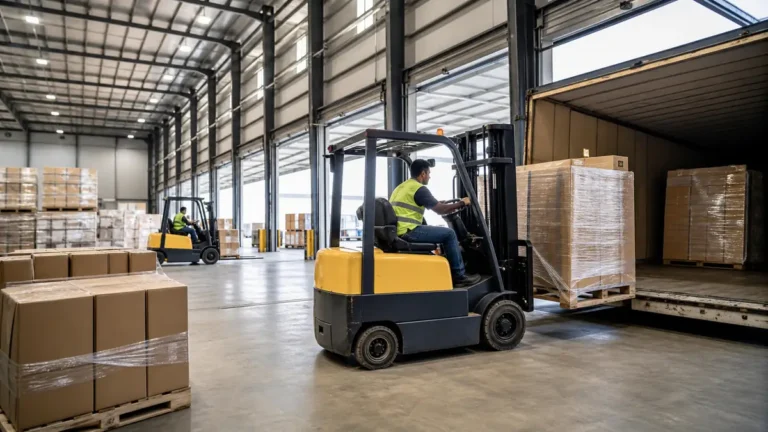
Customs authorities are significantly increasing laboratory testing of air freight, with small suppliers now facing near-certain inspections, while large container importers enjoy a streamlined process after initial checks.
Small Shipments Under Microscope
The new focus marks a departure from traditional random sampling. Small parcels and consignments from infrequent shippers will be directed to laboratories almost every time. This heightened scrutiny aims to close gaps in border security that smaller, less predictable supply chains can create. Without an established compliance record, each shipment is treated as a potential risk, subjecting goods to detailed chemical, safety, and authenticity analyses.
For shippers relying on air freight from China and other major export hubs, this means potential delays and added warehousing charges while samples are tested. The cost of lab fees may also be passed down, squeezing margins for businesses that ship low volumes.
Large Importers Benefit from Compliance Assumption
High-volume importers moving containerised air freight will face random testing on their first few consignments. Once a clean pattern is established, customs will assume ongoing compliance and reduce interventions dramatically. This “trusted trader” dynamic rewards scale and consistent logistics practices, potentially creating a two‑tier system in air freight clearance. The approach aligns with the World Customs Organization’s risk management guidelines, which encourage targeting resources where the probability of non‑compliance is highest.
Supply Chain Implications for Shippers
The policy shift could reshape how businesses structure their distribution. Smaller firms may consolidate shipments through larger freight forwarders to benefit from their compliance track records, while e‑commerce sellers using direct air mail could see delivery promises slip. Industry observers note that air freight rates from smaller shippers may rise to offset inspection overheads, and customs brokers are already advising clients to build extra lead time into supply chains.
Customs agencies have not specified a timeline for full implementation, but the trend is already visible in major air cargo hubs. Trade associations urge small exporters to invest in pre‑shipment inspection and documentation to reduce border friction.
| Aspect | Details |
|---|---|
| Small shipments | Near-constant lab testing |
| Large shipments | Random initial tests, then assumption of compliance |
| Small supplier impact | Higher costs, delays, potential supply chain disruption |
| Large importer impact | Faster clearance after initial checks, lower inspection burden |
| Risk basis | Based on compliance history; small shippers seen as higher risk |
Stakeholders Most Affected
Small and medium exporters, freelance e‑commerce sellers, and niche manufacturers stand to absorb the brunt of the new testing regime. Customs brokers must adapt their clearance strategies, while freight forwarders may see a surge in consolidation demand. Ultimately, consumers ordering low‑value goods from overseas could encounter longer delivery times as every small parcel faces a lab stop.
Why This Matters
This policy shift could dramatically raise compliance costs for small suppliers and alter supply chain dynamics, potentially slowing e-commerce deliveries. It incentivizes consolidation among importers and may push small businesses toward larger freight forwarders who can navigate the new testing regime, ultimately reshaping global trade patterns.
FAQ
What is changing in customs air freight inspections?
Customs authorities are increasing lab testing of air freight shipments, particularly targeting small volumes from small suppliers, with nearly every such shipment now being tested. Large container shipments will still face random tests initially but will then be assumed compliant.
Why are small air freight shipments being targeted?
Small, infrequent shipments from small suppliers are considered higher risk because they lack a track record of compliance. Customs aims to intercept illicit or non-compliant goods, and small-scale shippers are statistically more likely to have irregularities.
How does this affect large importers?
Large importers who ship container loads by air will undergo random testing on their first few shipments. After that, customs will generally assume their goods are compliant, allowing for faster clearance and lower inspection-related delays.
When will this policy take effect?
This trend is already being observed as customs agencies adopt risk-based inspection models. Shippers should prepare for immediate impacts on air freight processing times and costs.
Sources
- World Customs Organization (wcoomd.org)
Source: Bluesky @ososalsosal.bsky.social