
Textiles Shipping from China
Export freight for textiles — packing specification, container loading, HS classification and clearance. Quoted EXW, FOB, CIF, CIP or delivered duty-paid.
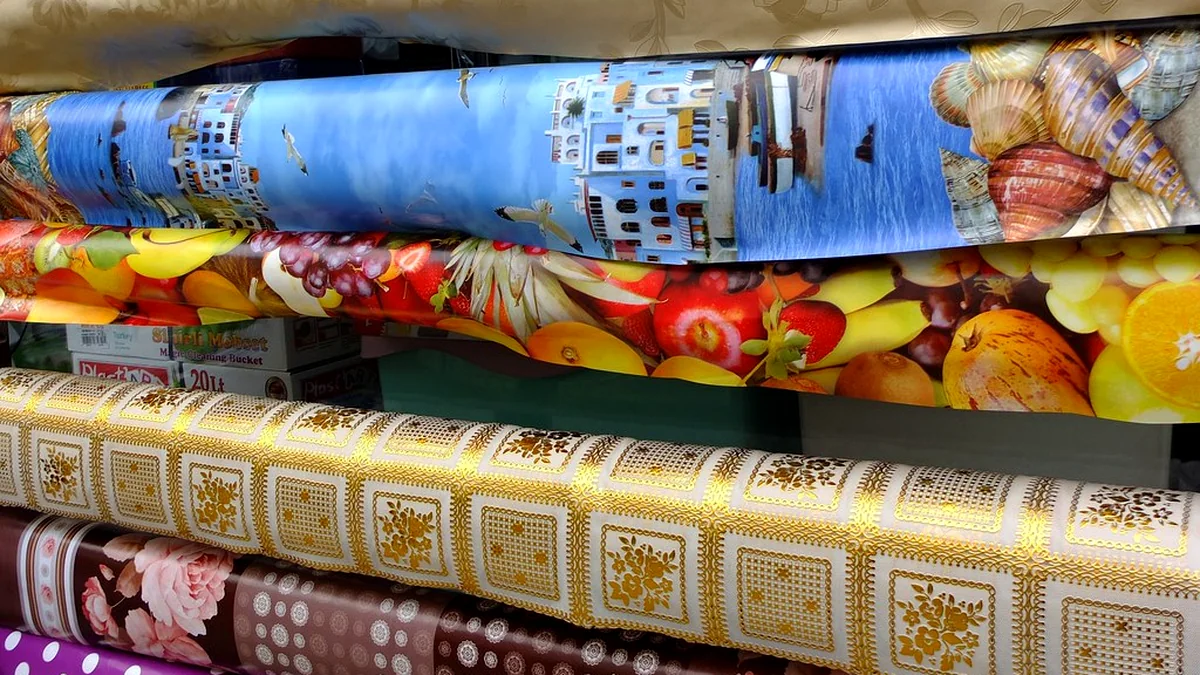
Textiles shipping from China is straightforward once the cargo is understood: this is freight that roll and bale goods, priced on volume and ruined by moisture, and the routing follows from that.
It changes how the shipment prices. Usually weight-limited. Coil and plate carry serious mass in a small footprint, so payload runs out early and the floor loading per square metre becomes the binding constraint rather than total gross.
One thing specific to this material. Container rain. Fabric loaded warm and humid in a southern Chinese summer will condense on the container roof in a cold crossing and drip onto the top layer. Desiccant sized to the load and a full container lining are the fix, and both are cheap.
One compliance step accounts for most delays on this commodity: OEKO-TEX or REACH evidence, and origin documents for preferential duty. Classification sits in chapter 50–63 / 64 / 42; the exact code varies by specification, so verify it before budgeting duty.
Freight reference — Textiles
| Typical HS chapter | 50–63 / 64 / 42 |
|---|---|
| Cargo behaviour | Roll and bale goods, priced on volume and ruined by moisture |
| How it prices | Weight-limited |
| Usual service | Sea FCL |
| Main compliance step | OEKO-TEX or REACH evidence, and origin documents for preferential duty |
| Trade terms available | EXW, FOB, CIF, CIP, DAP or delivered duty-paid |
HS chapters are indicative. The binding classification depends on your exact specification — confirm the heading before relying on a duty estimate.
Packing and protection
Rolls travel best on their ends in stillages or suspended on bars — laid flat and stacked, the bottom rolls crush and the fabric takes a permanent crease line. Wrap every roll individually; container condensation reaches the outer layer first.
Loading the container
In the box: Support the full footprint. Anything overhanging its bearers will deform under its own weight during a four-week transit, and coils must be chocked so they cannot rotate — a coil that starts rolling at sea will not stop.
Choosing the service
Which service: Sea FCL. Coated and mirror-finish material is worth loading into a clean, inspected container: rust bloom and condensation staining are cosmetic defects that still get the load rejected.
Where it usually goes wrong
Container rain. Fabric loaded warm and humid in a southern Chinese summer will condense on the container roof in a cold crossing and drip onto the top layer. Desiccant sized to the load and a full container lining are the fix, and both are cheap.
Live rates on lanes that carry this cargo
Published per-kilo and per-CBM rates from China, updated from carrier feeds. Rates are lane-based rather than commodity-based, so these apply to textiles as much as to any other general cargo on the same route.
Frequently asked questions
How is freight priced for textiles?
Usually weight-limited. Coil and plate carry serious mass in a small footprint, so payload runs out early and the floor loading per square metre becomes the binding constraint rather than total gross.
How should textiles be packed for export?
Rolls travel best on their ends in stillages or suspended on bars — laid flat and stacked, the bottom rolls crush and the fabric takes a permanent crease line. Wrap every roll individually; container condensation reaches the outer layer first.
Air or sea for textiles?
Sea FCL. Coated and mirror-finish material is worth loading into a clean, inspected container: rust bloom and condensation staining are cosmetic defects that still get the load rejected.
What customs paperwork does textiles need?
The step that most often holds a shipment is OEKO-TEX or REACH evidence, and origin documents for preferential duty. Classification normally falls in HS chapter 50–63 / 64 / 42, but the exact heading depends on your specification — send the product details and we will confirm the code and the duty position for the destination before you commit.
What goes wrong most often with textiles shipments?
Container rain. Fabric loaded warm and humid in a southern Chinese summer will condense on the container roof in a cold crossing and drip onto the top layer. Desiccant sized to the load and a full container lining are the fix, and both are cheap.
Is there anything specific to textiles we should know?
Fired ceramic chips at the corner and shows it immediately. Full-height dunnage between pallet rows stops the toppling that causes most of these claims.
Can you quote textiles on FOB or CIF rather than duty-paid?
Yes. We quote EXW, FOB, CIF, CIP, DAP and delivered duty-paid on this cargo. The term decides how much of the journey is already inside the price — the trade-terms table on any of our rate pages sets out exactly who carries which cost at each stage.