
Refrigeration Equipment Shipping from China
Export freight for refrigeration equipment — packing specification, container loading, HS classification and clearance. Quoted EXW, FOB, CIF, CIP or delivered duty-paid.
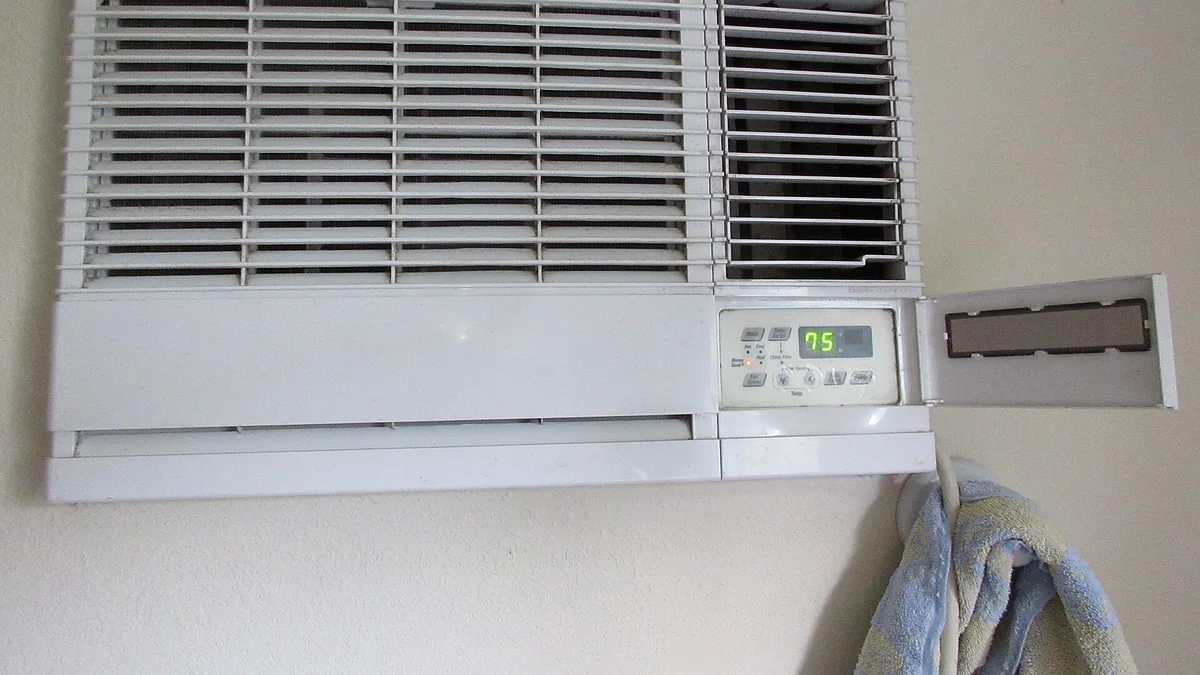
We move Refrigeration Equipment out of China as ordinary export freight — booked, packed and cleared to the same standard as any other commodity, but planned around the fact that it commercial cooling plant — heavy, upright-only, and refrigerant-regulated.
It changes how the shipment prices. Volume-limited. Air freight charges volumetric weight at L×W×H÷6000, so anything under about 167 kg/m³ prices on space rather than mass. Sea LCL prices per cubic metre, which makes packing density the single biggest lever on the freight bill.
One thing specific to this material. This is equipment for cooling, not cold-chain transport of the equipment itself — it ships as ordinary cargo. The regulated part is the refrigerant charge, which needs its declaration and, in the EU, quota authorisation before arrival.
One compliance step accounts for most delays on this commodity: CE and energy labelling; F-gas records for anything holding refrigerant. Classification sits in chapter 84 / 85; the exact code varies by specification, so verify it before budgeting duty.
Freight reference — Refrigeration Equipment
| Typical HS chapter | 84 / 85 |
|---|---|
| Cargo behaviour | Commercial cooling plant — heavy, upright-only, and refrigerant-regulated |
| How it prices | Volume-limited |
| Usual service | Sea FCL / LCL |
| Main compliance step | CE and energy labelling; F-gas records for anything holding refrigerant |
| Trade terms available | EXW, FOB, CIF, CIP, DAP or delivered duty-paid |
HS chapters are indicative. The binding classification depends on your exact specification — confirm the heading before relying on a duty estimate.
Packing and protection
Skid-mounted and crated, upright, with the condenser coil protected by a rigid guard. Coils are the most easily damaged part and the most expensive to repair on site; a bent fin block reduces capacity permanently.
Loading the container
In the box: Pack to the roof and fill the voids. Light cargo will not hit the weight limit, so unused headroom is money left on the table — but keep the load stable, because a light stack that shifts still collapses.
Choosing the service
Which service: Sea FCL once the volume justifies a full box; LCL below that. Air only for genuinely urgent goods — volumetric pricing makes bulky air freight expensive out of all proportion to the cargo value.
Where it usually goes wrong
This is equipment for cooling, not cold-chain transport of the equipment itself — it ships as ordinary cargo. The regulated part is the refrigerant charge, which needs its declaration and, in the EU, quota authorisation before arrival.
Live rates on lanes that carry this cargo
Published per-kilo and per-CBM rates from China, updated from carrier feeds. Rates are lane-based rather than commodity-based, so these apply to refrigeration equipment as much as to any other general cargo on the same route.
Frequently asked questions
How is freight priced for refrigeration equipment?
Volume-limited. Air freight charges volumetric weight at L×W×H÷6000, so anything under about 167 kg/m³ prices on space rather than mass. Sea LCL prices per cubic metre, which makes packing density the single biggest lever on the freight bill.
How should refrigeration equipment be packed for export?
Skid-mounted and crated, upright, with the condenser coil protected by a rigid guard. Coils are the most easily damaged part and the most expensive to repair on site; a bent fin block reduces capacity permanently.
Air or sea for refrigeration equipment?
Sea FCL once the volume justifies a full box; LCL below that. Air only for genuinely urgent goods — volumetric pricing makes bulky air freight expensive out of all proportion to the cargo value.
What customs paperwork does refrigeration equipment need?
The step that most often holds a shipment is CE and energy labelling; F-gas records for anything holding refrigerant. Classification normally falls in HS chapter 84 / 85, but the exact heading depends on your specification — send the product details and we will confirm the code and the duty position for the destination before you commit.
What goes wrong most often with refrigeration equipment shipments?
This is equipment for cooling, not cold-chain transport of the equipment itself — it ships as ordinary cargo. The regulated part is the refrigerant charge, which needs its declaration and, in the EU, quota authorisation before arrival.
Is there anything specific to refrigeration equipment we should know?
Ship with the spindle, axes and any hydraulic system locked and drained per the maker's transport instructions. Machines damaged in transit are almost always ones moved in running configuration.
Can you quote refrigeration equipment on FOB or CIF rather than duty-paid?
Yes. We quote EXW, FOB, CIF, CIP, DAP and delivered duty-paid on this cargo. The term decides how much of the journey is already inside the price — the trade-terms table on any of our rate pages sets out exactly who carries which cost at each stage.