
Fabric Shipping from China
Export freight for fabric — packing specification, container loading, HS classification and clearance. Quoted EXW, FOB, CIF, CIP or delivered duty-paid.
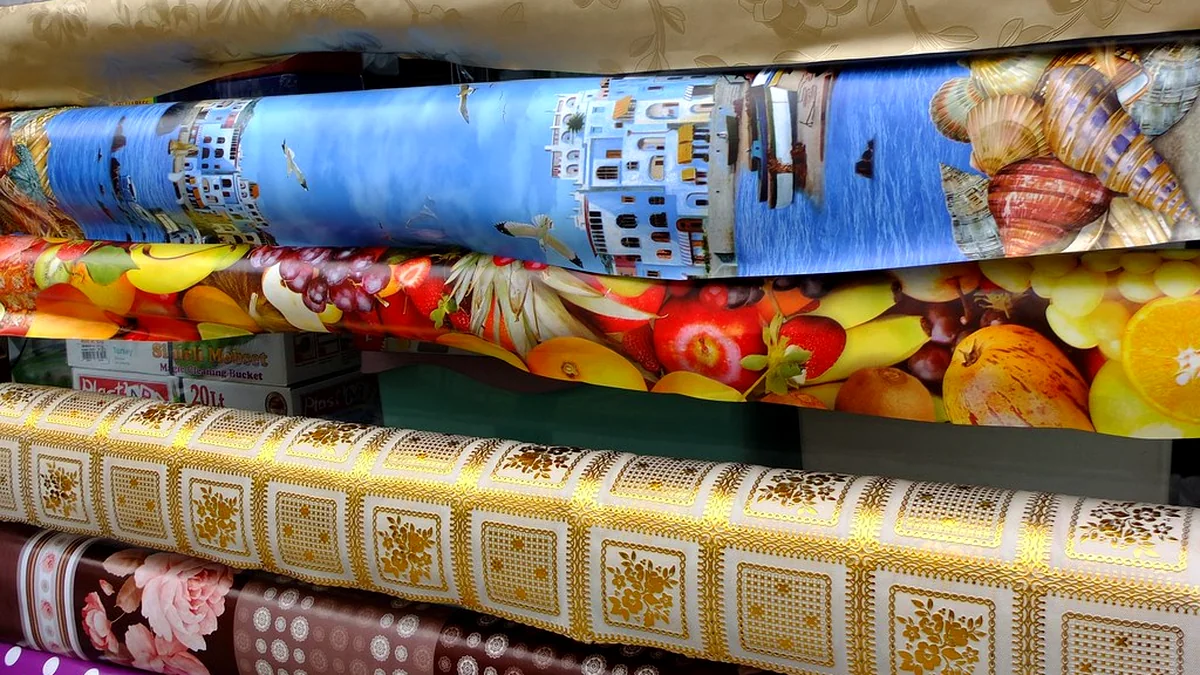
Fabric shipping from China is straightforward once the cargo is understood: this is freight that piece goods sold by metre and shipped by cube, and the routing follows from that.
That shapes the quote directly. Volume-limited in almost every case. Baled fabric compresses well and prices sensibly; hanging garments trade cube for presentation and cost noticeably more per unit shipped.
Worth knowing about fabric specifically. Shade variation between dye lots arriving as one consignment. Keep dye lots separated and clearly marked in packing, or the customer discovers the variation at cutting and rejects the balance.
The paperwork that most often decides whether a consignment clears on time is OEKO-TEX or REACH evidence, and origin documents for preferential duty. Expect HS chapter 50–63 / 64 / 42, with the precise heading depending on grade and construction — confirm it for your specific goods rather than assuming.
Freight reference — Fabric
| Typical HS chapter | 50–63 / 64 / 42 |
|---|---|
| Cargo behaviour | Piece goods sold by metre and shipped by cube |
| How it prices | Volume-limited |
| Usual service | Sea FCL, air in season |
| Main compliance step | OEKO-TEX or REACH evidence, and origin documents for preferential duty |
| Trade terms available | EXW, FOB, CIF, CIP, DAP or delivered duty-paid |
HS chapters are indicative. The binding classification depends on your exact specification — confirm the heading before relying on a duty estimate.
Packing and protection
Roll onto rigid cores, not soft tubes — a collapsed core creases every metre on the roll. Record actual metreage per roll on the packing list, because buyers reconcile received metres against the invoice and short rolls become claims.
Loading the container
Stowage: Keep bales clear of the container walls, where condensation forms first. Kraft or cardboard lining between cargo and wall is cheap and prevents most water staining.
Choosing the service
Service choice: Sea FCL for replenishment volume; air for fashion where the season is the constraint and a missed window destroys the margin.
Where it usually goes wrong
Shade variation between dye lots arriving as one consignment. Keep dye lots separated and clearly marked in packing, or the customer discovers the variation at cutting and rejects the balance.
Live rates on lanes that carry this cargo
Published per-kilo and per-CBM rates from China, updated from carrier feeds. Rates are lane-based rather than commodity-based, so these apply to fabric as much as to any other general cargo on the same route.
Frequently asked questions
How is freight priced for fabric?
Volume-limited in almost every case. Baled fabric compresses well and prices sensibly; hanging garments trade cube for presentation and cost noticeably more per unit shipped.
How should fabric be packed for export?
Roll onto rigid cores, not soft tubes — a collapsed core creases every metre on the roll. Record actual metreage per roll on the packing list, because buyers reconcile received metres against the invoice and short rolls become claims.
Air or sea for fabric?
Sea FCL for replenishment volume; air for fashion where the season is the constraint and a missed window destroys the margin.
What customs paperwork does fabric need?
The step that most often holds a shipment is OEKO-TEX or REACH evidence, and origin documents for preferential duty. Classification normally falls in HS chapter 50–63 / 64 / 42, but the exact heading depends on your specification — send the product details and we will confirm the code and the duty position for the destination before you commit.
What goes wrong most often with fabric shipments?
Shade variation between dye lots arriving as one consignment. Keep dye lots separated and clearly marked in packing, or the customer discovers the variation at cutting and rejects the balance.
Is there anything specific to fabric we should know?
Textiles absorb and hold moisture, then mildew. Line the container walls, add desiccant proportioned to the load, and never stuff bales still warm from a press.
Can you quote fabric on FOB or CIF rather than duty-paid?
Yes. We quote EXW, FOB, CIF, CIP, DAP and delivered duty-paid on this cargo. The term decides how much of the journey is already inside the price — the trade-terms table on any of our rate pages sets out exactly who carries which cost at each stage.