
Electronic Components Shipping from China
Export freight for electronic components — packing specification, container loading, HS classification and clearance. Quoted EXW, FOB, CIF, CIP or delivered duty-paid.
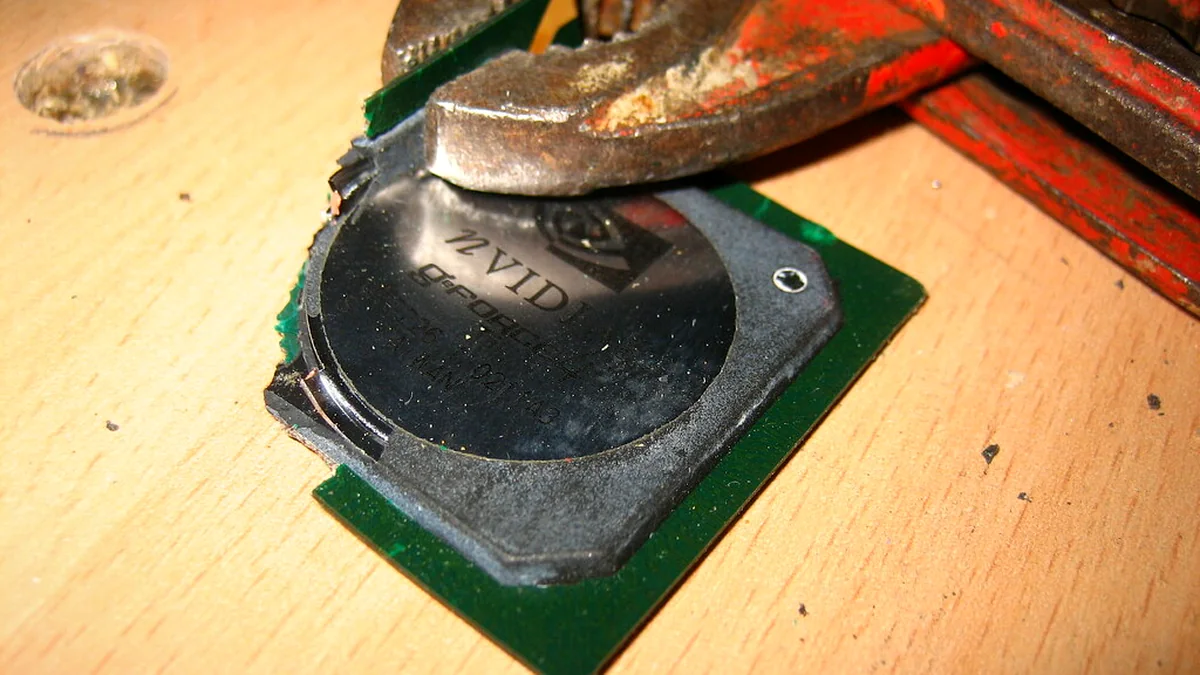
Shipping Electronic Components from China is a planning problem before it is a price problem. The cargo reel and tray goods where the moisture barrier is the packaging that matters, and every sensible decision downstream starts there.
The pricing follows from it. Almost always volumetric on air freight — the cargo is light for its footprint. Value density is high enough that insurance and security handling are a meaningful share of the landed cost.
A caution particular to this commodity. A broken seal is a damaged consignment even when nothing is physically wrong. Once the MBB is opened the floor life clock starts, and components that exceed it must be baked before reflow or they delaminate during soldering.
On the compliance side the recurring item is straightforward to state and easy to leave too late: CE, FCC and RoHS; export-control screening on advanced-node equipment. HS classification generally falls in chapter 8534 / 8541 / 8542, though the exact heading depends on specification and should be confirmed against your own product before you rely on a duty estimate.
Freight reference — Electronic Components
| Typical HS chapter | 8534 / 8541 / 8542 |
|---|---|
| Cargo behaviour | Reel and tray goods where the moisture barrier is the packaging that matters |
| How it prices | Volumetric on air |
| Usual service | Air |
| Main compliance step | CE, FCC and RoHS; export-control screening on advanced-node equipment |
| Trade terms available | EXW, FOB, CIF, CIP, DAP or delivered duty-paid |
HS chapters are indicative. The binding classification depends on your exact specification — confirm the heading before relying on a duty estimate.
Packing and protection
Tape and reel or JEDEC trays inside sealed moisture barrier bags with desiccant and a humidity indicator card, matched to the moisture sensitivity level printed on the bag. Vacuum-sealed bags must not be opened for inspection without a plan to rebake.
Loading the container
On loading: Palletise and shrink-wrap into unit loads so nothing can be opened without it being obvious. Where the value justifies it, seal with numbered security seals and photograph them.
Choosing the service
On routing: Air is the default: transit exposure is short, humidity risk low, and the freight cost is small against the goods value. Sea FCL for high-volume consumer runs where the schedule allows.
Where it usually goes wrong
A broken seal is a damaged consignment even when nothing is physically wrong. Once the MBB is opened the floor life clock starts, and components that exceed it must be baked before reflow or they delaminate during soldering.
Live rates on lanes that carry this cargo
Published per-kilo and per-CBM rates from China, updated from carrier feeds. Rates are lane-based rather than commodity-based, so these apply to electronic components as much as to any other general cargo on the same route.
Frequently asked questions
How is freight priced for electronic components?
Almost always volumetric on air freight — the cargo is light for its footprint. Value density is high enough that insurance and security handling are a meaningful share of the landed cost.
How should electronic components be packed for export?
Tape and reel or JEDEC trays inside sealed moisture barrier bags with desiccant and a humidity indicator card, matched to the moisture sensitivity level printed on the bag. Vacuum-sealed bags must not be opened for inspection without a plan to rebake.
Air or sea for electronic components?
Air is the default: transit exposure is short, humidity risk low, and the freight cost is small against the goods value. Sea FCL for high-volume consumer runs where the schedule allows.
What customs paperwork does electronic components need?
The step that most often holds a shipment is CE, FCC and RoHS; export-control screening on advanced-node equipment. Classification normally falls in HS chapter 8534 / 8541 / 8542, but the exact heading depends on your specification — send the product details and we will confirm the code and the duty position for the destination before you commit.
What goes wrong most often with electronic components shipments?
A broken seal is a damaged consignment even when nothing is physically wrong. Once the MBB is opened the floor life clock starts, and components that exceed it must be baked before reflow or they delaminate during soldering.
Is there anything specific to electronic components we should know?
Components ship on tape and reel or in trays with a moisture sensitivity level marked on the bag. Once the bag is opened the floor life starts, so an inspection at the border that breaks the seal can force a bake before the parts are usable.
Can you quote electronic components on FOB or CIF rather than duty-paid?
Yes. We quote EXW, FOB, CIF, CIP, DAP and delivered duty-paid on this cargo. The term decides how much of the journey is already inside the price — the trade-terms table on any of our rate pages sets out exactly who carries which cost at each stage.