
Air Freight from China to Rayong, Thailand — Transit, Duty and Clearance
China → Rayong · via Laem Chabang sea · clearance by Thai Customs Department (กรมศุลกากร)
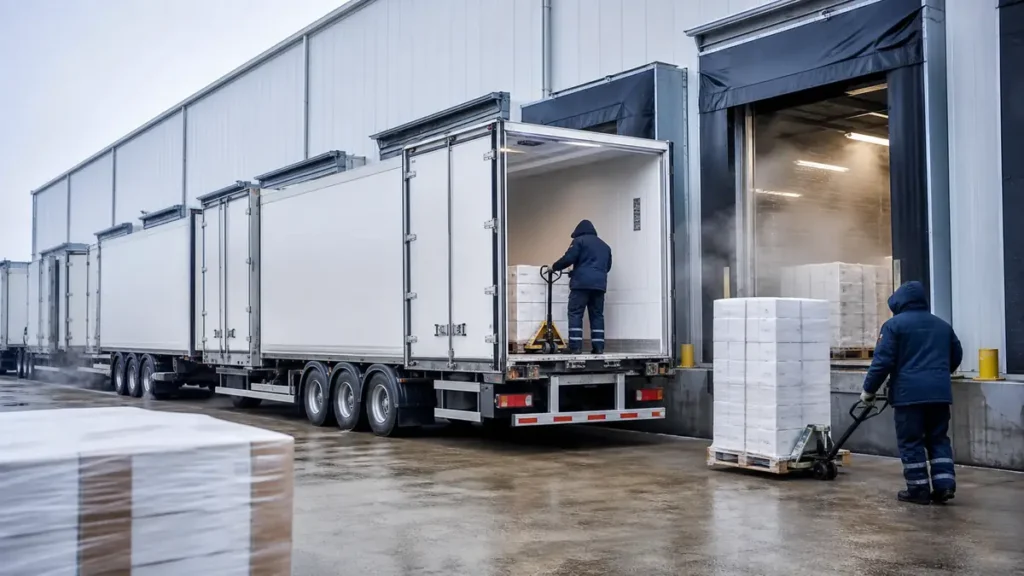
Freight from China into Rayong clears through Laem Chabang sea. Rayong is Eastern Economic Corridor petrochemical and electronics zone, and allow +1 day for the inland leg on top of clearance.
Clearance itself is handled by Thai Customs Department (กรมศุลกากร), and typical dwell at the gateway runs 2–5 days.
What you will pay on arrival in Thailand
Imports into Thailand are cleared by Thai Customs Department (กรมศุลกากร). The headline position is: VAT 7%; duty 0–30%, and 0% on most lines with an ACFTA Form E. The de-minimis threshold is THB 1,500 (VAT now applies to low-value imports).
Conformity is the part most first-time importers underestimate: TISI standard mark for regulated goods; NBTC approval for radio devices; Thai FDA for food, cosmetics and supplements. Getting this wrong is expensive because it usually cannot be fixed after the cargo has landed.
Restrictions and known friction points for Thailand: Cosmetics, supplements and food need Thai FDA registration held by the consignee before arrival. Used machinery, secondhand goods and e-cigarettes are restricted or banned. Batteries move on approved air channels only.
What the routing looks like in practice
Thailand is a short-haul lane: Shenzhen and Guangzhou both run daily air departures into Suvarnabhumi, and Laem Chabang is only 5–9 days from Shekou or Nansha. A land option also exists via the R3A road corridor through Laos, which is sometimes cheaper than air for semi-urgent cargo.
| Air gateways used | BKK (Suvarnabhumi), DMK (Don Mueang), CNX (Chiang Mai) |
|---|---|
| Air transit, China to gateway | 3–5 business days |
| Gateway serving Rayong | Laem Chabang sea |
| Inland leg to Rayong | +1 day from the gateway |
| Typical clearance / dwell | 2–5 days |
| Peak season to plan around | Sep–Nov |
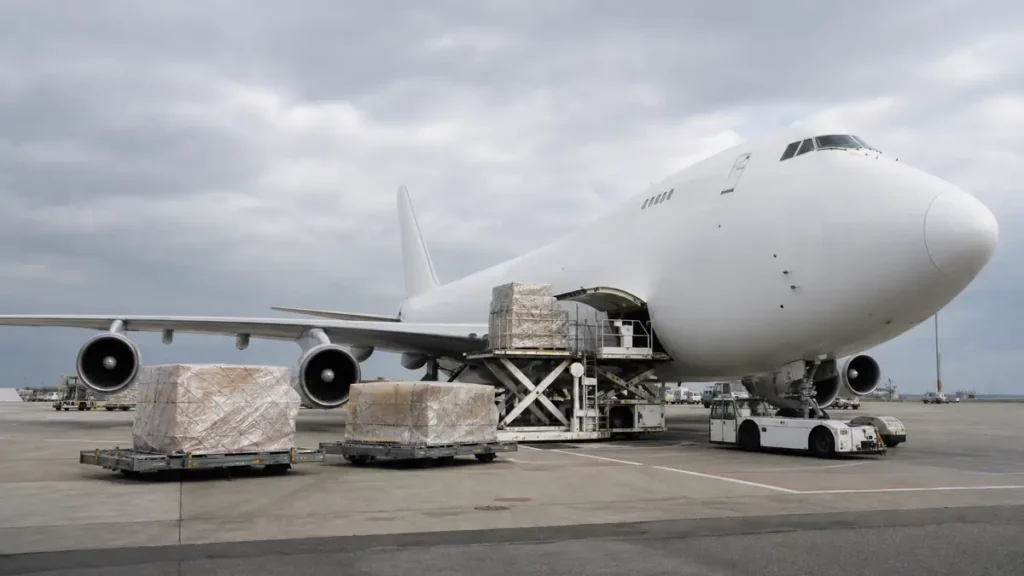
Before you book: Rayong checklist
- Get the conformity paperwork moving early: TISI standard mark for regulated goods; NBTC approval for radio devices; Thai FDA for food, cosmetics and supplements.
- Book earlier than the transit time suggests during Sep–Nov, when space on this lane tightens.
- Confirm the consignee in Rayong can act as importer of record — Thai Customs Department (กรมศุลกากร) will not release cargo to an unregistered party.
- Plan around the China-side windows too: Chinese New Year and Golden Week both compress capacity on the Thailand lane.
- Put the Rayong delivery address, contact name and phone number on the invoice, not just the packing list.
- Compare gross weight against volumetric weight (L×W×H ÷ 6000) — the higher figure is what gets billed on air and express.
Frequently asked questions
How long does shipping from China to Rayong take?
China to the Thailand gateway is 3–5 business days. On top of that, allow 2–5 days of clearance with Thai Customs Department (กรมศุลกากร) and a +1 day inland leg to Rayong.
What duty and tax will I pay importing into Rayong?
Thai Customs Department (กรมศุลกากร) applies: VAT 7%; duty 0–30%, and 0% on most lines with an ACFTA Form E. The de-minimis position is THB 1,500 (VAT now applies to low-value imports). Under a DDP arrangement these are pre-paid, so nothing is collected on arrival in Rayong.
What certification do I need for Thailand?
For regulated goods, plan for: TISI standard mark for regulated goods; NBTC approval for radio devices; Thai FDA for food, cosmetics and supplements. Missing conformity paperwork is the single most common cause of a hold, and in most cases it cannot be remedied once the cargo has arrived.
How is the chargeable weight calculated for Rayong?
We compare actual gross weight against volumetric weight — length × width × height in centimetres divided by 6000 for air — and bill the greater of the two, rounded up to the next kilogram. Light, bulky cargo is almost always billed on volume.
What documents does Thai Customs Department (กรมศุลกากร) require?
A commercial invoice with HS codes, a packing list, the bill of lading or air waybill, a certificate of origin where it lowers duty, and any product certification (TISI standard mark for regulated goods; NBTC approval for radio devices; Thai FDA for food, cosmetics and supplements). We prepare and file these as part of the service.
Is sea freight cheaper than air freight into Rayong?
Per kilo, yes — usually by a wide margin. The trade-off is time: 5–9 calendar days by sea versus 3–5 business days by air to the Thailand gateway, before clearance and the +1 day inland leg. The crossover point is normally somewhere between 100 and 300 kg depending on the density of your cargo.
Other delivery cities in Thailand
References & official sources
Duty rates, thresholds and conformity requirements for Thailand change by ministerial decision, sometimes mid-year. The figures on this page are buyer-planning references, not a customs ruling — confirm the current position for your own HS code with Thai Customs Department (กรมศุลกากร) or your broker before you ship.
- Thai Customs Department
- Thai Industrial Standards Institute (TISI)
- Port Authority of Thailand
- WTO — Tariff Profiles (applied MFN duty by country)
- IATA — Lithium battery shipping guidance (PI 965–970)
- World Bank — Logistics Performance Index
- ICC — Incoterms 2020 rules (DDP, DAP, FOB definitions)
Page data last reviewed: July 2026.
Get a rate for Rayong
This lane is quoted per shipment rather than from a published rate card, because the landed cost depends on the commodity, its density, the conformity requirements above and the delivery point. Send the cargo details and we will come back with a full DDP figure.