
Sea Freight from China to Fukuoka, Japan — Transit, Duty and Clearance
China → Fukuoka · via FUK air / Hakata sea · clearance by Japan Customs (税関)
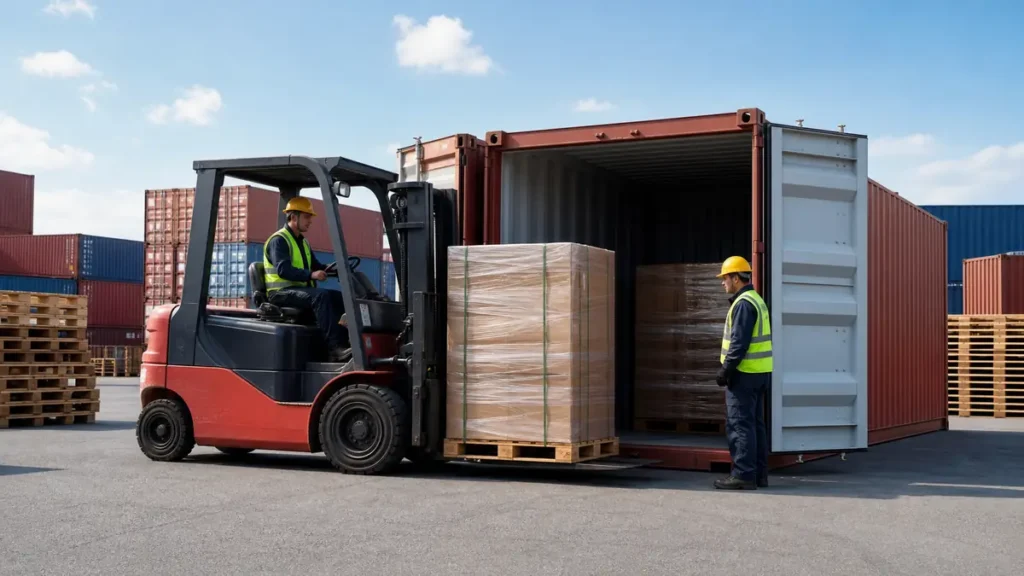
For buyers shipping into Fukuoka, the practical question is not the ocean or flight time but what happens after arrival. Fukuoka is Kyushu gateway and the closest major city to China; cargo enters through FUK air / Hakata sea, and the inland leg is same-day, so the clearance date is effectively the delivery date.
The clearing authority is Japan Customs (税関). Historical dwell on this gateway is around 1–3 days, and it lengthens in Sep–Nov.
Import duty and tax position for Fukuoka
Japan Customs (税関) assesses duty and tax on cargo arriving for Fukuoka consignees. Current regime: Consumption tax 10%; duty 0–15% on most manufactured goods, higher on leather, footwear and food, with a de-minimis position of JPY 10,000 customs value (some categories excluded).
Conformity is the part most first-time importers underestimate: PSE mark for electrical appliances; Giteki/MIC certification for radio devices; Food Sanitation Act notification for food-contact items. Getting this wrong is expensive because it usually cannot be fixed after the cargo has landed.
Restrictions and known friction points for Japan: Electrical products without a valid PSE mark cannot be imported. Radio devices need Giteki certification. Amazon FBA Japan requires an Importer of Record that is not Amazon, so confirm who the IOR will be before booking a DDP move.
Routing and transit on this lane
Japan is a fast, high-compliance lane: Shanghai and Qingdao to Tokyo or Osaka is 3–6 days by sea and often next-day by air. Clearance itself is quick, but the standards regime is unforgiving — PSE and Giteki marking must be correct before the goods ship, because there is no way to remediate at the border.
| Sea gateways used | Tokyo, Yokohama, Osaka |
|---|---|
| Sea transit, China to gateway | 3–6 calendar days |
| Gateway serving Fukuoka | FUK air / Hakata sea |
| Inland leg to Fukuoka | Same day from the gateway |
| Typical clearance / dwell | 1–3 days |
| Peak season to plan around | Sep–Nov |

What to sort out before the cargo leaves China
- Confirm the consignee in Fukuoka can act as importer of record — Japan Customs (税関) will not release cargo to an unregistered party.
- Photograph carton markings and seal numbers before departure — it makes any claim far easier to settle.
- Budget for the inland leg: same-day delivery beyond gateway clearance to reach Fukuoka.
- Plan around the China-side windows too: Chinese New Year and Golden Week both compress capacity on the Japan lane.
- Book earlier than the transit time suggests during Sep–Nov, when space on this lane tightens.
- Use ISPM-15 treated pallets. Untreated wood is the most common reason otherwise-clean cargo gets held.
Frequently asked questions
How long does shipping from China to Fukuoka take?
China to the Japan gateway is 3–6 calendar days. On top of that, allow 1–3 days of clearance with Japan Customs (税関) and a same-day inland leg to Fukuoka.
What duty and tax will I pay importing into Fukuoka?
Japan Customs (税関) applies: Consumption tax 10%; duty 0–15% on most manufactured goods, higher on leather, footwear and food. The de-minimis position is JPY 10,000 customs value (some categories excluded). Under a DDP arrangement these are pre-paid, so nothing is collected on arrival in Fukuoka.
Which port or airport does cargo for Fukuoka clear through?
Cargo for Fukuoka is routed via FUK air / Hakata sea. Sea gateways for Japan are Tokyo, Yokohama, Osaka; air gateways are NRT (Narita), HND (Haneda), KIX (Osaka Kansai). We pick whichever gives the shortest total door time for your address.
Can you ship batteries or sensitive cargo to Fukuoka?
Yes. Battery cargo by sea moves under UN3480/UN3481 with an MSDS, and the dangerous-goods documentation is prepared as part of the booking into Tokyo, Yokohama, Osaka. Surcharges apply and space is more limited than for general cargo.
What certification do I need for Japan?
For regulated goods, plan for: PSE mark for electrical appliances; Giteki/MIC certification for radio devices; Food Sanitation Act notification for food-contact items. Missing conformity paperwork is the single most common cause of a hold, and in most cases it cannot be remedied once the cargo has arrived.
When is the busiest time on the China–Japan lane?
Space and rates tighten around Sep–Nov, plus the China-side windows of Chinese New Year in January or February and Golden Week in early October. Book one to two weeks earlier in those periods.
Other delivery cities in Japan
References & official sources
Duty rates, thresholds and conformity requirements for Japan change by ministerial decision, sometimes mid-year. The figures on this page are buyer-planning references, not a customs ruling — confirm the current position for your own HS code with Japan Customs (税関) or your broker before you ship.
- Japan Customs
- METI — Electrical Appliance and Material Safety Act (PSE)
- MIC — radio equipment certification
- WTO — Tariff Profiles (applied MFN duty by country)
- IATA — Lithium battery shipping guidance (PI 965–970)
- World Bank — Logistics Performance Index
- ICC — Incoterms 2020 rules (DDP, DAP, FOB definitions)
- IPPC — ISPM 15 wood packaging standard
Page data last reviewed: July 2026.
Get a rate for Fukuoka
This lane is quoted per shipment rather than from a published rate card, because the landed cost depends on the commodity, its density, the conformity requirements above and the delivery point. Send the cargo details and we will come back with a full DDP figure.