
Air Freight from China to Santos, Brazil — Transit, Duty and Clearance
China → Santos · via GRU air / Santos sea · clearance by Receita Federal do Brasil
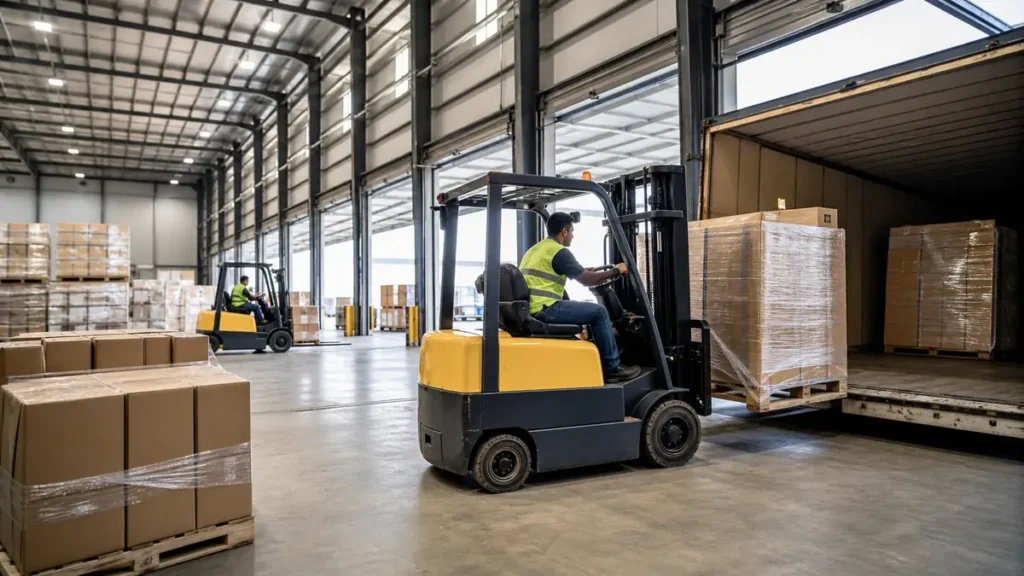
We move air freight cargo from South China into Santos through GRU air / Santos sea. Santos is the largest port in Latin America, which shapes the kind of cargo that moves on this lane and how it should be packed.
Clearance itself is handled by Receita Federal do Brasil, and typical dwell at the gateway runs 7–15 days.
Routing and transit on this lane
Brazil is the most complex tax jurisdiction in the Americas. Federal duty is only the starting point — IPI, PIS/COFINS and state-level ICMS compound on top, and ICMS differs by state, so the same goods cost different amounts landed in São Paulo and Manaus. The Manaus Free Trade Zone is a genuine alternative structure for electronics assembly inputs.
| Air gateways used | GRU (São Paulo), VCP (Campinas), GIG (Rio de Janeiro) |
|---|---|
| Air transit, China to gateway | 4–7 business days |
| Gateway serving Santos | GRU air / Santos sea |
| Inland leg to Santos | Same day from the gateway |
| Typical clearance / dwell | 7–15 days |
| Peak season to plan around | Sep–Nov |
Import duty and tax position for Santos
Imports into Brazil are cleared by Receita Federal do Brasil. The headline position is: Import duty 10–35% plus IPI, PIS/COFINS and state ICMS — the compounded effective rate frequently exceeds 60%. The de-minimis threshold is USD 50 for consignments between individuals only.
Conformity is the part most first-time importers underestimate: ANATEL homologation for telecom and radio devices; INMETRO certification for a wide range of consumer goods. Getting this wrong is expensive because it usually cannot be fixed after the cargo has landed.
Restrictions and known friction points for Brazil: ANATEL homologation is mandatory for anything that transmits, and takes months to obtain — start before production. INMETRO certification covers many consumer categories. Import licensing applies to a substantial list of goods and must be granted before shipment.
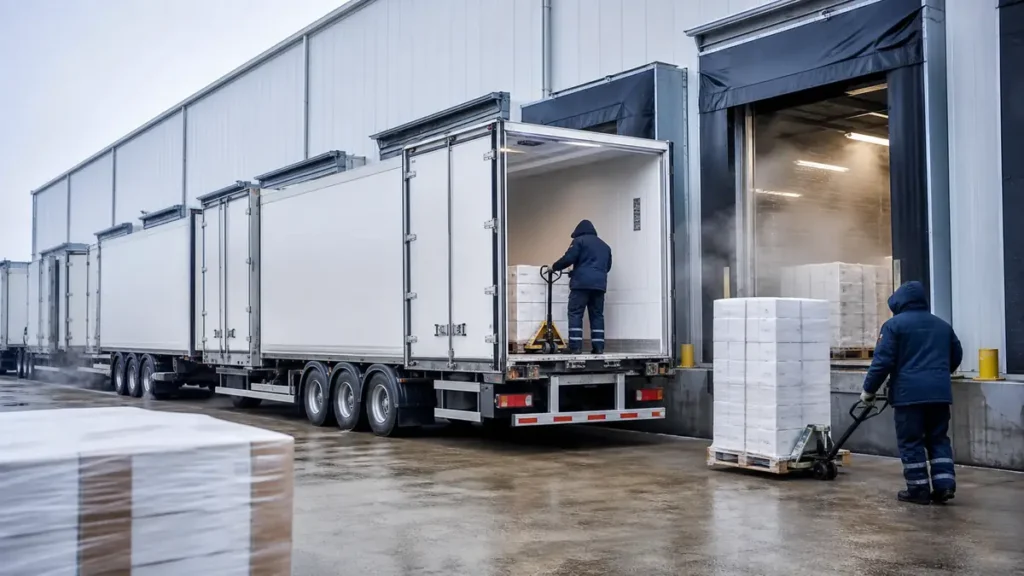
Before you book: Santos checklist
- Compare gross weight against volumetric weight (L×W×H ÷ 6000) — the higher figure is what gets billed on air and express.
- Budget for the inland leg: same-day delivery beyond gateway clearance to reach Santos.
- Check the de-minimis position (USD 50 for consignments between individuals only) against your invoice value before you decide how to split the shipment.
- Declare lithium batteries, magnets, liquids and powders up front — retro-declaring after booking usually means re-planning the whole shipment.
- Confirm the consignee in Santos can act as importer of record — Receita Federal do Brasil will not release cargo to an unregistered party.
- Book earlier than the transit time suggests during Sep–Nov, when space on this lane tightens.
Frequently asked questions
How long does shipping from China to Santos take?
China to the Brazil gateway is 4–7 business days. On top of that, allow 7–15 days of clearance with Receita Federal do Brasil and a same-day inland leg to Santos.
What duty and tax will I pay importing into Santos?
Receita Federal do Brasil applies: Import duty 10–35% plus IPI, PIS/COFINS and state ICMS — the compounded effective rate frequently exceeds 60%. The de-minimis position is USD 50 for consignments between individuals only. Under a DDP arrangement these are pre-paid, so nothing is collected on arrival in Santos.
Can you ship batteries or sensitive cargo to Santos?
Yes. Battery cargo by air follows IATA PI 965–970 depending on how the cells are packed, and moves on certified channels via GRU (São Paulo), VCP (Campinas), GIG (Rio de Janeiro). Surcharges apply and the declaration has to be made before booking.
How is the chargeable weight calculated for Santos?
We compare actual gross weight against volumetric weight — length × width × height in centimetres divided by 6000 for air — and bill the greater of the two, rounded up to the next kilogram. Light, bulky cargo is almost always billed on volume.
When is the busiest time on the China–Brazil lane?
Space and rates tighten around Sep–Nov, plus the China-side windows of Chinese New Year in January or February and Golden Week in early October. Book one to two weeks earlier in those periods.
What certification do I need for Brazil?
For regulated goods, plan for: ANATEL homologation for telecom and radio devices; INMETRO certification for a wide range of consumer goods. Missing conformity paperwork is the single most common cause of a hold, and in most cases it cannot be remedied once the cargo has arrived.
Other delivery cities in Brazil
References & official sources
Duty rates, thresholds and conformity requirements for Brazil change by ministerial decision, sometimes mid-year. The figures on this page are buyer-planning references, not a customs ruling — confirm the current position for your own HS code with Receita Federal do Brasil or your broker before you ship.
- Receita Federal — Aduana
- ANATEL homologation
- INMETRO
- WTO — Tariff Profiles (applied MFN duty by country)
- IATA — Lithium battery shipping guidance (PI 965–970)
- World Bank — Logistics Performance Index
- ICC — Incoterms 2020 rules (DDP, DAP, FOB definitions)
- IPPC — ISPM 15 wood packaging standard
Page data last reviewed: July 2026.
Get a rate for Santos
This lane is quoted per shipment rather than from a published rate card, because the landed cost depends on the commodity, its density, the conformity requirements above and the delivery point. Send the cargo details and we will come back with a full DDP figure.