
Ocean Carriers Ditch Chartering for Direct Fleet Ownership
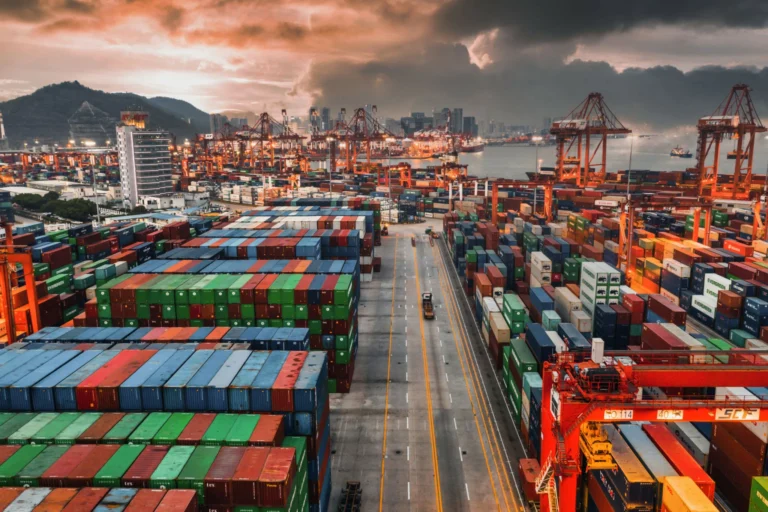
Shipping schedules and service reliability are set for a major overhaul as the world’s largest container lines reduce their dependence on chartered tonnage. The move toward direct fleet ownership is reshaping capacity planning, deployment strategies, and risk management across global supply chains.
An increasing number of ocean carriers are pivoting from the long-standing practice of leasing vessels from non-operating owners. Instead, they are investing heavily in newbuilds and second-hand purchases to control their own capacity. This strategic shift reflects a broader realignment in the maritime sector, driven by recent market turmoil and long-term sustainability goals.
Market context: Soaring charter rates and supply chain pressure
Charter markets experienced unprecedented volatility. Daily hire rates for large containerships skyrocketed during the pandemic-era demand surge, and while they have since moderated, the experience left carriers determined to reduce exposure. Owning vessels provides cost predictability, insulates operators from spot market fluctuations, and ensures priority access to slots on critical trade lanes.
The consolidation of the liner industry into a handful of alliances further incentivizes ownership. With fewer players controlling a larger share of global capacity, the strategic value of an owned fleet—especially eco-friendly, large-capacity units—has become a competitive differentiator. This trend is evident in the orderbooks of giants like Maersk, MSC, and CMA CGM, which together represent a significant portion of the global container fleet.
Technical and standards implications: Green compliance and newbuild design
Environmental regulations are accelerating the ownership push. The International Maritime Organization’s carbon intensity indicators and the EU’s inclusion of shipping in its emissions trading system make older chartered vessels less attractive. Carriers now prefer to commission state-of-the-art dual-fuel vessels that can run on LNG or methanol, meeting both current and future standards. Ownership allows for customized vessel specifications that align with specific route requirements and sustainability targets, something not always possible with chartered ships.
Moreover, the technical transition is creating a two-tier fleet: a modern, compliant owned segment and an aging, less efficient chartered segment that may face operational restrictions. As a result, the shift to ownership is widening the gap between the top-tier carriers and smaller competitors who remain charter-dependent.
What to watch next: Orderbook evolution and freight rate impact
The coming years will see a record number of newbuilding deliveries. According to industry analysts, the container ship orderbook-to-fleet ratio is at a multi-year high, dominated by large ships ordered by the major lines. This flood of new capacity will test the balance of supply and demand, potentially pressuring freight rates. Carriers are betting that owning these efficient ships will give them the flexibility to manage cascading effects and maintain profitability.
Another area to monitor is the secondary market for vessels. As owners divest older tonnage, a new wave of consolidation could emerge, with second-tier operators scooping up displaced ships. Meanwhile, charter owners may need to innovate or partner with carriers to survive. The impact on global trade lanes, including critical corridors from China to Europe and North America, will be profound. Shippers and freight forwarders, including those offering China freight forwarding services, will need to adapt to new service patterns and capacity commitments.
The broader implication is a fundamental restructuring of maritime asset ownership. As carriers become asset-heavy, their financial profiles change, potentially increasing debt but also solidifying long-term market power. This shift will influence everything from insurance and financing to port infrastructure development. In an industry known for boom-and-bust cycles, the move toward fleet ownership may herald a more stable, albeit concentrated, future for container shipping.
| Aspect | Details | Impact |
|---|---|---|
| Cost structure | Carriers shift from variable charter hire to fixed ownership costs | Greater cost predictability and insulation from spot rate spikes |
| Vessel technology | Newbuilds feature dual-fuel engines and energy-efficiency design | Compliance with IMO and EU emissions regulations, lower operating costs |
| Market dynamics | Major lines order record numbers of large boxships | Potential oversupply risk, pressure on freight rates, industry consolidation |
| Operational control | Owned fleets allow tailored deployment and service reliability | Improved schedule integrity and competitive differentiation |
| Industry structure | Widening gap between asset-heavy giants and charter-reliant smaller players | Accelerated consolidation and barriers to entry |
Why This Matters
The strategic move toward fleet ownership marks a structural change in container shipping, shifting economic power to the largest carriers and potentially stabilising long-term freight markets. However, it also raises concerns about overcapacity, higher financial leverage, and reduced flexibility for smaller competitors, ultimately redrawing the competitive landscape.
FAQ
Why are container shipping giants moving from chartering to fleet ownership?
The shift is primarily driven by the need for cost predictability, control over vessel specifications and schedules, and compliance with stricter environmental regulations. Recent charter market volatility has shown the risks of relying on leased tonnage, making owned fleets more attractive for long-term planning.
Which carriers are leading this trend?
Major players like Maersk, Mediterranean Shipping Company (MSC), and CMA CGM have placed extensive newbuilding orders for large, eco-friendly container ships. Their recent fleet strategies emphasize owned capacity, reducing their charter-in ratios.
How does this impact global freight rates?
The upcoming wave of new, owned capacity could lead to supply–demand imbalances, potentially pressuring freight rates downward in the medium term. However, carriers with modern, efficient fleets may be able to sustain profitability by better managing costs and service levels.
What does this mean for smaller shipping lines and charter owners?
Smaller lines that depend on charters may struggle to compete with the larger, asset-heavy carriers, leading to further industry consolidation. Charter owners might face reduced demand and could need to reposition their fleets or seek innovative partnerships.
Sources
- Maersk (maersk.com)
- MSC (msc.com)
- International Maritime Organization (imo.org)
Source: Global Trade Magazine