
Container Freight Rates Continue March Northwards, Extending Supply Chain Strain
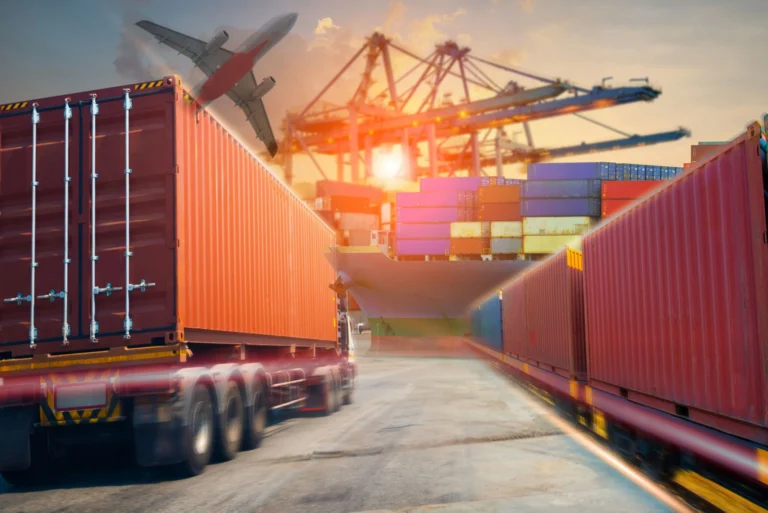
As shipping costs chart an unrelenting upward path, pressure mounts on global supply chains that remain in a delicate balance. Container freight rates have continued their march northwards, according to a recent report by Seatrade Maritime News, adding to the financial burden on shippers and importers worldwide.
Sustained Upward Pressure on Box Rates
The latest assessments indicate that spot and contract prices on major liner routes are extending a weeks-long advance. Although specific indices may vary by trade lane, the directional signal is clear: capacity remains tight relative to demand. Carriers have reported strong utilization levels across key services, leaving limited room for rate negotiation.
This persistent climb differs from the seasonal patterns often seen in container shipping, where temporary spikes typically subside. Instead, a combination of structural and cyclical factors appears to be reinforcing the upward momentum, making the current environment noteworthy for logistics planners.
Key Factors Behind the Climb
Several elements are underpinning the rise in freight costs. Constant demand for consumer goods, e-commerce growth, and industrial restocking continue to outpace available vessel space. Meanwhile, ongoing port congestion at major hubs in Asia, Europe, and North America slows down turnaround times, effectively removing capacity from the market.
Higher fuel prices and tight availability of containers further compound operating expenses. Geopolitical uncertainties, including disruptions in key maritime chokepoints, have prompted some carriers to reroute vessels, adding both distance and delay. Together, these forces create a pricing environment where rates are bid up.
Industry Response and Market Outlook
Liner operators have generally welcomed the improved revenue environment after years of thin margins, but they also face scrutiny from regulators and shipper groups concerned about market fairness. Some beneficial cargo owners are shifting from short-term spot bookings to longer-term contracts to lock in costs, while others explore alternative modes or nearshoring strategies.
Forward indicators remain mixed. Order books for new container vessels are substantial, yet deliveries take time, meaning relief from the supply side is not immediate. Charter markets for available tonnage stay elevated, reflecting the near-term scarcity of operational flexibility.
Implications for Global Trade
Rising container rates ripple across economies, contributing to imported goods inflation and complicating inventory management for manufacturers and retailers. Industries reliant on just-in-time models face particular strain, as buffer stocks prove costlier to transport. For developing economies dependent on imports, the impact can be even more pronounced.
Trade analysts note that sustained high rates may accelerate regionalization of supply chains, as companies weigh the total landed cost of goods from distant suppliers. While this trend was already underway, the current freight outlook lends it added impetus.
Market participants now watch for any signs of easing as peak shipping season unfolds, though persistent logistical challenges suggest rates may remain elevated in the near term.
Why This Matters
Sustained increases in container freight rates directly affect the cost of traded goods, fueling inflation concerns and straining supply chains already grappling with disruptions. The trend serves as a barometer for global trade health and compels businesses to reassess sourcing and logistics strategies, with potential long-term shifts in how goods flow around the world.
FAQ
Why are container freight rates continuing to rise?
Multiple factors typically drive increases, including shipping capacity constraints, strong demand for goods, port congestion, and higher operational costs such as fuel. Additionally, geopolitical events and seasonal peaks can exert further upward pressure on rates.
How do rising container rates affect global supply chains?
Higher rates increase the cost of transporting goods, which can translate into higher consumer prices and reduced profit margins for businesses. Companies may try to absorb costs, negotiate long-term contracts, or shift to other transport modes for time-sensitive items.
Which trade lanes are most affected by current rate increases?
While rates have risen broadly, trans-Pacific, Asia–Europe, and trans-Atlantic lanes often see significant spikes due to heavy volumes and equipment imbalances. However, impact varies by route depending on capacity availability and demand intensity.
When might container freight rates start to decline?
Rate trajectories depend on resolving supply chain bottlenecks, changes in consumer demand, and fleet capacity adjustments. Experts monitor indicators like easing port backlogs and new vessel deliveries, but no definitive timeline can be predicted.