
Transshipment Surge Congests India’s Largest Container Terminal
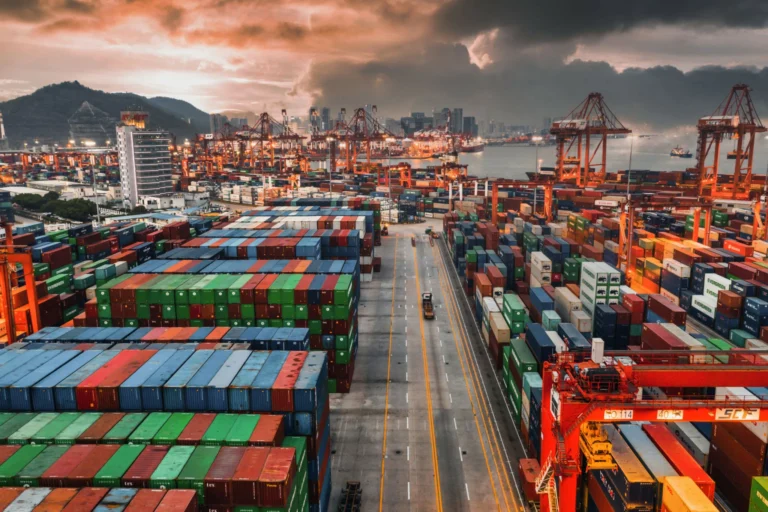
A sharp rise in transshipment cargo is causing severe congestion at PSA International-operated Bharat Mumbai Container Terminals (BMCT), the largest container facility at India’s Nhava Sheva Port (JNPA), with customs agents reporting lengthy gate queues and deteriorating cargo handling times. The terminal, a crucial gateway for western India’s international trade, is struggling to cope with the sudden influx, while other terminals at the port have reportedly improved their performance.
Operational Strain at India’s Key Gateway
BMCT has become the epicentre of frustration among shipping line representatives and customs house agents. Although JNPA as a whole has invested in modernization and capacity expansion, the PSA-operated terminal is now shouldering an outsized share of transshipment volumes. Service realignments by ocean carriers, partly driven by disruptions at other regional hubs, have funnelled additional container traffic through Nhava Sheva, pushing BMCT beyond its comfortable handling threshold.
The consequences are visible on the ground. Truck turn-around times have stretched, with queues snaking outside the terminal gates during peak hours. Yard utilization is running high, slowing the movement of containers from vessel to truck and vice versa. Cargo dwell times have extended, triggering additional storage and demurrage charges for importers and exporters. The terminal’s labour and equipment resources, while adequate under normal conditions, are now stretched thin.
Industry Response and Terminal Comparisons
Trade sources paint a mixed picture of JNPA’s overall performance. While several terminals have streamlined gate procedures and reduced container dwell times, BMCT’s progress appears slow. Customs house agents have catalogued a series of pain points:
- Gate queuing has become routine, with trucks waiting three to four hours to enter the terminal, compared to under one hour at other JNPA facilities.
- Internal yard congestion frequently delays the pickup of import containers, frustrating consignees with time-sensitive shipments.
- Shipping lines are adding congestion surcharges on bookings routed through Nhava Sheva, raising logistics costs for traders.
- Agents note that BMCT’s berthing windows have become less predictable, disrupting downstream logistics planning.
Despite the criticism, PSA International has not issued a detailed public statement on the terminal’s current challenges. The operator may be weighing options such as gate appointment systems, yard reconfiguration, or additional mobile harbour cranes to boost throughput. In the past, BMCT has pointed to ongoing dredging and infrastructure expansion, but these long-term projects offer little immediate relief.
The congestion underscores a larger challenge for India’s port sector. As global shipping networks become more fluid, transshipment hubs like JNPA face sudden volume spikes that can overwhelm even well-planned facilities. Importers dependent on just-in-time manufacturing are particularly exposed, and some may begin diverting cargo to alternate ports like Mundra or Pipavav if delays persist.
Industry observers expect that BMCT will need to expedite operational reforms to manage the growing cargo flow, as India’s trade demand continues to expand. Without swift action, the backlog could worsen when the pre-monsoon and festive season import surges arrive in the coming months.
Why This Matters
The snarl at India’s biggest box terminal highlights how fast-changing shipping patterns can distort even major trade gateways. If the congestion lingers, it may force cargo diversions from JNPA, increase landed costs for India’s manufacturing sector, and erode the competitive advantage of a port that handles a lion’s share of the nation’s container traffic.
FAQ
Why is BMCT experiencing congestion?
A sudden spike in transshipment cargo, likely driven by ocean carriers rerouting services to JNPA, has overwhelmed BMCT’s handling capacity. Yard density is high, truck turn-around times have lengthened, and the terminal’s labour and equipment resources are struggling to keep pace with the influx.
Are other terminals at JNPA facing similar problems?
Customs agents indicate that other terminals at the port have improved their gate procedures and container throughput, while BMCT lags. This disparity suggests the issue is partly terminal-specific rather than port-wide.
How does the congestion affect importers and exporters?
Delays in container pickup and delivery can disrupt production schedules, lead to demurrage and detention charges, and increase overall logistics costs. Some shipping lines are already adding congestion surcharges on shipments routed through Nhava Sheva, squeezing traders further.
What measures might resolve the situation at BMCT?
Potential solutions include implementing a truck appointment system, reconfiguring the yard, adding more mobile harbour cranes, and increasing gate capacity. PSA International has yet to announce a concrete action plan, but industry pressure may force a near-term response.
Sources
Source: The Loadstar