
Antitrust Enforcement in Global Container Manufacturing
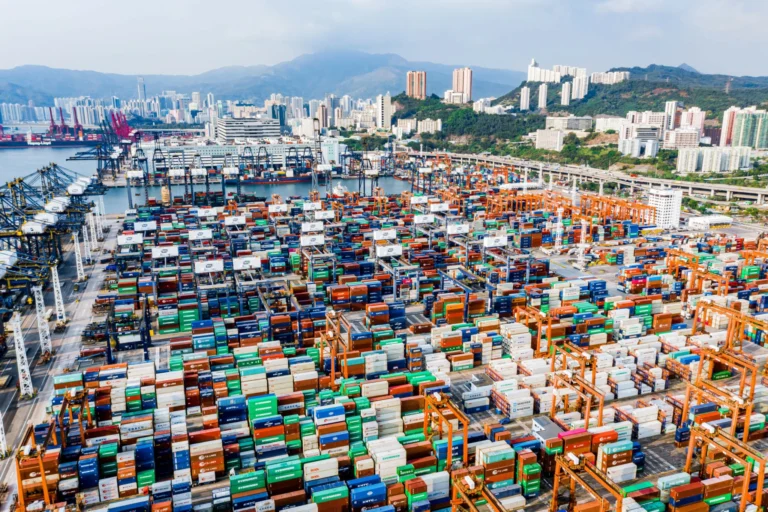
Global container manufacturing, a linchpin of international trade, operates under intense scrutiny as competition authorities crack down on price-fixing cartels. The recent upheaval at two prominent maritime firms highlights how personally executives can be ensnared when regulators pursue alleged collusion.
Teo Siong Seng stepped away from his executive chairman roles at Singamas Container Holdings and Pacific International Lines after being charged by the United States Department of Justice on 19 May. The indictment accuses him of conspiring with other container producers to engage in anti-competitive practices, though few details of the alleged cartel have been made public.
The Indictment and Its Immediate Fallout
U.S. prosecutors allege that Teo participated in a conspiracy to manipulate the container market, potentially through price fixing or bid rigging. The charges prompted an immediate leave of absence from both Singamas, one of the world’s largest container manufacturers, and Pacific International Lines, a major Asian shipping line.
This swift leadership vacuum raises questions about the internal governance structures at both companies. While day-to-day operations are expected to continue under existing management, the uncertainty surrounding Teo’s absence could unsettle investors and commercial partners reliant on stable container supplies.
Antitrust Scrutiny in Container Manufacturing
The container manufacturing sector has long drawn attention from competition authorities due to its concentrated market structure. A handful of Chinese state-backed and regional players dominate global production, creating fertile ground for coordination on pricing and capacity.
Recent years have seen a broader push by the U.S. Department of Justice to hold individuals accountable for cartel behaviour, not just corporations. This indictment follows other high-profile cases in logistics and shipping, signaling no tolerance for collusion that could drive up costs for exporters and importers worldwide.
Implications for the Maritime Supply Chain
Singamas and Pacific International Lines are deeply embedded in the movement of goods, from factory to port. Any disruption in container availability or leadership stability can ripple through supply chains already strained by geopolitical tensions and lingering pandemic effects.
Shipping lines and cargo owners may reassess their relationships with these firms, seeking reassurance that governance and compliance frameworks are robust. The case also serves as a warning to other senior executives in the sector that antitrust enforcement is intensifying.
Governance and the Road Ahead
Legal proceedings in the United States are expected to move forward in the coming months, although timelines remain unclear. Both Singamas and PIL may need to appoint interim leaders or begin succession planning if Teo’s absence extends indefinitely.
Observers will watch closely for any signs of a broader investigation into other container manufacturers. The outcome could reshape competitive dynamics in an industry where a few players hold immense sway over global trade infrastructure.
The charges against Teo Siong Seng signal that U.S. authorities are actively pursuing individuals in alleged container manufacturing cartels, though the case’s outcome remains uncertain.
Why This Matters
Legal action against a high-profile dual-chairman highlights the personal risks executives face in antitrust probes. It may trigger governance reviews across the maritime sector and reinforce that regulators are targeting individuals—not just companies—in bid-rigging and price-fixing cases, potentially altering risk calculations for boardrooms worldwide.
FAQ
Why was Teo Siong Seng indicted?
He faces allegations of conspiring with other container manufacturers to restrict competition, likely through price fixing or bid rigging. The U.S. Department of Justice filed the indictment, and if convicted, he could face fines and imprisonment under American antitrust statutes.
What companies did Teo Siong Seng lead?
He served as executive chairman of Singamas Container Holdings, a leading global container producer, and Pacific International Lines, a major Singapore-based shipping company. Both are key players in the international logistics chain.
How does this affect Pacific International Lines and Singamas?
Operations are expected to continue under existing management, but the leadership gap may create uncertainty for investors and partners. The companies might need to clarify succession plans if the legal process lingers.
What potential penalties could result from the indictment?
Under U.S. law, individuals convicted of cartel offences can face severe fines and imprisonment. Beyond personal consequences, the associated companies could suffer reputational damage and heightened regulatory oversight.
Sources
Related news: Indicted liner chairman Teo stands down from top industry jobs