
MSC Overhauls Container Tariffs for South Asia-Europe Route
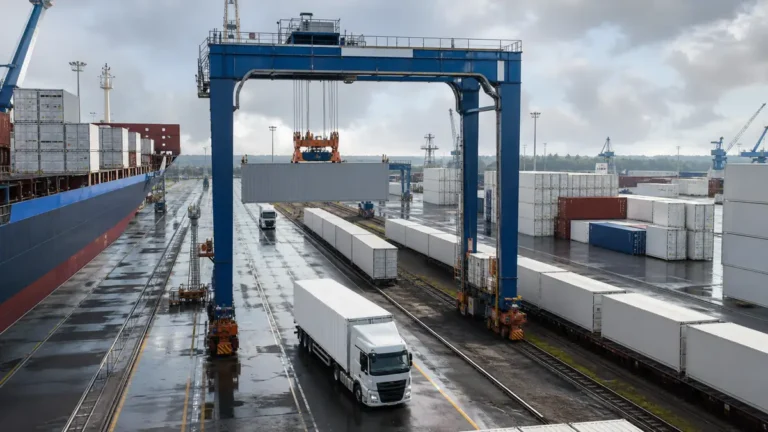
Mediterranean Shipping Company (MSC) is revising the freight rates applicable to containerised cargo moving from South Asian ports to destinations across Europe.
What the Tariff Update Entails
The adjustment applies to the full spectrum of dry and reefer containers booked on the carrier’s services linking South Asia, including major hubs such as Nhava Sheva, Mundra, Colombo and Karachi, with European gateways in the Mediterranean, North Continent and Baltic ranges.

- Origin region: South Asia (India, Sri Lanka, Pakistan, Bangladesh, and adjacent nations)
- Destination region: Europe (Mediterranean, North West Continent, Baltic, and Scandinavian ports)
- Carrier: MSC (Mediterranean Shipping Company)
- Equipment types: standard dry containers, high-cube boxes, and refrigerated (reefer) units
- Publication channel: official MSC tariff pages and local agency circulars
Market Context and Trade Flow Implications
South Asia–Europe is a high-volume artery for apparel, home textiles, engineering goods, and agricultural products. Rate revisions on this corridor ripple through supply chains, altering landed costs for European importers and margin calculations for South Asian exporters. Carriers typically adjust tariffs in response to fuel price movements, seasonal demand swings, and slot utilisation levels on their strings.
MSC, as the world’s largest container line by operated capacity, sets a pricing benchmark that competing alliances often shadow. Even a modest per‑TEU change can translate into millions of dollars in freight spend for large beneficial cargo owners. Forwarders handling consolidated shipments will need to rework their buy rates to maintain competitive door‑to‑door offerings.
While the exact quantum of the adjustment has not been disclosed in the initial announcement, industry participants anticipate details to materialise in the carrier’s electronic tariff system and through routine customer advisories.
| Aspect | Details |
|---|---|
| Carrier | MSC (Mediterranean Shipping Company) |
| Trade lane | South Asia → Europe |
| Equipment scope | Dry, high‑cube, and reefer containers |
| Effective date | To be confirmed via MSC tariff publication |
| Rate direction | Not specified; market observers await full schedule |
Shippers can expect further details when MSC publishes the complete tariff schedule on its digital platform. Industry associations are likely to monitor the adjustments for any ripple effects across other major trade corridors served by the carrier.
Why This Matters
Rate changes on the South Asia-Europe corridor signal shifts in supply-demand dynamics that influence sourcing decisions and landed costs. For importers and exporters, even small per-box adjustments can accumulate into significant freight budget variances, making early awareness critical for contract negotiations and logistics planning.
FAQ
Who is affected by the new freight rates?
Exporters and importers moving containerised goods between South Asia and Europe, along with freight forwarders and consolidators who manage consolidated loads, will need to account for the revised tariffs in their pricing and logistics planning.
What trade lanes are covered by the announcement?
The rate revision applies to all standard container types carried from South Asian ports—such as those in India, Sri Lanka, Pakistan, and Bangladesh—to destinations across Europe, including Mediterranean, North Continent, and Baltic ports.
When will the new rates take effect?
MSC’s initial advisory did not specify an exact implementation date. The effective date and the detailed tariff levels will be published in the carrier’s official electronic tariff system and communicated through local agency notices.
Why is this rate adjustment significant for the industry?
As the largest container line by capacity, MSC often sets a pricing benchmark that influences competitor strategies. Changes on this high-volume trade lane can reshape freight budgets, impact landed costs, and signal shifts in market conditions such as demand and fuel prices.
Sources
- MSC (msc.com)
Source: Maritime Gateway