
Shipping from China to Switzerland — City Guides, Customs and Transit Times
China → Switzerland · clearance by Federal Office for Customs and Border Security (BAZG)
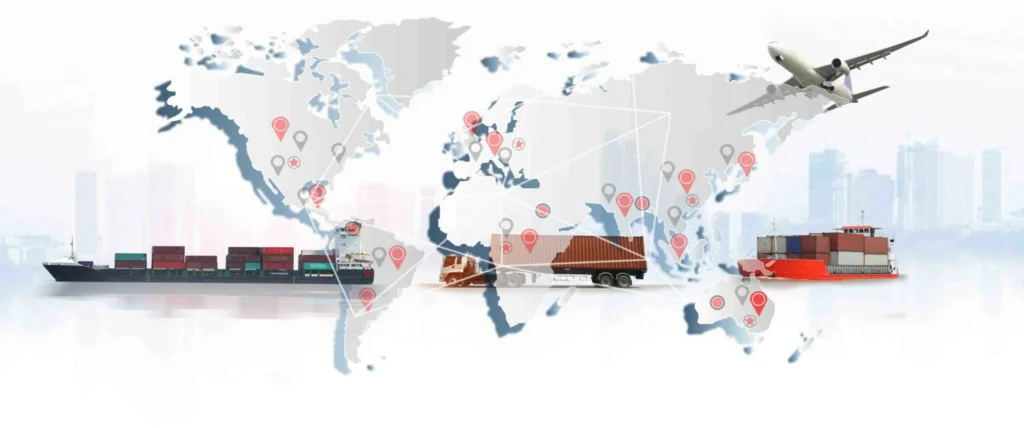
Switzerland is served through No seaport — via Rotterdam, Antwerp or Genoa, then rail or Rhine barge to Basel, and it is served through ZRH air / Basel rail. That combination is what actually sets your delivery date on this lane — the inland leg is same-day, so the clearance date is effectively the delivery date.
On the destination side, Federal Office for Customs and Border Security (BAZG) handles clearance; budget 2–5 days of dwell before the cargo is released.
How this lane actually runs
Switzerland charges customs duty by gross weight, not customs value — so heavy packaging directly increases duty on low-value goods, and light high-value goods are treated generously. It is also outside the EU customs union, so cargo arriving through Rotterdam or Genoa clears a second time at the Swiss border. VAT at 8.1% is among the lowest in Europe.
| Air gateways used | ZRH (Zurich), GVA (Geneva), BSL (Basel) |
|---|---|
| Air transit, China to gateway | 4–6 business days |
| Sea gateways used | No seaport — via Rotterdam, Antwerp or Genoa, then rail or Rhine barge to Basel |
| Sea transit, China to gateway | 30–40 calendar days via a continental port |
| Gateway serving Switzerland | ZRH air / Basel rail |
| Inland leg to Switzerland | Same day from the gateway |
| Typical clearance / dwell | 2–5 days |
| Peak season to plan around | Sep–Nov |
Delivery cities in Switzerland
Principal delivery points: Zurich, Geneva, Basel, Bern, Lausanne, Lugano, St. Gallen. Pick a city for the gateway it uses and the inland leg beyond clearance.
What you will pay on arrival in Switzerland
Federal Office for Customs and Border Security (BAZG) assesses duty and tax on cargo arriving for Switzerland consignees. Current regime: VAT 8.1%; customs duty is assessed on gross weight rather than value, which is unusual and changes how packaging affects cost, with a de-minimis position of Duty and VAT waived when the total tax due is under CHF 5.
Conformity is the part most first-time importers underestimate: CE marking generally accepted; Swiss labelling rules for consumer products. Getting this wrong is expensive because it usually cannot be fixed after the cargo has landed.
Restrictions and known friction points for Switzerland: Weight-based duty means excess packaging is a direct cost. A separate Swiss clearance is required even for goods transiting the EU. Some agricultural and food products face high protective rates.
Air, sea or overland into Switzerland?
| Mode | Transit to gateway | Best suited to |
|---|---|---|
| ✈️ Air Freight | 4–6 business days | time-critical, high-value and low-volume cargo |
| 🚢 Sea Freight | 30–40 calendar days via a continental port | volume cargo where cost per kilo matters more than speed |
Transit shown is China departure to the Switzerland gateway and excludes the same-day inland leg to Switzerland and 2–5 days of clearance.
Before you book: Switzerland checklist
- Photograph carton markings and seal numbers before departure — it makes any claim far easier to settle.
- Ask for the HS code in writing from your supplier and verify the Switzerland duty rate against it yourself.
- Put the Switzerland delivery address, contact name and phone number on the invoice, not just the packing list.
- Budget for the inland leg: same-day delivery beyond gateway clearance to reach Switzerland.
- Use ISPM-15 treated pallets. Untreated wood is the most common reason otherwise-clean cargo gets held.
- Declare lithium batteries, magnets, liquids and powders up front — retro-declaring after booking usually means re-planning the whole shipment.
Frequently asked questions
How long does shipping from China to Switzerland take?
China to the Switzerland gateway is 4–6 business days by air, 30–40 calendar days via a continental port by sea. On top of that, allow 2–5 days of clearance with Federal Office for Customs and Border Security (BAZG) and a same-day inland leg to Switzerland.
What duty and tax will I pay importing into Switzerland?
Federal Office for Customs and Border Security (BAZG) applies: VAT 8.1%; customs duty is assessed on gross weight rather than value, which is unusual and changes how packaging affects cost. The de-minimis position is Duty and VAT waived when the total tax due is under CHF 5. Under a DDP arrangement these are pre-paid, so nothing is collected on arrival in Switzerland.
What documents does Federal Office for Customs and Border Security (BAZG) require?
A commercial invoice with HS codes, a packing list, the bill of lading or air waybill, a certificate of origin where it lowers duty, and any product certification (CE marking generally accepted; Swiss labelling rules for consumer products). We prepare and file these as part of the service.
When is the busiest time on the China–Switzerland lane?
Space and rates tighten around Sep–Nov, plus the China-side windows of Chinese New Year in January or February and Golden Week in early October. Book one to two weeks earlier in those periods.
Can you ship batteries or sensitive cargo to Switzerland?
Yes. Battery cargo by air follows IATA PI 965–970 depending on how the cells are packed, and moves on certified channels via ZRH (Zurich), GVA (Geneva), BSL (Basel). Surcharges apply and the declaration has to be made before booking.
How is the chargeable weight calculated for Switzerland?
We compare actual gross weight against volumetric weight — length × width × height in centimetres divided by 6000 for air — and bill the greater of the two, rounded up to the next kilogram. Light, bulky cargo is almost always billed on volume.
References & official sources
Duty rates, thresholds and conformity requirements for Switzerland change by ministerial decision, sometimes mid-year. The figures on this page are buyer-planning references, not a customs ruling — confirm the current position for your own HS code with Federal Office for Customs and Border Security (BAZG) or your broker before you ship.
- Federal Office for Customs and Border Security (BAZG)
- Tares tariff database
- WTO — Tariff Profiles (applied MFN duty by country)
- IPPC — ISPM 15 wood packaging standard
- WCO — Harmonized System nomenclature
- IMO — IMDG Code for dangerous goods by sea
Page data last reviewed: July 2026.
Get a rate for Switzerland
This lane is quoted per shipment rather than from a published rate card, because the landed cost depends on the commodity, its density, the conformity requirements above and the delivery point. Send the cargo details and we will come back with a full DDP figure.