
Sea Freight from China to Lilongwe, Malawi — Transit, Duty and Clearance
China → Lilongwe · via LLW air / Beira transit · clearance by Malawi Revenue Authority — Customs and Excise Division
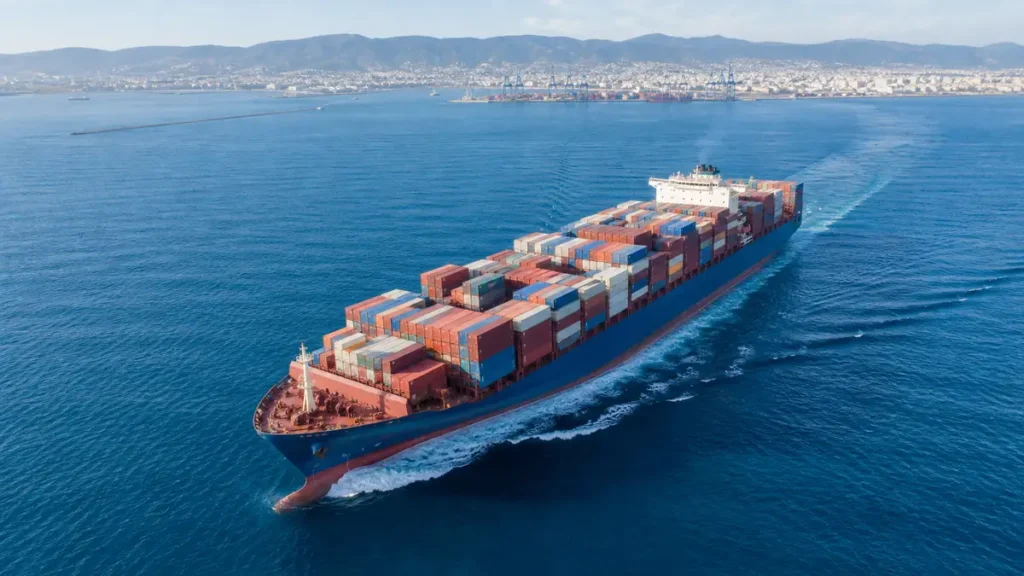
Freight from China into Lilongwe clears through LLW air / Beira transit. Lilongwe is capital and central distribution point, and allow +2 days for the inland leg on top of clearance.
The clearing authority is Malawi Revenue Authority — Customs and Excise Division. Historical dwell on this gateway is around 8–18 days, and it lengthens in Sep–Dec.
Routing and transit on this lane
Nacala is the shortest corridor to Malawi and has a rail connection, Beira is the traditional route, and Durban is the most reliable but by far the longest. Which one is cheapest changes with corridor conditions and rail availability, so it is worth quoting at least two options rather than defaulting to one.
| Sea gateways used | Landlocked — via Beira or Nacala (Mozambique), or Durban (South Africa) |
|---|---|
| Sea transit, China to gateway | 35–50 calendar days including the inland corridor |
| Gateway serving Lilongwe | LLW air / Beira transit |
| Inland leg to Lilongwe | +2 days from the gateway |
| Typical clearance / dwell | 8–18 days |
| Peak season to plan around | Sep–Dec |
What you will pay on arrival in Malawi
Imports into Malawi are cleared by Malawi Revenue Authority — Customs and Excise Division. The headline position is: VAT 16.5%; duty 0–25%, plus excise on selected goods. The de-minimis threshold is No practical de-minimis for commercial cargo.
Conformity is the part most first-time importers underestimate: Malawi Bureau of Standards conformity assessment for regulated goods. Getting this wrong is expensive because it usually cannot be fixed after the cargo has landed.
Restrictions and known friction points for Malawi: Corridor choice materially changes both cost and transit — confirm which one the quote assumes. Foreign-exchange shortages have periodically delayed duty settlement. MBS conformity applies to regulated goods.
Pre-shipment checklist for Lilongwe
- Check the de-minimis position (No practical de-minimis for commercial cargo) against your invoice value before you decide how to split the shipment.
- Use ISPM-15 treated pallets. Untreated wood is the most common reason otherwise-clean cargo gets held.
- Photograph carton markings and seal numbers before departure — it makes any claim far easier to settle.
- Get the conformity paperwork moving early: Malawi Bureau of Standards conformity assessment for regulated goods.
- Book earlier than the transit time suggests during Sep–Dec, when space on this lane tightens.
- Confirm the consignee in Lilongwe can act as importer of record — Malawi Revenue Authority — Customs and Excise Division will not release cargo to an unregistered party.
Frequently asked questions
How long does shipping from China to Lilongwe take?
China to the Malawi gateway is 35–50 calendar days including the inland corridor. On top of that, allow 8–18 days of clearance with Malawi Revenue Authority — Customs and Excise Division and a +2 days inland leg to Lilongwe.
What duty and tax will I pay importing into Lilongwe?
Malawi Revenue Authority — Customs and Excise Division applies: VAT 16.5%; duty 0–25%, plus excise on selected goods. The de-minimis position is No practical de-minimis for commercial cargo. Under a DDP arrangement these are pre-paid, so nothing is collected on arrival in Lilongwe.
Can you ship batteries or sensitive cargo to Lilongwe?
Yes. Battery cargo by sea moves under UN3480/UN3481 with an MSDS, and the dangerous-goods documentation is prepared as part of the booking into Landlocked — via Beira or Nacala (Mozambique), or Durban (South Africa). Surcharges apply and space is more limited than for general cargo.
Which port or airport does cargo for Lilongwe clear through?
Cargo for Lilongwe is routed via LLW air / Beira transit. Sea gateways for Malawi are Landlocked — via Beira or Nacala (Mozambique), or Durban (South Africa); air gateways are LLW (Lilongwe), BLZ (Blantyre). We pick whichever gives the shortest total door time for your address.
What documents does Malawi Revenue Authority — Customs and Excise Division require?
A commercial invoice with HS codes, a packing list, the bill of lading or air waybill, a certificate of origin where it lowers duty, and any product certification (Malawi Bureau of Standards conformity assessment for regulated goods). We prepare and file these as part of the service.
How is the chargeable weight calculated for Lilongwe?
We compare actual gross weight against volumetric weight — length × width × height in centimetres divided by 6000 for air — and bill the greater of the two, rounded up to the next kilogram. Light, bulky cargo is almost always billed on volume.
Other delivery cities in Malawi
References & official sources
Duty rates, thresholds and conformity requirements for Malawi change by ministerial decision, sometimes mid-year. The figures on this page are buyer-planning references, not a customs ruling — confirm the current position for your own HS code with Malawi Revenue Authority — Customs and Excise Division or your broker before you ship.
- Malawi Revenue Authority
- WTO — Tariff Profiles (applied MFN duty by country)
- ICC — Incoterms 2020 rules (DDP, DAP, FOB definitions)
- IPPC — ISPM 15 wood packaging standard
- WCO — Harmonized System nomenclature
- IMO — IMDG Code for dangerous goods by sea
Page data last reviewed: July 2026.
Get a rate for Lilongwe
This lane is quoted per shipment rather than from a published rate card, because the landed cost depends on the commodity, its density, the conformity requirements above and the delivery point. Send the cargo details and we will come back with a full DDP figure.